EU AI Act Deadlines Now Hit Rental Chatbots and Check-In Tools

The European Union's Artificial Intelligence Act is no longer a future problem for tourism operators. Rules banning the riskiest uses of AI have applied since February 2, 2025, and the next major compliance deadline, covering high-risk systems, lands on August 2, 2026. Property managers running AI chatbots, automated pricing tools or biometric check-in kiosks are already inside the law's scope, whether they have mapped it or not.
The Compliance Calendar Now Running
The regulation entered into force on August 1, 2024, but it phases in obligations rather than switching them all on at once. Practices the law bans outright, including certain biometric categorization and manipulative AI techniques, became illegal from February 2, 2025. Duties for providers of general-purpose AI models started August 2, 2025. The bulk of the obligations for so-called high-risk systems, the category most likely to catch tourism-sector tools, arrive August 2, 2026, with some already-deployed systems given until 2027 to fall in line.
Where Rental Tech Meets the Rulebook
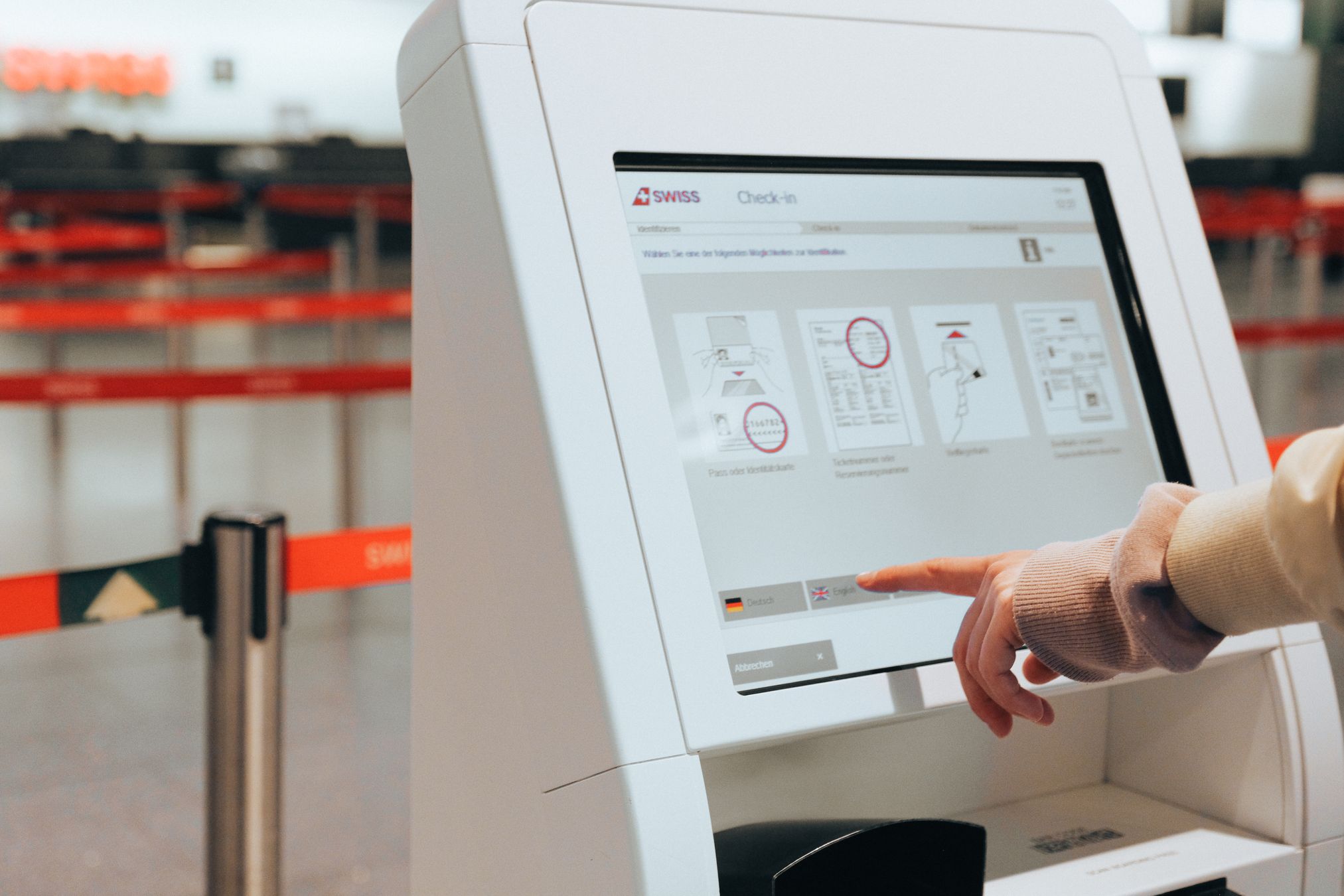
Guest-facing chatbots used for check-in instructions or customer service fall under a transparency duty: guests must be told they are dealing with AI, unless it would already be obvious from context. Facial recognition or other biometric verification used for keyless entry and identity checks sits closer to the high-risk tier, which brings documentation, human-oversight and risk-assessment requirements rather than an outright ban. Automated dynamic pricing itself isn't singled out by the Act, but lawyers advising the sector note that any tool profiling individual guests to set personalized prices can still draw scrutiny under separate EU consumer and data protection rules running alongside it.
Penalties and Who Enforces Them
Fines follow a tiered structure similar to the GDPR's. Breaching a banned practice can cost up to €35 million or 7% of global annual turnover, whichever is higher. Other violations top out at €15 million or 3% of turnover, and supplying incorrect information to regulators can cost up to €7.5 million or 1%. Enforcement runs through national market surveillance authorities, several of which, including Spain's, are still finalizing how that oversight will work in practice.
For property managers, the practical task is an inventory: list every AI tool touching a guest journey, from messaging assistants to check-in kiosks to pricing engines, and work out which risk tier each one falls into before the 2026 deadline. Waiting for a fine to arrive is the expensive way to find out.
Newsletter