Italy's Electricity Spike Piles Pressure on Rental Hosts

Italian electricity prices climbed 73.3% in September 2026 compared with the average for 2025, and stood 271.1% above pre-pandemic levels, according to an analysis by Confcommercio, the retail and tourism trade association, produced with the economic research group Centro Europa Ricerche. Tourism was flagged as one of the sectors most exposed to the increase, alongside other energy-intensive service industries.
What the price jump means for a rental operator's utility bill
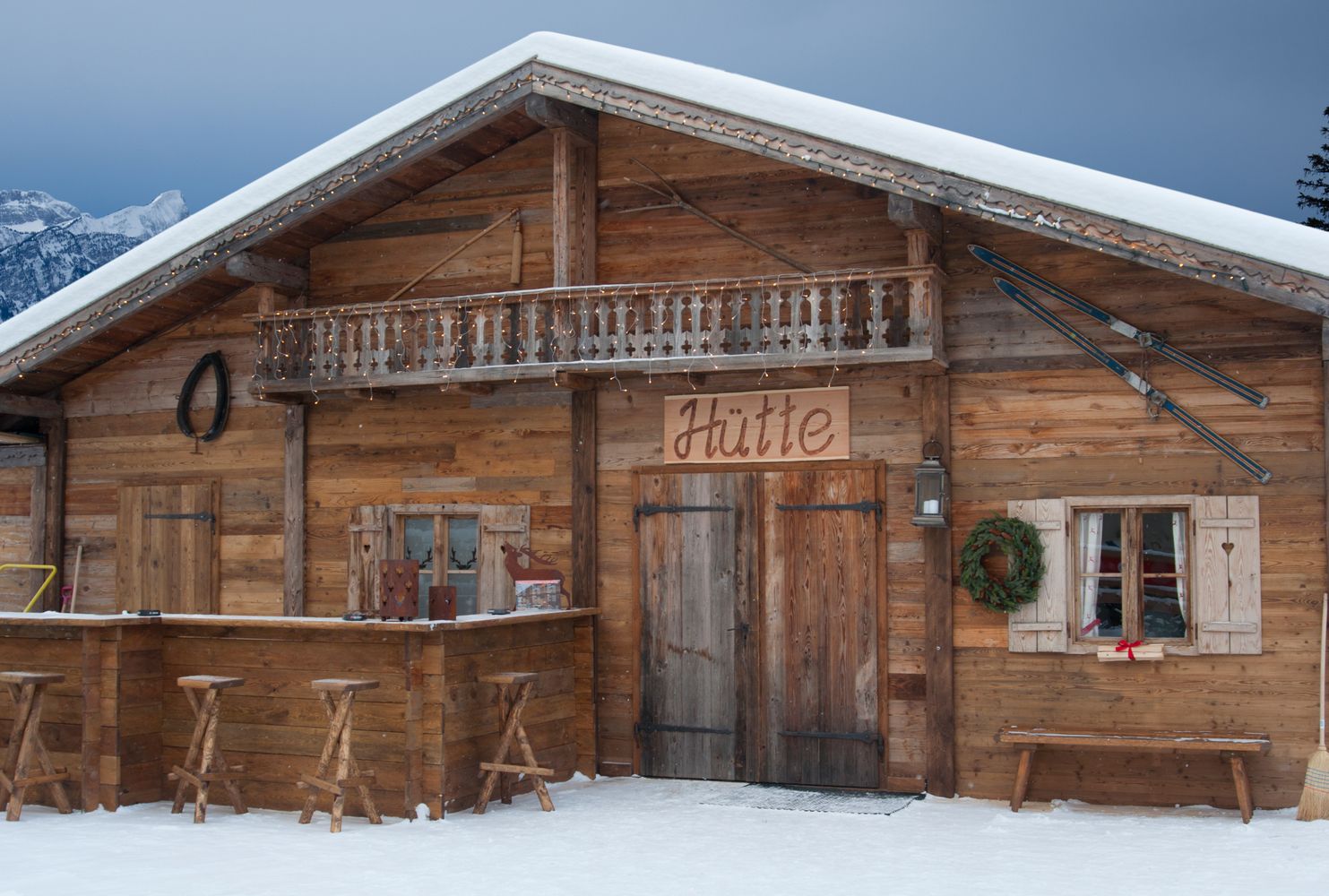
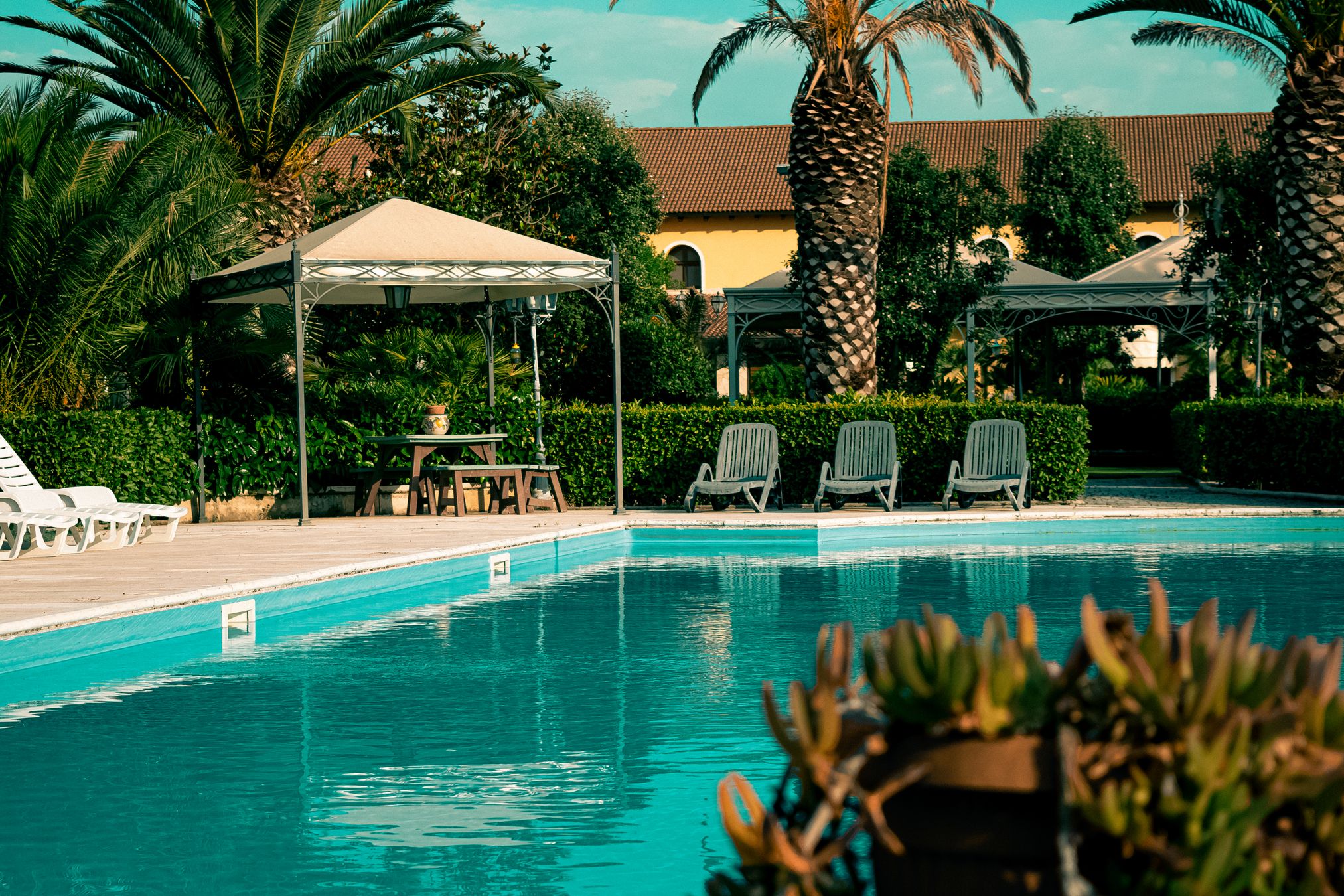
The figure at issue is the Prezzo Unico Nazionale, Italy's wholesale reference price for electricity, which feeds directly into the variable-rate contracts many small hosts and property managers are still on. A villa with a pool pump running through a Tuscan summer, or an Alpine chalet holding indoor temperatures through a winter break week, carries a different cost profile than a hotel room on a shared building system. For an operator running five or ten units without a fixed-rate energy contract, a 73% year-on-year jump in the reference price shows up fast in September and October bills, right as many properties are closing out their peak season and tallying margins.
Why seasonal and amenity-heavy listings carry more exposure
Hotels can spread energy costs across occupied and vacant rooms on a single meter and a single supplier contract, often negotiated at scale. Independent short-term rental operators in Italy typically hold separate utility accounts per property, frequently on standard residential tariffs rather than commercial rates negotiated for volume. Properties marketed on climate control, hot tubs, saunas or heated pools face the sharpest increase in running costs relative to revenue, and those are exactly the amenities that let hosts charge premium nightly rates in the first place.
What operators are likely to do about it
The near-term options are familiar ones: shop for a fixed-rate energy contract before winter pricing resets again, audit which amenities are actually driving bookings versus simply running up the bill, and reconsider whether service fees or cleaning fees need to absorb some of the increase rather than the nightly rate alone. Confcommercio's analysis does not detail any government relief package specific to tourism, and none has been announced. Operators budgeting for 2027 should treat energy as a line item that moved structurally higher, not a one-season spike likely to reverse on its own.
Newsletter