German Portal Study Flags Old-Town Demand, Skips the Numbers

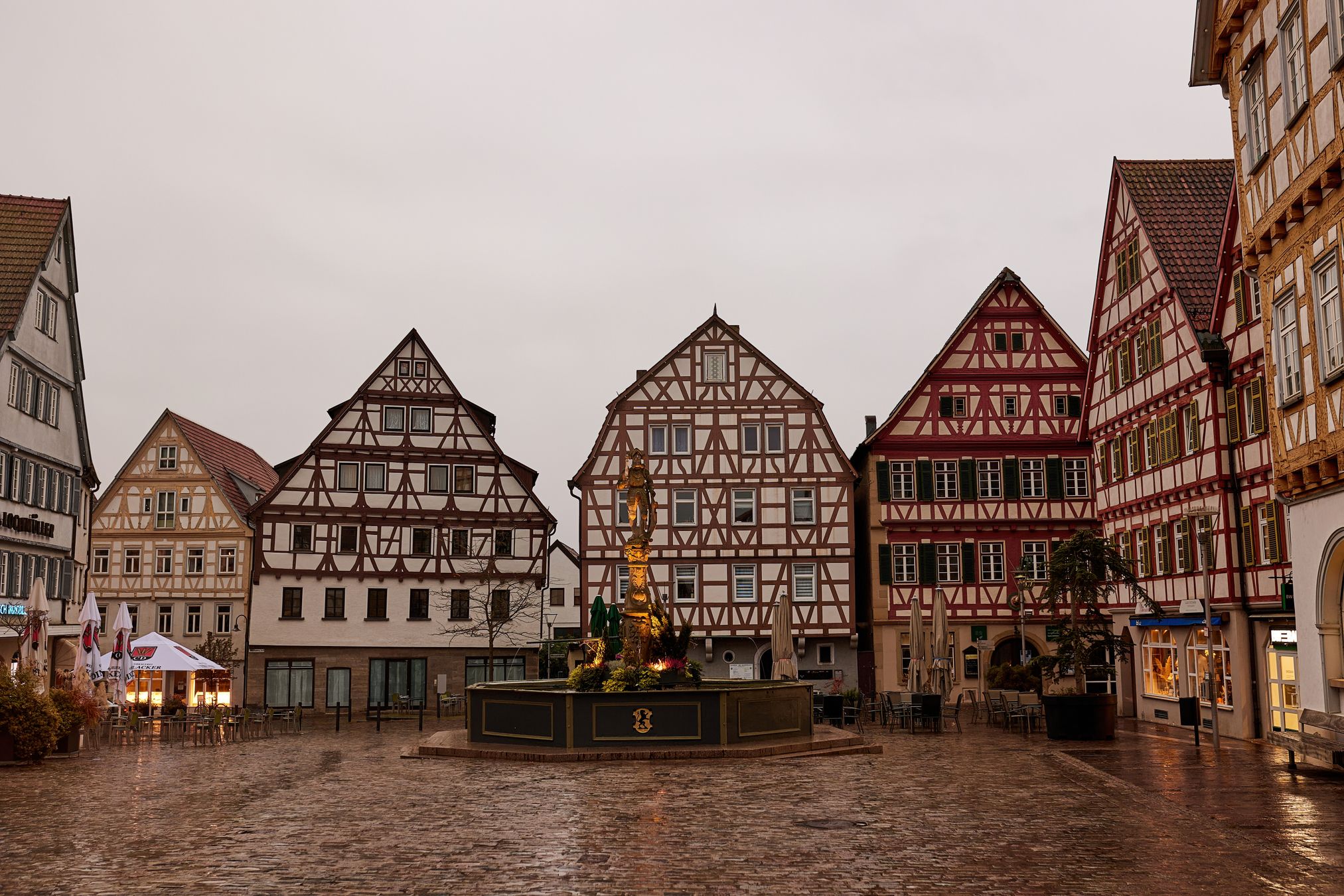
Ferienwohnungen.de, one of Germany's longer-running vacation rental portals, has published a ranking of the country's most popular historic old towns for short-term rental stays. The platform says the list is drawn from its own booking and search activity, but it has not released the underlying figures, so operators outside the named towns have no way to benchmark their own performance against the claim.
What the study actually says
The portal's own reporting describes a ranking of Altstadt districts, the historic cores that anchor tourism in dozens of German cities and towns, based on which ones generate the most interest from renters browsing its listings. No independent body has verified the methodology, and the platform has not disclosed sample size, date range, or how it separated its own site traffic from broader demand trends. That matters because Ferienwohnungen.de is a mid-sized player next to Airbnb, Booking.com and Vrbo in the German market, and a ranking built from one platform's internal data does not necessarily describe demand across the sector.
Why historic centers carry extra weight for hosts
Old-town addresses already come with baggage that a plain apartment on the edge of town does not. Heritage protection rules in many German municipalities restrict what can be altered inside listed buildings, and several cities, including Munich and Berlin, already require hosts to register short-term rental units and cap the number of days a home can be let without a change-of-use permit. A demand ranking that draws more attention to specific old towns is also likely to draw more attention from local housing offices already under pressure to police short-term letting in dense historic districts.
Operators running listings in a recognizable Altstadt should expect two things from a story like this: more competing supply chasing the same guest searches, and more scrutiny from officials who read the same trade coverage that hosts do. Neither is guaranteed by a single portal's ranking, but both are the practical risk when a market segment gets publicly flagged as popular.
What operators should actually check
The safer move is to verify local rules directly with the municipality rather than treat a demand ranking as a green light to add inventory. Registration requirements, annual letting-day caps, and heritage-building restrictions vary by city and are not covered by any portal's marketing material. Hosts already operating in a well-known old town should also treat rising search interest as a pricing signal to test, not a guarantee, given that Ferienwohnungen.de has not shown its work.
Newsletter