Wisconsin Farmer's Airbnb Trailer Now Beats Her Farm Income

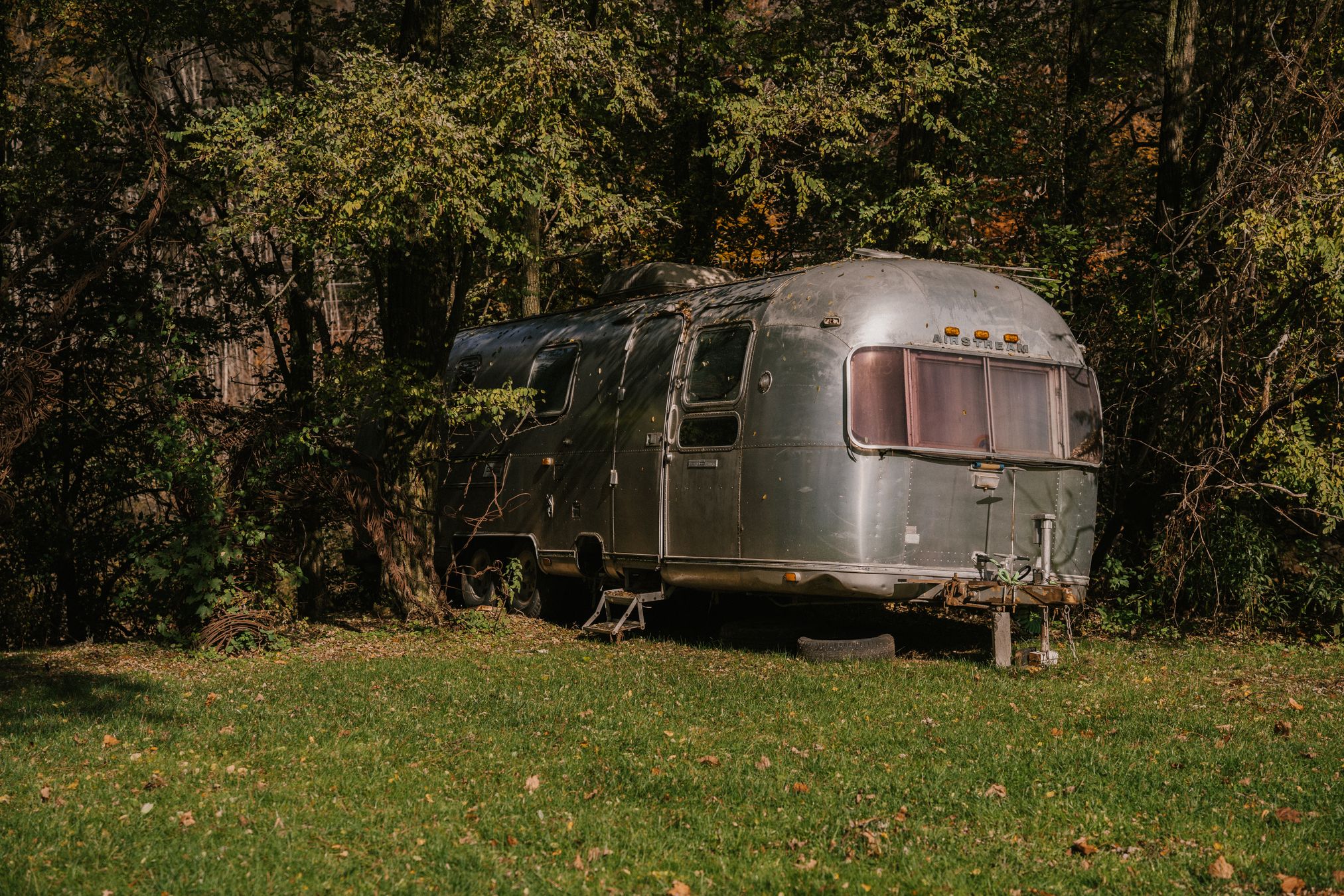
A Wisconsin farmer named Brit Thompson restored a vintage Airstream trailer and listed it on Airbnb, and now says the single trailer brings in more income than the working farm she runs alongside it. No audited figures back the claim beyond what Thompson has said publicly, but the comparison points to a pattern showing up on farms well beyond hers: a parked, well-photographed trailer can out-earn acres of crops or livestock, at least on a per-hour-of-labor basis.
A parked trailer versus row crops
Farming income moves with weather, input costs and commodity prices that a single operator cannot control. A restored trailer parked in a field controls for almost none of that. Once it is furnished, photographed and listed, its main variables are occupancy and nightly rate, both of which respond to marketing and pricing decisions rather than a growing season. For a small or mid-size operation where row crops or dairy margins run thin most years, a nightly rental asset that needs no fertilizer, no fuel and no weather insurance can look like the more reliable line on the balance sheet, even if it will never scale the way the farm itself might.
Why farms keep adding rentals instead of acres
Thompson's Airstream fits a broader trend of farm operators adding lodging, from converted grain bins to cabins to glamping platforms, as a hedge against commodity swings. The appeal is straightforward: the farm already owns the land, the view and often the story that makes a listing sell itself, so the marginal cost of adding one guest-ready unit is far lower than it would be for someone starting from scratch. It also means income lands on a nightly cycle instead of an annual harvest, which is a meaningful change for cash flow on operations that otherwise wait months between paychecks.
The zoning question that farm hosts skip
None of that removes the paperwork. Short-term rentals on agricultural-zoned land carry their own restrictions in many Wisconsin counties, and rules on accessory structures, septic capacity and county registration vary by jurisdiction rather than following a single statewide standard. A trailer that reads as a low-cost, low-risk addition to a farm can still trip a zoning violation if the parcel is not classified for lodging use, or if the county caps the number of rental nights on ag land. Operators eyeing a similar setup would do well to check with their county planning office before they list, not after a neighbor complains.
What Thompson's case actually demonstrates is narrower than it might sound: one host, one trailer, one Airbnb listing outperforming one farm's income in one telling. It is not evidence that lodging beats farming as a business model, and it says nothing about occupancy through a Wisconsin winter, when a single-unit trailer likely sits empty for months. But it is one more data point for operators weighing whether an idle outbuilding, a spare paddock or, in this case, a restored piece of vintage travel history might do more for the books parked than it ever did in motion.
Newsletter