Calvià Steers €17 Million Tourist Tax Into Magaluf Overhaul

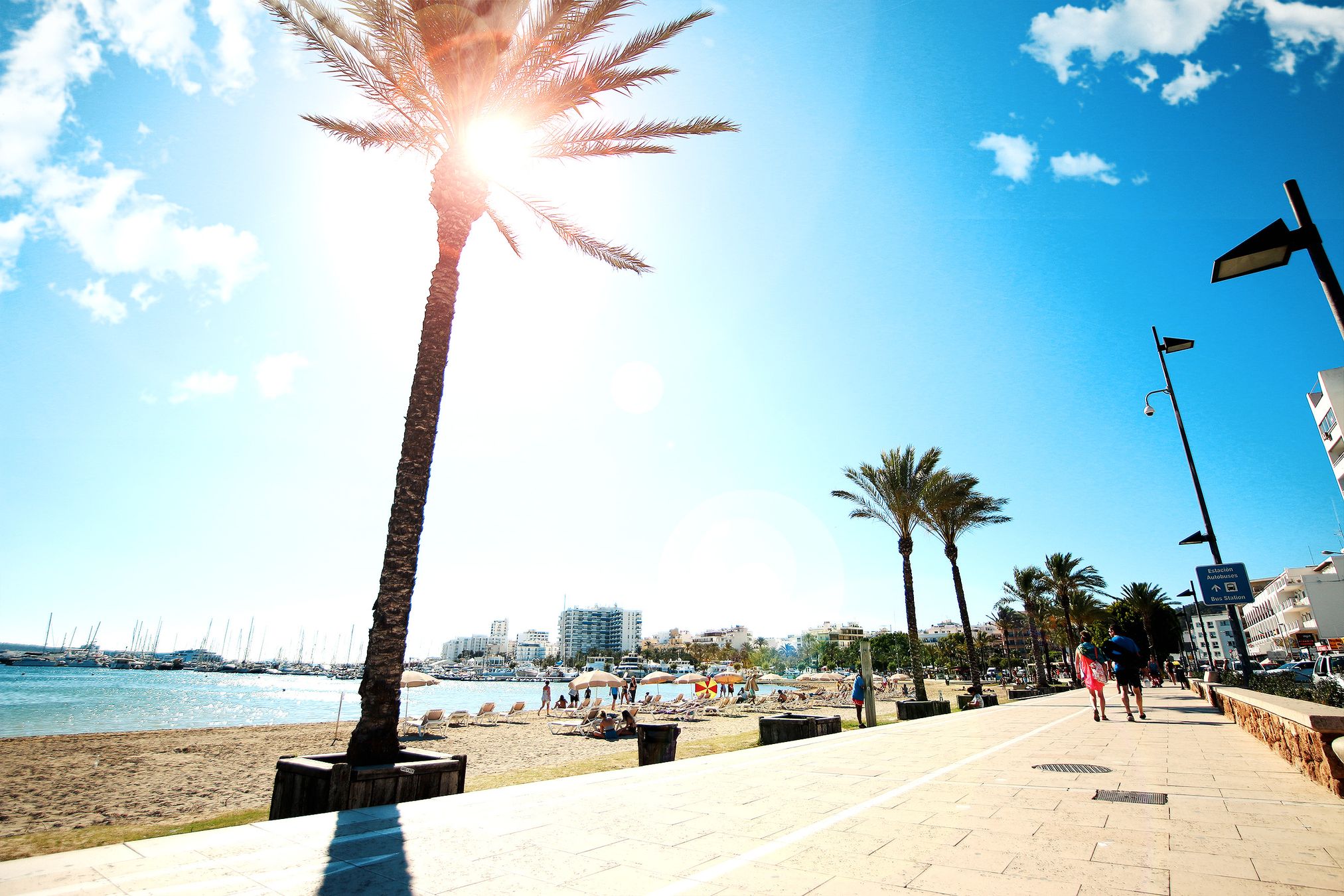
Calvià town hall says it will receive close to €17 million from the Balearic Islands' Sustainable Tourism Tax this cycle, the largest single allocation the municipality has drawn from the levy, and will put it toward rebuilding Magaluf's aging infrastructure and repositioning the resort for a different kind of visitor.
What the money is actually for
The Balearic tourist tax, known locally as the ITS, is charged per overnight stay across hotels, apartments and short-term rentals, with revenue legally ring-fenced for sustainability and infrastructure projects rather than general municipal spending. Calvià's town hall says this allocation will fund upgrades to public spaces, utilities and urban design in Magaluf specifically, the resort strip that has spent decades as shorthand for cheap package tourism and late-night disorder.
Local officials frame the spending as an attempt to make the destination both safer and more commercially competitive, aiming to draw a different mix of visitors and spending than the area has relied on for the past thirty years.
A resort with a reputation problem
Magaluf's image has been a target for Calvià policymakers for years, through measures like restrictions on alcohol promotions and organized pub crawls aimed at curbing the area's binge-tourism draw. Capital investment in the physical resort marks a shift from behavioral rules toward rebuilding the place itself, betting that better infrastructure will do more to change who visits than ordinances alone.
Why operators should track where ITS money lands
Every guest booked into a licensed short-term rental in the Balearics already pays the ITS, and hosts are the ones collecting and remitting it. A visible, well-funded project like this gives regional authorities a concrete example to point to when defending the tax's value, or when arguing for extending it further, which matters to any operator in Mallorca watching whether rates or scope could expand. It also signals that Calvià intends to keep pushing Magaluf's rental and hospitality mix upmarket, a trend that has already meant tighter scrutiny of unlicensed units and could tighten further as the repositioning effort gains funding and political attention.
Operators running licensed properties in or near Magaluf have a direct stake in whether the promised upgrades materialize on the timeline the town hall describes. Infrastructure spending of this scale, if delivered, tends to move demand and nightly rates before it moves a neighborhood's reputation, and Calvià is betting on exactly that sequence.
Newsletter