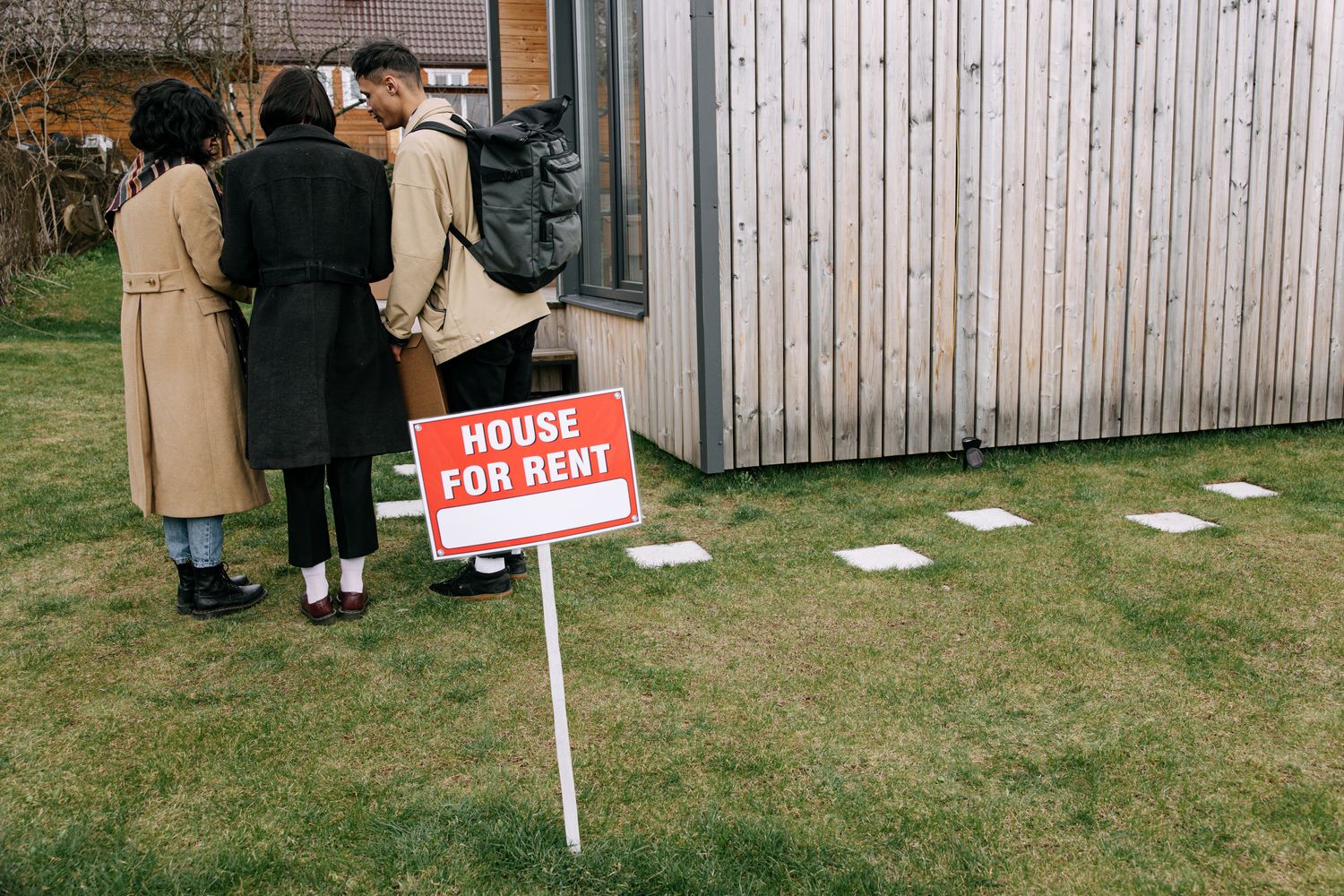
Airbnb Puts $250 Million Into Housing, Not Host Relief

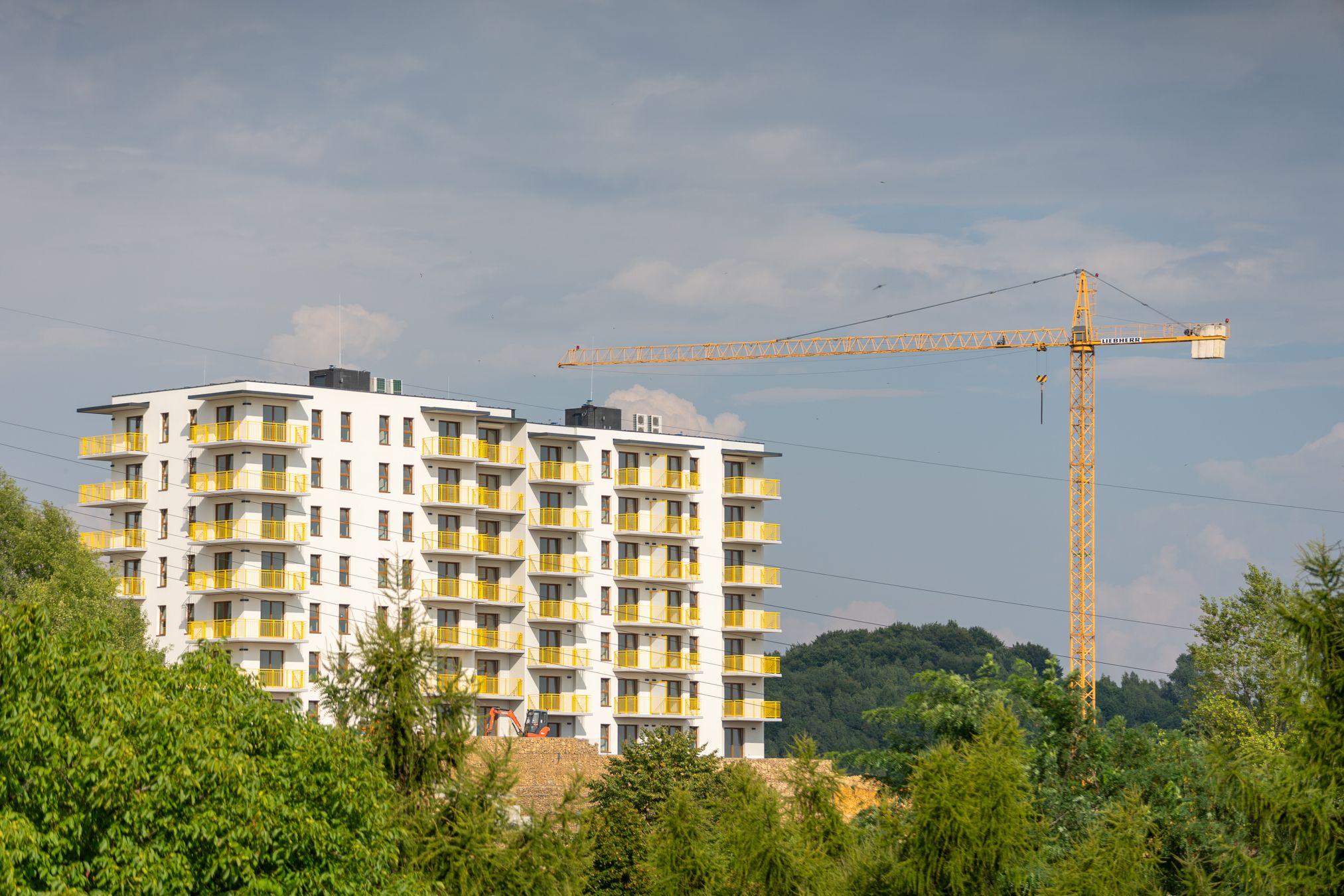
Airbnb has announced a $250 million commitment to a new program the company is calling a housing accelerator, intended to back projects that add housing supply in markets where the company operates. The money is not going toward host tools, fee reductions or compliance support. It is going toward housing production, a category Airbnb increasingly wants to be seen funding rather than merely operating alongside.
What the commitment actually covers
Airbnb has not published a detailed breakdown of how the $250 million will be allocated, which projects will qualify, or over what period the spending will occur. The company describes the initiative as an accelerator for housing supply, language that suggests grants, partnerships or seed funding for developers and nonprofits rather than direct construction. Until Airbnb names specific recipients and terms, the figure is a spending commitment, not a completed program with results to measure.
Why Airbnb is framing this as a housing fix
The announcement lands as Airbnb continues to face housing-shortage arguments in city halls and in Brussels. The European Commission has floated a legal shield for city-level short-term rental restrictions tied explicitly to housing affordability, and EU member states face a 2026 deadline for host registration rules built around the same concern. Positioning itself as a funder of housing supply gives Airbnb a counter-narrative to the claim that short-term rentals remove units from long-term housing stock, a claim that has driven caps and outright bans in cities from Barcelona to New York.
What this changes for hosts running listings today
Nothing changes operationally. No fee waiver, no compliance grant, no new host-facing product comes attached to this commitment. Hosts still absorb whatever registration costs, tourist taxes and listing caps their city imposes, and this program does not touch any of that. For operators watching Airbnb's public messaging as a proxy for where the company's priorities sit, the signal is that supply-side politics currently outrank host-facing investment. Airbnb's own disclosures in recent earnings calls have leaned toward advertising and paid placement as growth levers, not toward reducing what hosts pay to operate on the platform.
The company says the accelerator reflects a broader commitment to housing affordability in the communities where it operates. That is a claim, not an audited outcome, and the industry will not have a way to check it until Airbnb names the first projects it funds.
Newsletter