Balearics Holds Firm on Rental Caps, Chases Higher Spend

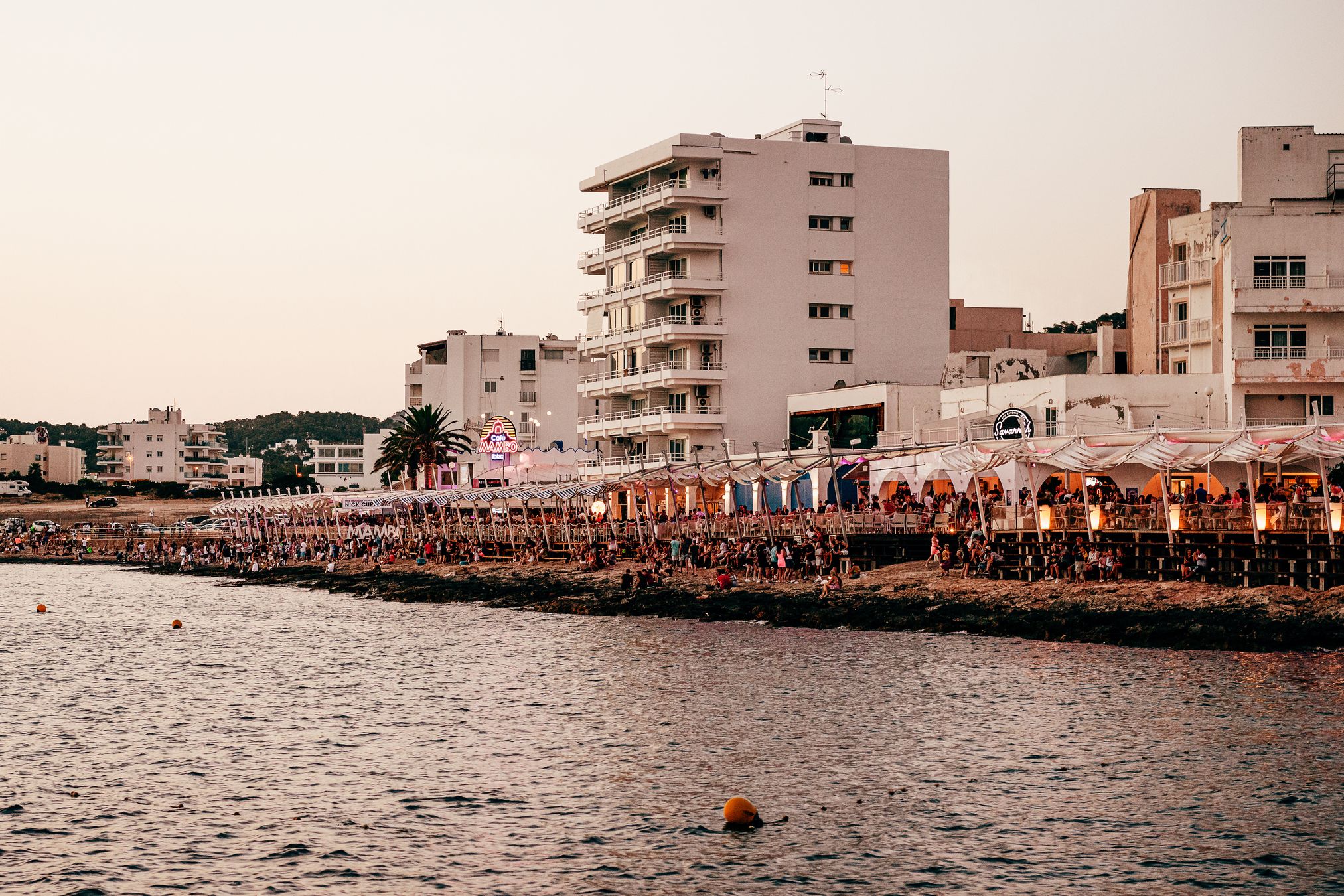
Marga Prohens, president of the Balearic Islands, told delegates at World Travel Market in London on Tuesday that the archipelago has stopped trying to grow visitor numbers and will instead squeeze more revenue out of the tourists it already gets. Her message to operators and investors: the region's existing caps on tourist accommodation, including short-term rental licenses, are not going away, and the sustainable tourism tax will keep doing the work of filtering for higher-spending guests.
A cap that predates this government but suits its politics
The Balearics have operated under some version of an accommodation ceiling since 2017, when regional law tied new tourist beds, whether in hotels or rental apartments, to the retirement of an equivalent number elsewhere. Palma de Mallorca went further in 2018, banning new licenses for whole-apartment rentals within the city entirely. Prohens, in office since mid-2023 with the Partido Popular, inherited that framework rather than inventing it. What she is doing at WTM is repackaging a supply freeze as a growth strategy: if the number of legal beds cannot rise, the only lever left is the price and length of stay per booking.
For hosts, this is not news so much as confirmation. Anyone holding a valid tourist rental license in Mallorca, Ibiza, Menorca or Formentera should not expect the regional government to open a new licensing round any time soon. Anyone without one, hoping the political winds might shift toward easier entry, now has a clear answer from the top of the regional government: they won't.
The tourist tax keeps climbing
The other plank of the strategy is the Impuesto de Turismo Sostenible, the per-night tourist tax the Balearics introduced in 2016 and have revised upward several times since, most recently for 2024, with higher charges in peak season and for higher-category accommodation. The government has consistently framed the increases as a way to nudge the market toward longer, higher-spending stays rather than high-volume, low-margin bookings, and uses the revenue to fund infrastructure and environmental projects. Operators managing higher-tier rentals, particularly in Ibiza and southern Mallorca, have absorbed these increases into nightly rates for several seasons now; Prohens's comments suggest there is no ceiling in sight on that trend either.
Scarcity value for existing license holders
The practical effect of holding the line on new supply is to keep existing licenses valuable. With no fresh licensing rounds and a one-for-one retirement rule still in force, a transferable tourist rental license in Mallorca or Ibiza functions as a scarce asset, and resale prices for licensed properties have reflected that scarcity for years. Property managers operating in the islands should expect that dynamic to persist rather than ease, which is good news for anyone already compliant and a closed door for anyone planning to enter the market through a new application.
It also raises the stakes on enforcement. If the regional government is betting its tourism model on a capped, premium supply of licensed beds, unlicensed listings become more politically awkward, not less. Palma's town hall and the island councils of Mallorca, Ibiza and Menorca have all run periodic crackdowns on illegal rentals advertised through Airbnb and Booking.com in recent years; a government publicly staking its strategy on scarcity has every incentive to keep that pressure up.
What other saturated destinations will be watching
The Balearics are often cited as a test case for whether a destination can cap visitor numbers and still grow tourism revenue, a question now being asked in Barcelona, Venice and parts of the Canary Islands as each wrestles with its own housing and overtourism pressures. Prohens used the London platform to claim the islands are proving the model works, though the figures she cited at the fair were her own government's framing of its record rather than independently verified data on visitor spend per night. Operators should treat those claims as a political pitch to international buyers and investors, not as an audited result.
What to watch next
The real test comes with the 2026 tourist season and whatever revisions, if any, the Balearic government makes to the accommodation ceiling law before then. Any move to extend the cap further, adjust the one-for-one retirement ratio, or raise the sustainable tourism tax again would land directly on rental operators' cost base and license values. So far, Prohens has signaled continuity rather than change, which for hosts already compliant in the islands is probably the least disruptive outcome available.
Newsletter