Airbnb Guest Accuses Host of Faking Toilet Damage With AI

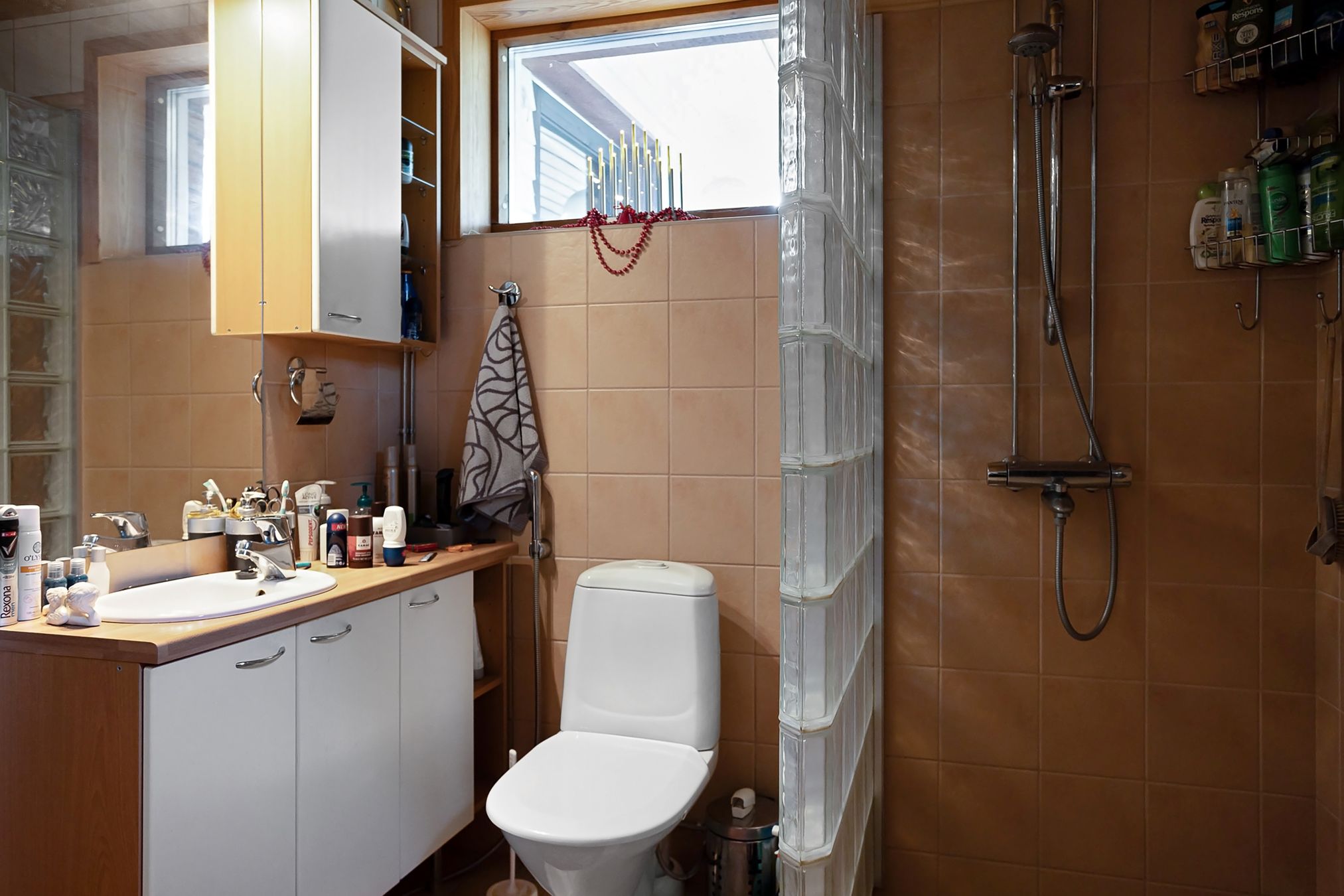
An Airbnb guest in Australia says a host tried to charge them for a blocked toilet using a photo the guest believes was generated by artificial intelligence rather than taken in the property. The guest flagged inconsistencies in the image and pushed back on the claim, reviving a question that has been building for a year across the industry: can a platform trust a photo at all once anyone can fabricate one in seconds.
What the guest says happened
According to the guest's account, the host filed for compensation after checkout, attaching an image purporting to show a clogged toilet bowl as proof of damage. The guest disputed the claim, arguing the photo did not match the bathroom they had used and showed the kind of visual artifacts - odd reflections, warped tile grout, inconsistent lighting - that have become a tell for AI-generated images. Airbnb has not publicly detailed how it resolved the specific claim, and the host has not been named or offered a public response.
Whether the image was genuinely AI-generated or simply a bad photo remains, strictly speaking, an allegation rather than a proven fact. But the dispute lands at a moment when free and low-cost image generators can produce a convincing bathroom fixture, a stained mattress or a cracked television screen that would pass casual inspection, and that alone is enough to worry operators who rely on photo evidence to get paid for real damage.
How damage claims are supposed to work
Airbnb's standard process for property damage runs through its AirCover for Hosts coverage, which asks hosts to document damage with photos, receipts or repair estimates and submit the claim within a set window after checkout, typically 14 days. Guests are given a chance to respond before Airbnb's support team makes a call, and large or contested claims can be pushed to arbitration under Airbnb's terms of service. The system was built on the assumption that a photo is reasonably hard to fake convincingly. That assumption no longer holds the way it did even two years ago.
Vrbo and Booking.com run comparable damage-deposit and host-guarantee schemes with similar evidentiary requirements - photos, timestamps, sometimes a signed condition report at check-in. None of the major platforms has published a specific protocol for detecting AI-generated images submitted as evidence, and none has said publicly whether it now screens claim photos for signs of synthetic generation.
Why a convincing fake is hard to catch
Modern image generators can now render plausible plumbing fixtures, stains and cracked surfaces with enough photographic noise and lighting variation to defeat a quick glance. Telltale signs still exist for a trained eye - mismatched grout lines, shadows that fall the wrong way, reflections that don't match the room - but relying on a support agent to spot those in a routine claims queue is not a reliable control. Metadata can help: a genuine photo typically carries a timestamp and device signature, while an AI-generated file often lacks that trail or carries inconsistent file properties. Few platforms currently require guests or hosts to submit unedited originals with metadata intact, which leaves a gap that goes well beyond this one case.
What it means for hosts and guests now
For hosts, the lesson is blunt: submitting a fabricated or doctored image with a damage claim is fraud under every major platform's terms, and it risks account suspension, clawback of past payouts and, in principle, referral to law enforcement if a guest formally complains. It is a reputational risk that outweighs almost any plausible payout, particularly for professional managers running multiple listings under one account. The safer path, as always, is a timestamped video walkthrough at turnover and photos taken on a device that preserves location and time data, which gives a claim far more weight if it is ever challenged.
For guests, the practical takeaway is to push back in writing, ask the platform explicitly whether the submitted image's metadata has been checked, and request a human review rather than accepting an automated determination. Screenshotting the listing and the check-in condition on arrival remains the cheapest insurance against a disputed claim either way.
What comes next
None of the major platforms has announced a formal policy change in response to this case or the broader pattern of AI-faked evidence showing up in disputes. Expect that to change if the volume of contested claims grows: a platform that cannot assure hosts their damage claims will be honored, or assure guests they won't be billed for AI-generated damage, risks losing trust on both sides of the marketplace at once. Watch for any platform to start requiring original, metadata-intact files for damage claims above a certain dollar threshold, the way insurers increasingly do for high-value property claims.
Newsletter