Host Accused of Faking Toilet Damage Photo for $1,500 Payout

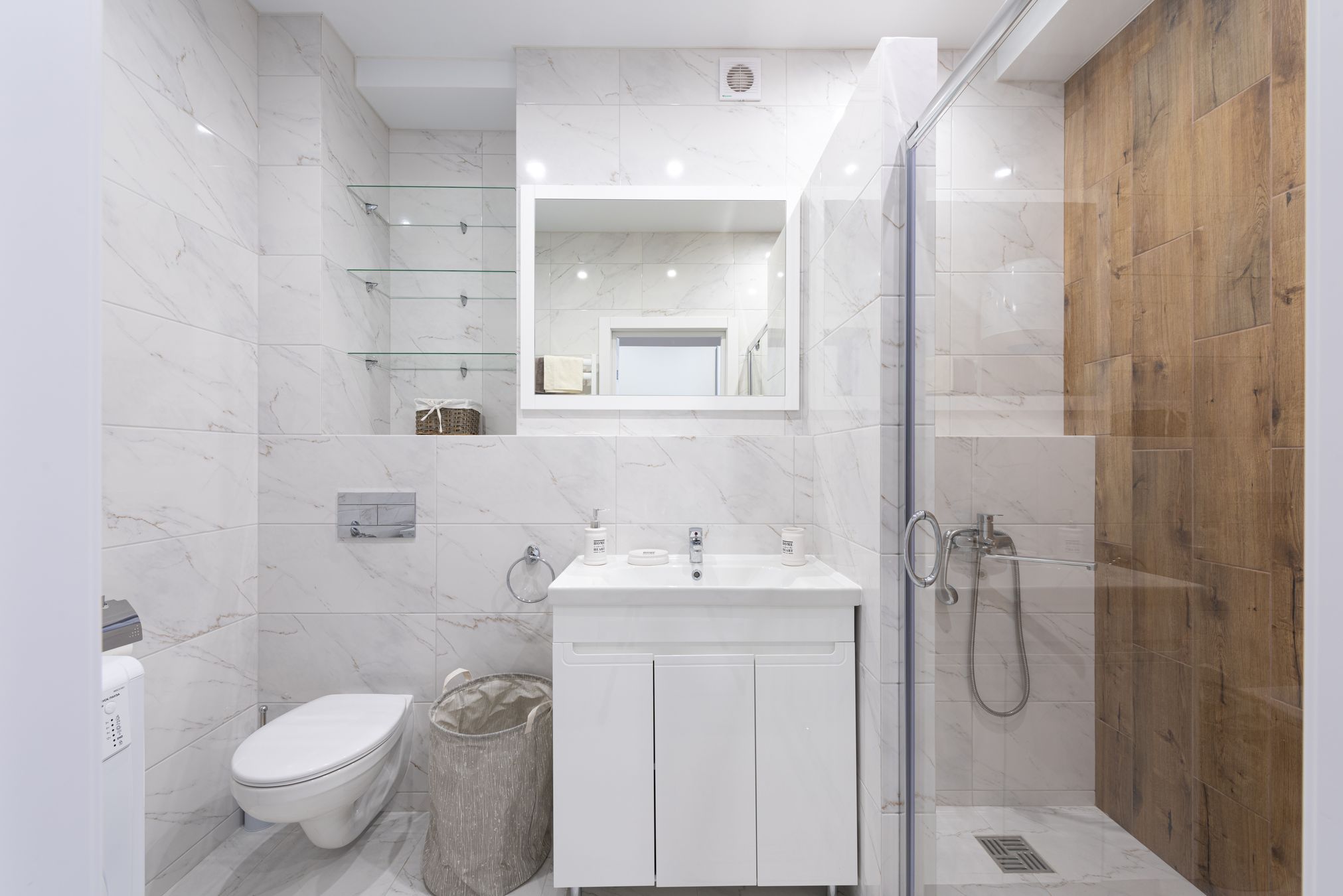
A guest staying at an Airbnb property says the host filed a $1,500 damage claim backed by a photo of a blocked toilet that had been altered using AI image tools, according to an account that circulated widely online this week. The guest disputes causing any damage and argues the image shows signs of digital manipulation rather than an actual plumbing failure.
Airbnb has not confirmed the outcome of the specific claim publicly, and the host has not been named. But the dispute has pulled a narrower industry problem into view: as AI photo editing tools become trivial to use, the photographic evidence that underpins the platform's damage resolution process is getting harder to trust at a glance.
What the guest says happened
According to the account, the host sought $1,500 through Airbnb's Resolution Center, attaching a photo purporting to show a toilet blocked and damaged during the guest's stay. The guest says the image had telltale artifacts consistent with AI generation or heavy editing, including inconsistencies in lighting and texture that do not match ordinary phone photography. The guest has pushed back on the claim and raised the dispute publicly rather than settle quietly, which is how the case became visible beyond Airbnb's own case files.
None of this has been independently verified by a court, regulator or forensic examiner. What exists so far is one guest's allegation, a disputed image and a platform dispute process that, by design, happens largely out of public view.
How Airbnb's damage claims process actually works
Airbnb's Resolution Center lets hosts submit damage claims with photo evidence, repair estimates or receipts, and guests can accept, negotiate or dispute the amount. If no agreement is reached, Airbnb can step in to decide, drawing on whatever documentation both sides submitted. The system was built on the assumption that a photo is reasonably trustworthy evidence of a property's condition before and after a stay. That assumption is now under more pressure than it was even two years ago, when phone cameras were the main source of dispute evidence and convincing edits required real skill.
Airbnb does run fraud detection on claims and has said it takes manipulated evidence seriously when identified, but the company does not publish detection rates for altered images specifically, and there is no independent audit of how often doctored photos slip through versus get caught. That gap matters more now than it did before consumer-grade AI editing tools made convincing fakes cheap to produce.
Why this is a bigger problem than one disputed toilet
The tools that can smooth out a listing photo can just as easily fabricate stains, cracks or water damage that never existed, and the reverse is also true: a guest accused of damage can use the same tools to argue, credibly or not, that any photo against them was faked. Both directions erode the thing the whole claims system depends on, which is that a photo means what it appears to show.
This outlet has previously covered the flip side of the same technology, where hosts who AI-polish their own listing photos risk guests claiming the unit did not match what was shown, triggering refund disputes rather than damage claims. The common thread is the same: platforms built dispute resolution around photographic evidence at a moment when that evidence is becoming easier to fake and harder to verify at speed.
What hosts and property managers should do now
Operators filing damage claims should expect more scrutiny of photo evidence going forward, not less, and should build habits that hold up regardless of what Airbnb decides on any single case. Time-stamped photos taken on a phone with location and metadata intact are harder to dispute than images pulled from a camera roll with no verifiable origin. Pairing photos with a dated maintenance log, a plumber's invoice, or a video walkthrough taken at check-in and checkout gives a claim a paper trail an edited still image cannot match on its own.
Property managers running multiple units should also treat this as a prompt to tighten check-in and checkout documentation across the portfolio rather than wait for a dispute to force the issue. A consistent photo and video record at turnover protects hosts against false damage denials just as much as it protects guests against inflated claims, and it gives Airbnb's Resolution Center something sturdier to arbitrate than a single disputed image.
What to watch
Watch for whether Airbnb says anything concrete about tightening evidence standards for the Resolution Center, such as requiring metadata, timestamps or video alongside stills for claims above a certain dollar threshold. Watch too for whether other platforms, including Vrbo and Booking.com, face similar disputes as AI editing tools spread further into everyday phone camera apps. The underlying question is not whether one host faked one photo. It is whether photographic evidence can still do the job platforms have asked it to do for a decade, and what replaces it if it cannot.
Newsletter