World Cup Host Cities Added $276.7M in Rental Revenue

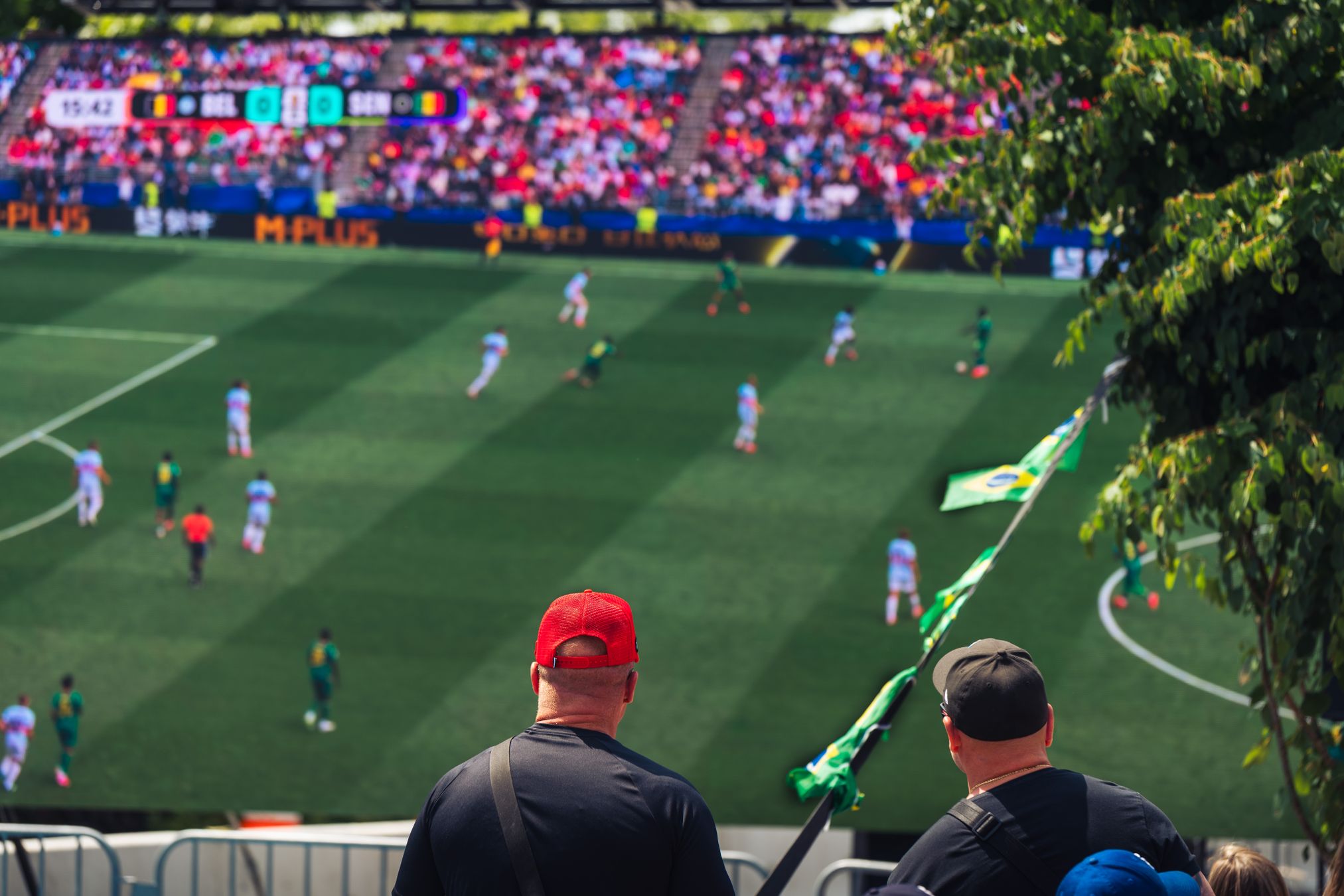
Short-term rental markets in World Cup 2026 host cities generated $276.7 million in additional revenue during the tournament, according to an industry recap of the event's impact on the sector. The gain came almost entirely from higher nightly rates rather than fuller calendars, because a wave of new listings and added inventory in host markets spread demand across more properties and kept occupancy from climbing as sharply as rates did.
Where the extra revenue actually came from
Operators in host cities across the US, Canada and Mexico raised average daily rates well above typical seasonal levels for the weeks surrounding matches, and that repricing did most of the work. Occupancy moved up too, but by a smaller margin than rate did, which is the pattern that shows up whenever a market absorbs a demand spike by adding supply instead of just filling existing beds. Hosts and managers who had listings live and priced aggressively ahead of match schedules captured a disproportionate share of the $276.7 million; those who left pricing on autopilot mostly rode the wave rather than steering it.
Why supply blunted the occupancy story
New listings coming onto host-city markets ahead of the tournament diluted the demand each individual property saw, even as total bookings and total revenue rose. That is a familiar mechanic around single-city mega-events, but the 2026 World Cup's format, spread across dozens of match dates and multiple countries, made it visible at a national scale rather than in one host city alone. Managers who treat major events as a pure occupancy play risk under-pricing; the money was in the rate line, not in squeezing out a few extra booked nights.
What this means for the next event calendar
The lesson for operators is less about the World Cup specifically and more about how to price around any large, dated demand shock: watch competitor supply as closely as competitor rates, because added inventory in your market will cap how much occupancy alone can deliver. The next global events on the calendar, from Olympic host cities to major festivals, will reward the same discipline. Recapping this tournament in isolation is less useful than treating it as a preview of how pricing strategy, not listing count, will decide who actually captures the windfall from the next one.
Newsletter