Home Football Weekends Can Make a Rental Owner's Year

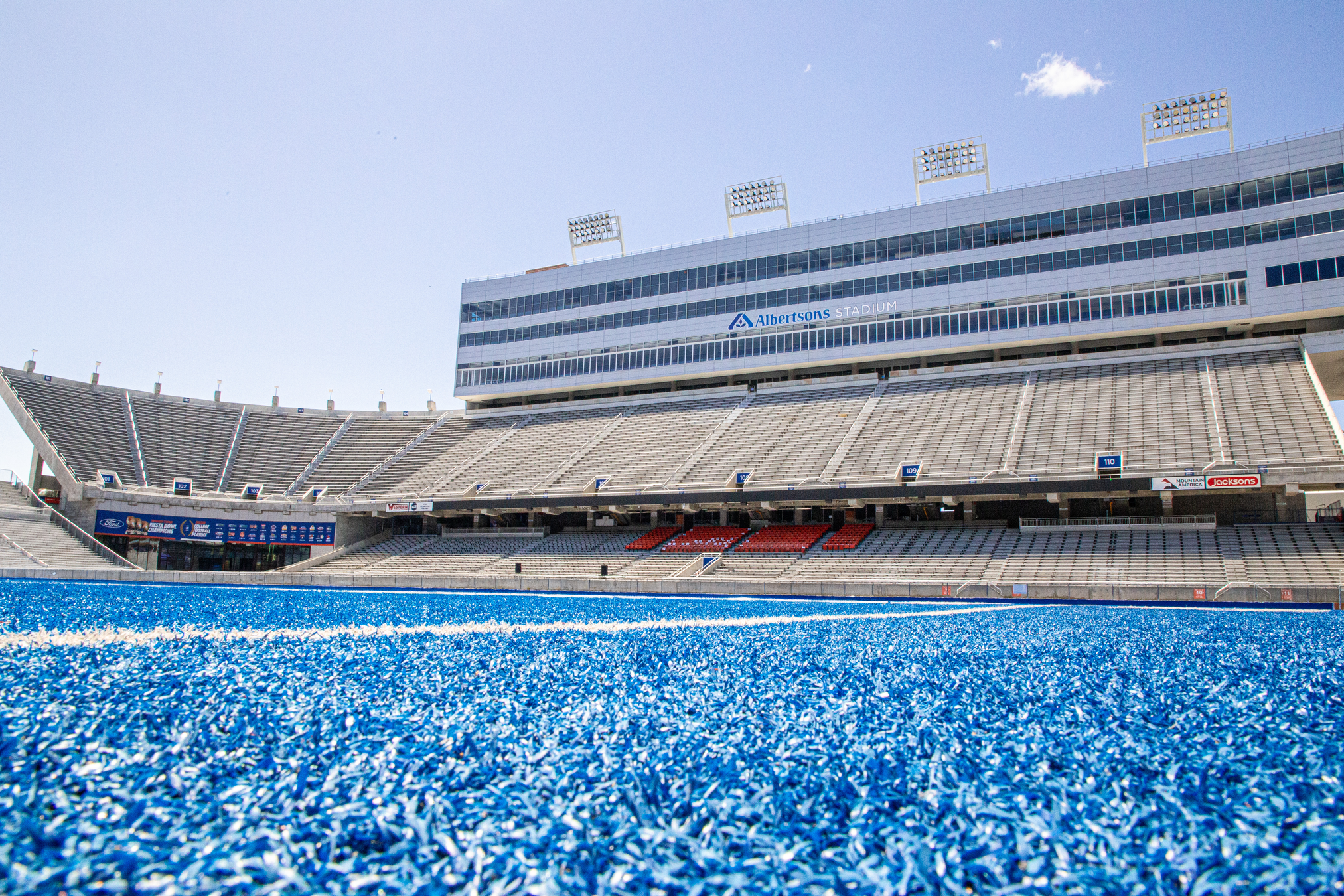
Short-term rental owners near college football stadiums are pulling in as much as 26% of their annual revenue during home game weekends alone, according to market data on smaller college towns. For an operator with a single property near campus, that means a handful of Saturdays each fall can outearn the other 46 weekends combined.
Why a Few Saturdays Carry the Year
College towns without a strong secondary tourism draw - no beach, no ski hill, no convention center - depend heavily on the football calendar to fill rooms. A market with six or seven home games a season effectively compresses its peak demand into roughly 15 nights. Everything else is shoulder season by comparison. That concentration is what allows a single weekend's rate to do the work of two or three normal weeks elsewhere.
The effect is sharpest in towns built around one program rather than a diversified visitor economy: a rental fifteen minutes from the stadium in a town of 30,000 people behaves nothing like a rental in a city with year-round conference and business travel. Demand there is binary - stadium weekend or nothing much - which is exactly why the swings show up so clearly in annual revenue splits.
What This Means for Pricing and Minimum Stays
Operators in these markets who still price manually are leaving money on the table on the nights that matter most. Home game weekends are the clearest case for dynamic pricing tools tied to a known, published event calendar: game dates are set a year in advance, ticket demand is public, and hotel blocks in these towns typically sell out weeks ahead. A two or three-night minimum stay tied to the game date, rather than a flat weekend minimum, captures Friday arrivals and Sunday-morning checkouts without turning away shorter high-value bookings.
Cancellation policy matters just as much as rate here. A ranked-opponent game or a late kickoff time announcement can shift demand within days of the event, and operators who allow free cancellation up to 48 hours out risk losing bookings they cannot refill on short notice once local hotel inventory is gone.
The Risk on the Other Side of the Ledger
A calendar this concentrated cuts both ways. A down season, a coaching change that dents attendance, or a schedule with fewer marquee home games can take a meaningful bite out of annual revenue for owners who built a pricing model around a strong prior year. Operators in single-team college markets should treat the home schedule as they would any other single point of revenue risk - worth planning around, not something to assume will repeat at the same strength every fall.
Newsletter