Málaga Hotel Group Fights New Three-Year Lodging Freeze

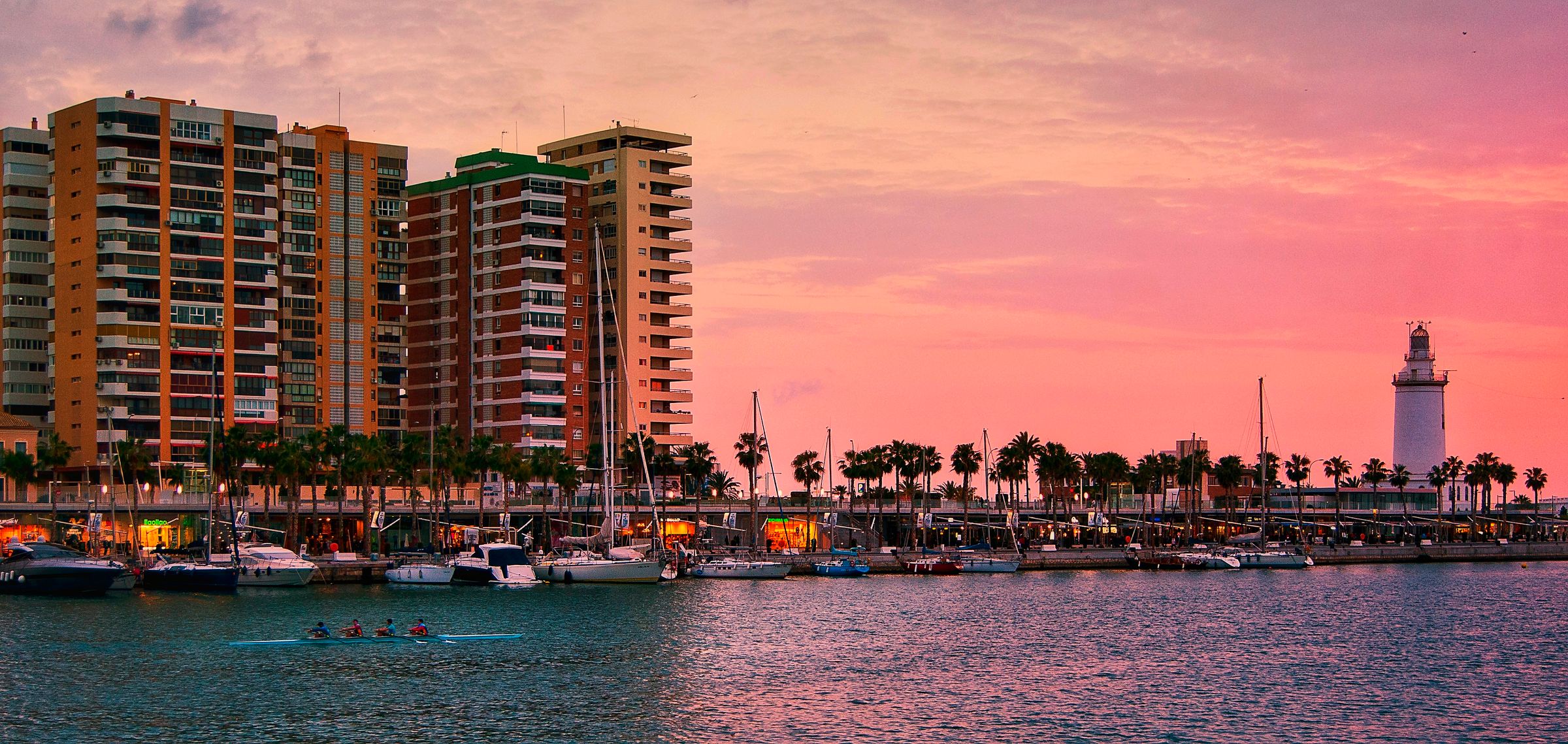
Málaga's city council has approved a three-year moratorium blocking new licenses for tourist accommodation establishments across the city, and the region's hotel employers are pushing back hard. The Costa del Sol Hotel Employers Association, known as Aehcos, has filed formal objections against the measure, arguing that freezing supply will not solve whatever problem prompted it and will instead cost the city investment it cannot easily replace.
What the freeze actually stops
The moratorium bars new tourist lodging establishments from opening in Málaga for three years. That covers new capacity generally, not just hotels, which means anyone hoping to bring a new licensed short-term rental property online in the city is shut out for the duration unless the measure is amended or overturned. Existing licensed operators keep operating as before; what changes is the pipeline behind them.
A freeze on new supply has a predictable first effect: it makes the licenses already in circulation more valuable. When a city stops issuing permits, the scarcity transfers into the price of existing licensed properties and businesses, because acquiring an operating license-holder becomes the only route into the market. For incumbent short-term rental operators in Málaga, that is a double-edged outcome: their own licensed units are worth more, but so is every competitor's, and the path to expansion now runs through buying existing stock rather than creating new.
Why the hotel lobby is objecting to a rule that also protects it
Aehcos's position is counterintuitive on its face: a moratorium on new competitors would normally suit incumbent hoteliers. Its objection is that blanket freezes tend to signal instability to developers and lenders rather than discipline, making Málaga a harder sell against rival Mediterranean destinations that keep permitting open. The association argues the city's actual problems - however they are defined in the council's justification - will still be there in three years, just with less capital committed to fixing them in the meantime.
There is a longer-term calculation behind the lobby's stance. Hotel groups plan in decades, not seasons, and a city that reaches for a three-year freeze once has shown it will do so again. For an operator weighing a major refurbishment or a new-build in Málaga versus a rival Costa del Sol town, the moratorium is less a one-off inconvenience than evidence of regulatory risk that has to be priced into every future decision. Aehcos is effectively arguing that the reputational cost of looking closed for business outweighs whatever short-term protection incumbents gain from frozen competition.
The housing backdrop
Supply freezes of this kind rarely appear in a vacuum. Across Spain's most-visited cities, councils have reached for moratoriums and license caps as tourist rentals have been blamed for tightening long-term housing and reshaping central neighborhoods, and Málaga has been one of the flashpoints in that debate. Whatever the council's stated justification, the measure sits inside a national argument about who gets to live in and profit from Spain's urban centers, which is why a local licensing decision draws objections from an industry body with regional reach.
What operators in Málaga should watch next
The objections now go into the council's review process, which can result in the moratorium being upheld unchanged, adjusted, or challenged further depending on how the city responds. Anyone with a pending or planned application for a new tourist accommodation license in Málaga should treat the freeze as active until formally reversed, and factor a multi-year gap into any expansion plans that depend on fresh licenses in the city rather than acquiring existing ones. The broader signal for operators across Spain is that the direction of travel in high-demand cities is toward constraint, and a business built on the assumption that new licenses will keep flowing is a business exposed to exactly the kind of decision Málaga just made.
Newsletter