Host-Funded Discounts Now Drive More Than 40% of Vrbo Bookings

Expedia Group beat its own guidance again, with bookings up around 12% for the quarter. For vacation rental owners the number worth writing down is narrower: supplier-funded promotions, the discounts paid out of the host''s own nightly rate, have moved from roughly a third of Vrbo bookings to more than 40% in a single quarter. Growth on the platform is increasingly growth the host is subsidising. Expedia Group publishes results and commentary through its investor relations pages.
What a supplier-funded promotion really is
The mechanics are simple and that is precisely why the cost is easy to miss. The platform displays a lower price, wins the click and the conversion, and the discount is deducted from what the owner receives. There is no invoice, no ad budget and no line item labelled marketing. The spend shows up as a slightly thinner payout, which is far less visible in monthly accounts than an advertising charge would be. A 12% promotion applied across a season is a 12% cut to gross rate on every booking it touches, and it compounds with commission.
Why the share is climbing
Once a meaningful share of inventory in a market is discounted, staying out becomes expensive. Sorted results reward the cheaper equivalent property, so a non-participating listing loses position to a neighbour running a promotion, and the rational individual response pushes the whole market into the same place. That is a classic race dynamic, and it explains how a category can jump seven or eight percentage points in three months without any single owner deciding that discounting is a good idea.
The number owners should calculate
The right test is not whether promoted bookings arrive. They do. The test is incrementality: how many of those reservations would have happened at full rate. A property already converting well in a supply-constrained week is likely discounting stays it would have sold anyway, which is pure margin loss. A shoulder-season midweek gap in an oversupplied market is a different case, where a discount that fills an otherwise empty night is straightforwardly worth it. Splitting promotions by season and by day of week, instead of running one blanket rate, is the single highest-value change most owners can make here.
How to run this properly
- Pull the last twelve months of bookings and separate promoted from non-promoted, then compare net revenue per available night rather than occupancy.
- Cap promotions to the specific dates you genuinely need to fill, and take them off peak weeks entirely.
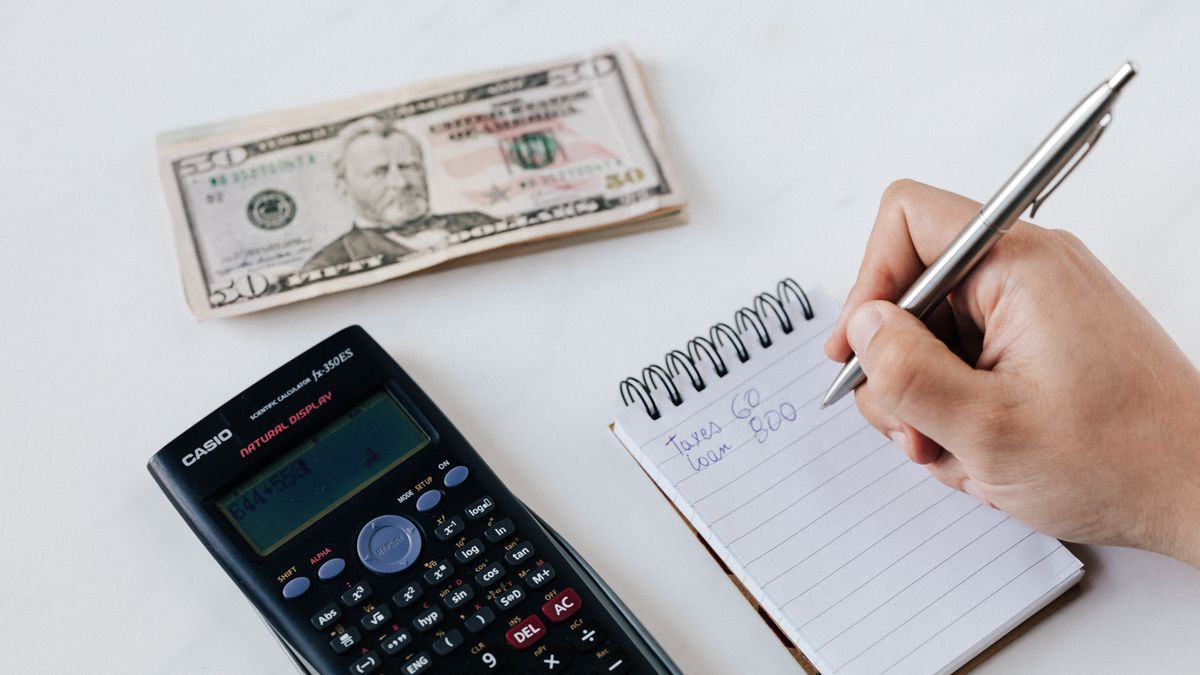
- Model commission and promotion together. A 15% commission plus a 12% discount is closer to a quarter of gross rate than either figure suggests alone.
- Raise the value of the channels where you keep the whole rate: repeat guests, direct enquiries and email.
The strategic point
A platform that can raise host-funded discounting from a third to 40% of bookings in one quarter has demonstrated pricing power over its supply, and there is little in the results to suggest the trend reverses on its own. Treating promotions as a tactical tool with a hard ceiling, reviewed each quarter against net yield, is a different posture from leaving them switched on permanently because visibility fell the last time they were paused. The current terms for promotions and fees are documented in the platform''s own partner materials, and they are worth checking before each renewal rather than after.
Newsletter