Airbnb's Boutique Hotel Rooms Are Reshaping Host Search Results

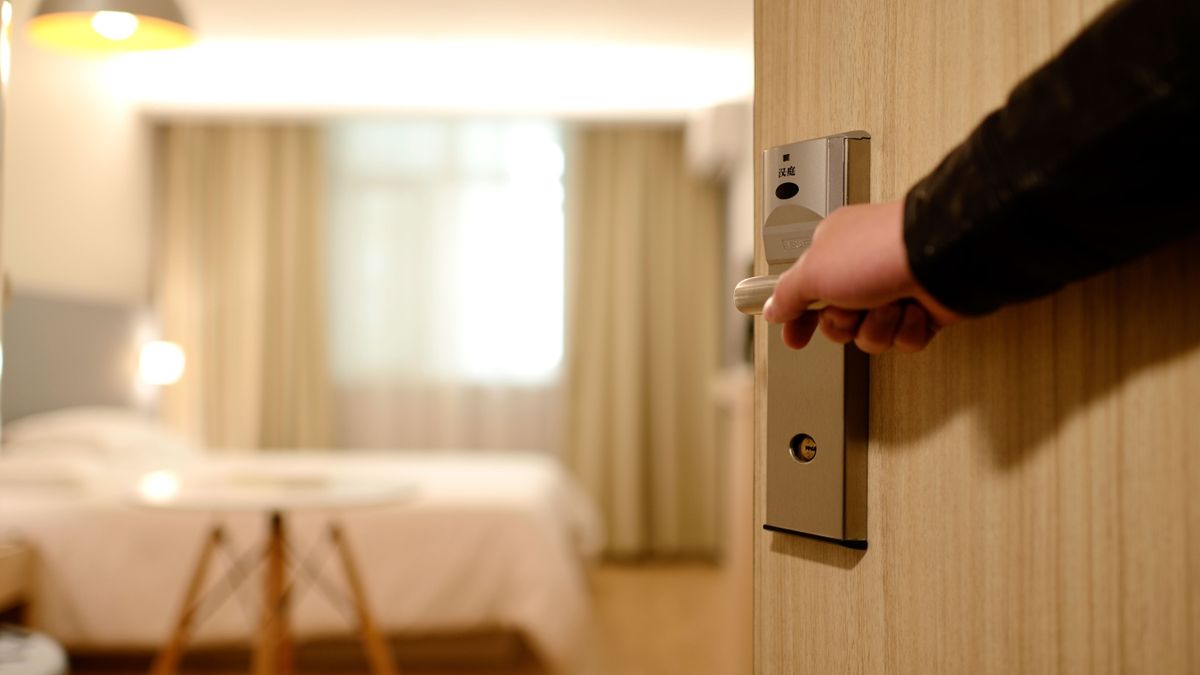
Airbnb's push into independent hotel inventory is no longer an experiment on the edge of the platform. After adding more than 75 Lark Hotels properties to its US search results, the company now has enough branded rooms in selected cities that hosts in those markets are competing for attention against inventory built to a hotel standard, not a home-sharing one.
Where the added rooms actually show up
Boutique hotel listings do not spread evenly across the map. They cluster in downtown cores, university towns and weekend-break destinations, which is exactly where host supply is tightest under licensing caps and where nightly rates are highest. The practical effect is uneven: an operator with a lakeside cabin sees nothing change, while a host with a two-bedroom apartment ten minutes from a boutique property in New England or the mid-Atlantic may notice a busier results grid on the dates that matter most. Hosts tracking their own impressions, rather than platform-wide commentary, are the ones best placed to tell which side of that line they sit on.
Why hotel inventory competes differently
A hotel room brings professional photography, staffed check-in, predictable cancellation terms and a review base built on volume. That combination reads as low-risk to a guest scanning a results page, and it competes hardest for exactly the traveller segment that hosts have won over the past decade: the short two- or three-night city stay. It competes far less effectively for groups, longer stays and anything that needs a kitchen. Hosts whose listings are functionally a hotel room with a lockbox are the most exposed to the shift, while those with genuine space, capacity or location advantages retain a clear differentiator that no distribution deal erases.
What hosts can control from here
The lever that moves is positioning rather than price. Listings that state capacity, layout and the reason a guest would choose a home over a room tend to hold conversion better than listings that quietly undercut a hotel by a few dollars a night, because a price war against professionally managed inventory is one hosts rarely win. The same logic applies to the paid layer arriving across the wider market: as sponsored placement becomes standard across booking platforms, visibility increasingly rewards operators who know which dates and which guest types they genuinely compete for.
Airbnb has not published how many hotel rooms it now distributes in the US, how the commercial terms compare with host commissions, or whether further groups will be added this year. Until it does, the only reliable read for hosts is their own listing data in their own market, checked against the weekends where the new supply is most likely to sit.
Newsletter