Upstate NY Town Rules 10-Bed RV Rental Is a Hotel

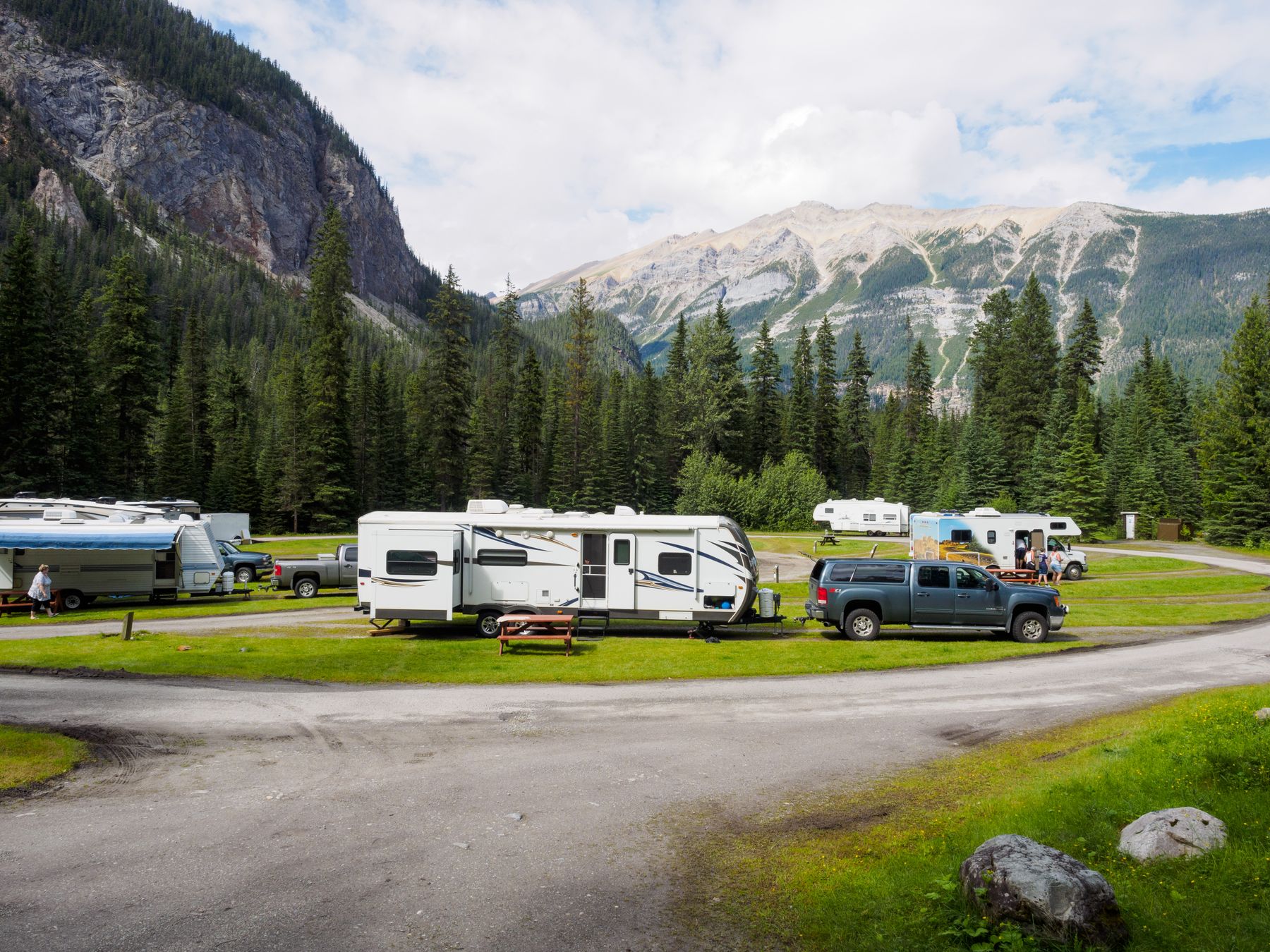
A zoning dispute in a small upstate New York town has produced a ruling with implications well beyond one property: officials there determined that a recreational vehicle set up as a short-term rental, with sleeping space for ten guests, meets the local definition of a hotel rather than a residential use. That classification matters because it triggers a different set of rules entirely - commercial permits, fire and life-safety inspections, and lodging taxes the operator had not been paying under a residential rental designation.
Why the bed count decided the case
Most local zoning codes do not have a category called \"short-term rental RV.\" They have a handful of buckets - single-family residential, transient lodging, hotel or motel - and a property gets sorted into one based on characteristics the code does specify, usually maximum occupancy or number of sleeping units. In this case, the town's code apparently draws its line below ten beds. Cross it, and a property stops being treated as a house someone happens to rent out and starts being treated as commercial lodging, with the accompanying obligations.
That is a lower bar than many operators assume. A single-family home rented to a large group is common enough that most towns have built specific short-term rental ordinances around it, usually capped at a guest count tied to bedrooms. An RV, camper conversion, or similar structure sitting on a residential lot doesn't fit that framework at all, so a zoning board reaching for the nearest applicable category can land on \"hotel\" by default rather than by design.
What it means for hosts running large or unconventional listings
Anyone operating a property that sleeps more guests than a typical single-family home, or that isn't a conventional house at all, should find the actual numeric threshold in the local zoning code rather than assuming a residential designation covers them automatically. Bunkhouses, converted barns, multi-unit compounds, tiny-home clusters, and RVs marketed as glamping stays all sit in the same gray area: they read as unusual to a code that was written with single-family homes and hotels in mind, and nothing else. A code enforcement complaint - often from a neighbor, not a regulator on patrol - is typically what forces the classification question, and by then the operator is already out of compliance with whatever rules apply to the category they get placed in.
A wider fight over stays that don't fit the categories
The appeal of RVs, buses, and other non-traditional stays for operators is exactly the thing that makes them hard to regulate cleanly: they don't look like a house, and they don't look like a hotel room, so a town has to decide which set of rules applies after the fact rather than before. Where that decision lands increasingly comes down to a capacity number buried in an old zoning ordinance that nobody wrote with vacation rentals in mind. Operators building a portfolio around unconventional inventory would do well to get that threshold in writing from local planning staff before listing, rather than finding out where the line sits from a code enforcement notice.
Newsletter