Three Cities Tighten Grip on Short-Term Rental Hosts

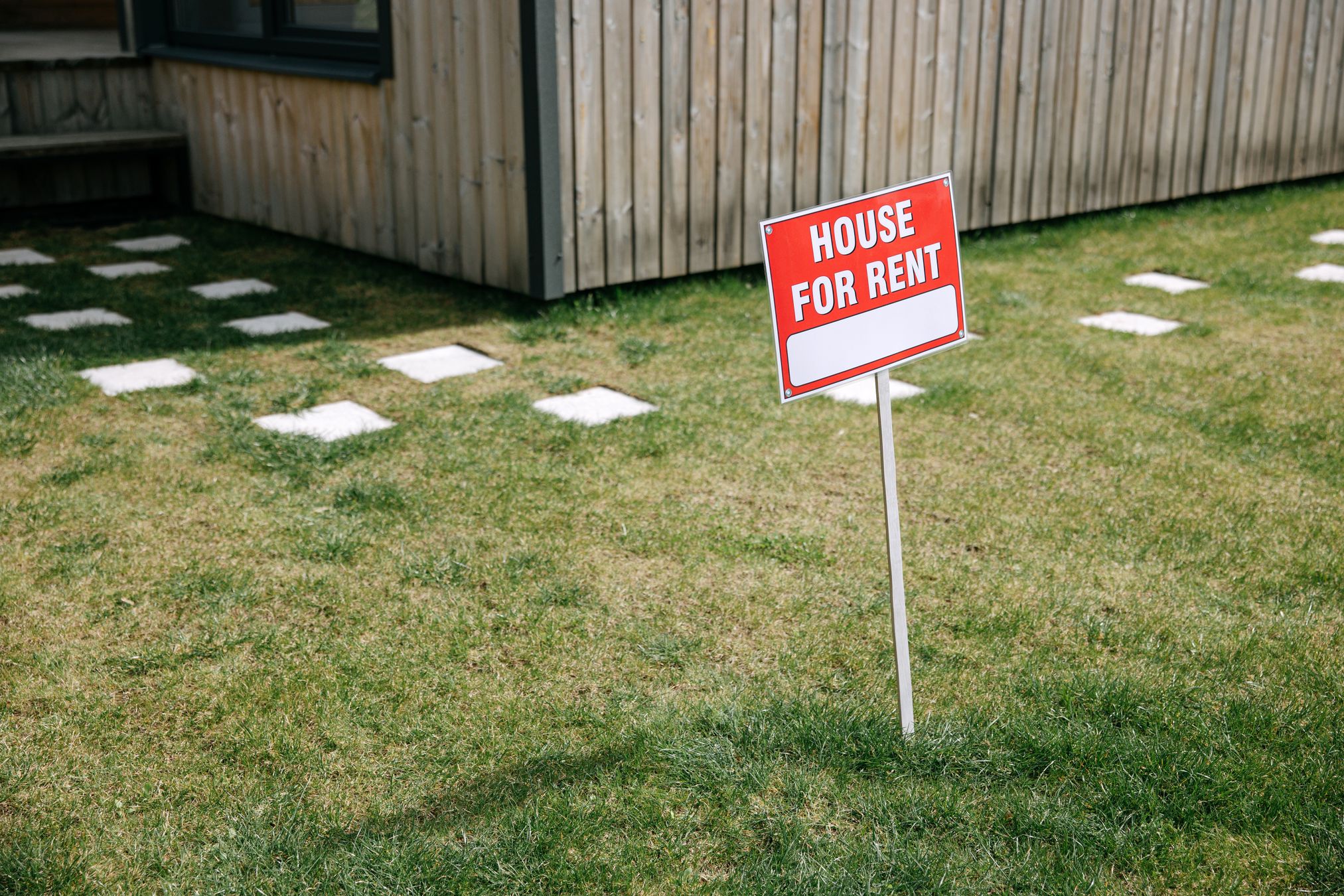
Three unrelated jurisdictions moved on short-term rental oversight this week, and each move lands on hosts in a different way: a Texas suburb is drafting a permit system, Poland is falling into step with an EU-wide registration mandate, and Western Australia has used its rental register to hand out a fine in Perth.
Rowlett drafts a permit system for hosts
Rowlett, a suburb northeast of Dallas, is working through an ordinance that would require short-term rental hosts to register with the city, carry a permit and operate within occupancy limits set by the council. That puts it on the same track as Fort Worth and Grapevine, both of which adopted comparable permit-and-registration rules for short-term rentals in recent years. For hosts currently operating in Rowlett without any local paperwork, the practical shift is straightforward: a city permit becomes a cost of doing business, not an option.
Poland folds into the EU's 2026 registration deadline
Poland is moving to bring its national rules in line with the European Union's short-term rental regulation, which requires member states to stand up registration systems and have platforms share host and listing data with local authorities. The EU has set 2026 as the deadline for that infrastructure to be in place across the bloc, and Poland's move signals it intends to meet it rather than lag behind. Hosts listing in Polish cities should expect a formal registration number to become a listing requirement well before the deadline itself, since platforms typically start enforcing data-sharing rules ahead of the legal cutoff.
Perth's rental register produces its first fine
Western Australia's short-term rental accommodation register, which requires hosts to register properties with local government before letting them out, has been used to issue a penalty against an operator in Perth running an unregistered listing. The register exists precisely to make this kind of enforcement possible: once a property is on a state or council database, a listing that isn't registered is easy for authorities to spot and act on. For Perth hosts still weighing whether registration is worth the paperwork, the fine is the answer - the state built the register to be used, not just filed.
None of these three moves is dramatic on its own. Taken together, they describe where enforcement is heading generally: registration systems that were symbolic when first introduced are turning into the basis for real penalties, whether that's a Texas city writing its first ordinance, an EU member state building out a data pipeline, or an Australian state closing the gap between a rule on paper and a fine in an inbox.
Newsletter