
Airbnb Files Q2 2026 Results, Leaves Hosts Waiting on Detail
Airbnb has published its second-quarter 2026 financial results, but the release gives hosts little to act on until the underlying booking and fee data surface.
Airbnb has published its second-quarter 2026 financial results, but the release gives hosts little to act on until the underlying booking and fee data surface.

A new guest survey finds unclear total pricing beats cleanliness and location as the single biggest reason travellers walk away from a vacation rental booking.

Landing has launched Occupancy on Demand, a service that lets multifamily owners furnish and list vacant apartments through its flexible-stay network rather than leaving them empty.

Dubai's airport traffic keeps climbing but short-term rental occupancy and daily rates aren't keeping pace, squeezing margins for hosts and operators.

Rural rental occupancy in Spain is forecast to reach 70% this August, seven points above the same month last year, with bookings tied to next week's solar eclipse adding to the total, according to booking platform Escapada Rural.

Cardiff is reportedly preparing to ease the annual letting threshold that decides whether a Welsh holiday let pays business rates or council tax.
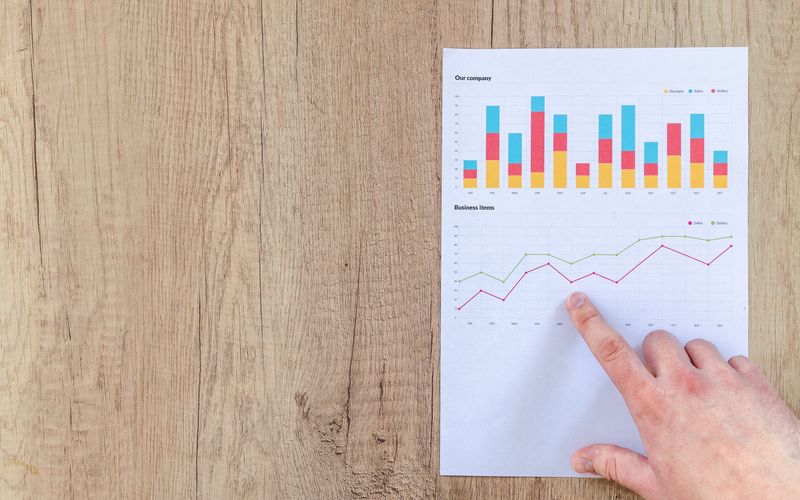
Airbnb reports second-quarter results after market close on August 6, and the figures worth tracking are booking volume and summer demand, not the revenue headline.

Rehoboth, Bethany and Dewey Beach account for most of Delaware's short-term rental income, leaving investors elsewhere in the state chasing a much smaller pool of demand.

A survey of British holidaymakers puts the North of England ahead of the South West and Scotland as the top staycation pick for the year, with 45% naming it their preferred domestic destination.

Jefferson County, New York, has launched a registry requiring short-term rental hosts to collect and remit the county's occupancy tax, a levy that until now applied only to hotels and motels.

The country's tourism minister says new oversight of short-term rentals is about guest safety, not a quiet tax grab on hosts.

A themed lake house on Airbnb pulls in $80,000 a year while operating only part of the season, with no heating system installed.

Every property management system vendor now advertises AI, but operators running multi-property portfolios say the daily workload of pricing checks, message triage and calendar reconciliation hasn't shrunk.

Operators running a flat minimum-stay policy across the calendar are leaving gap nights unsold, and the fix is closer to inventory management than pricing strategy.

New pricing guidance for hosts argues the default weekend markup is often wrong for the market and should be replaced with rates set from a property's own occupancy history.

A monthly trade briefing links a booking surge in 2026 World Cup host cities to continued licensing pressure on short-term rental operators in Edinburgh and Sydney.

A country-by-country occupancy comparison now circulating among hosts claims to rank short-term rental demand worldwide, but the underlying data has no audited source.

Progressive wins over establishment Democrats in Colorado's primary could tilt next year's legislature toward stricter short-term rental oversight, at a time when many mountain-town hosts are already reporting higher advertised rates and softer occupancy.

The Welsh Government has opened a review of the occupancy threshold that forces self-catering owners to hit 182 let days a year or lose business rates status.

A listing that is fully compliant in one city can be unlicensed a few streets over, and hosts running properties in more than one market are left tracking state, county and municipal rules one at a time.