Spain's Eclipse Lasts Minutes, Pricing Errors Could Cost a Month

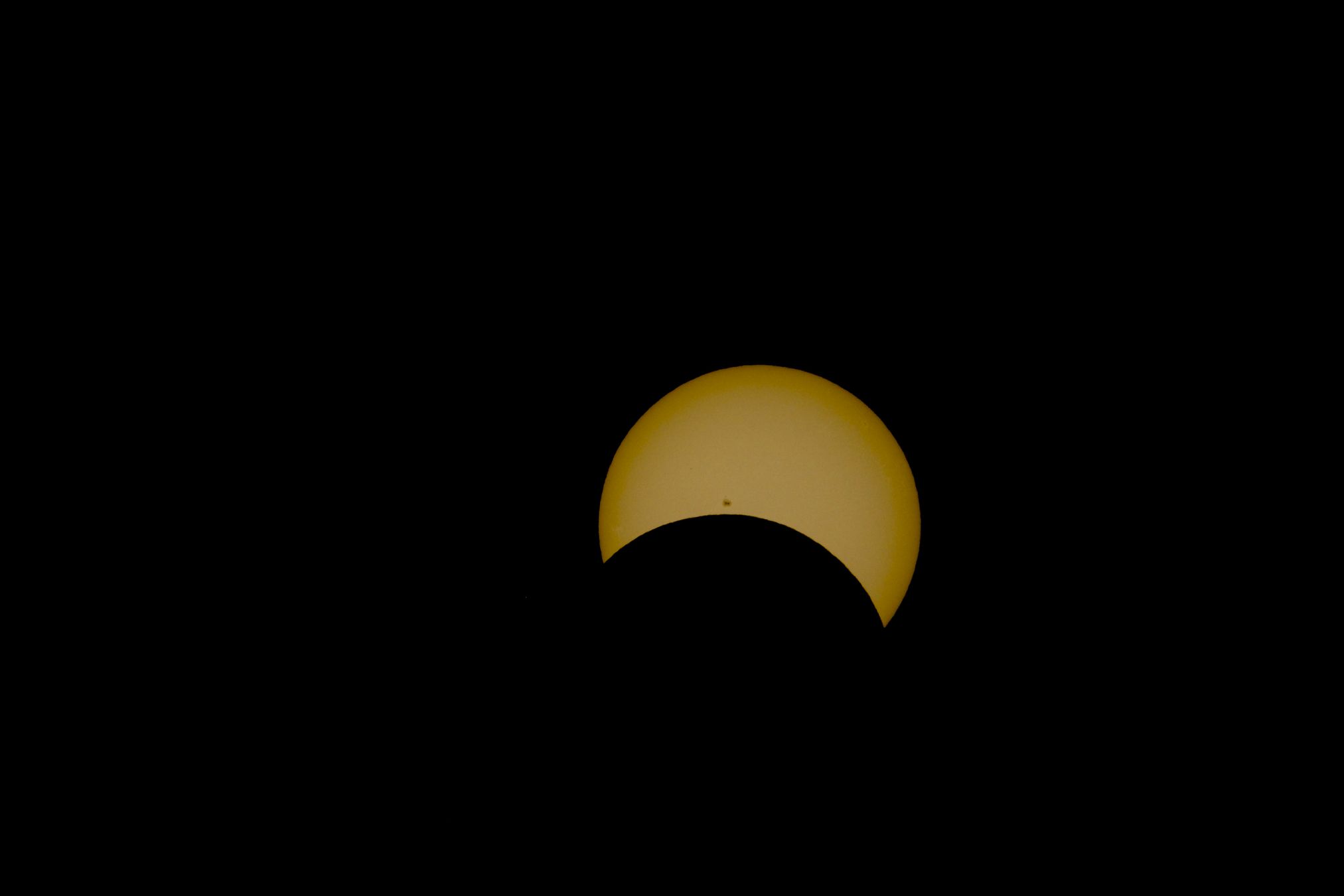
Spain will see its first total solar eclipse visible from the mainland in more than a century on 12 August 2026, with totality tracking a corridor from Galicia in the northwest down through Valencia and out to the Balearic Islands. The blackout itself lasts roughly two minutes. The pricing decisions hosts along that path make in the weeks before it, and the calendar mess they leave behind after it, will run a lot longer.
Demand is already visible. Rentals in rural areas along the path of totality are reporting occupancy near 70% for the eclipse dates, well above what those towns would normally see in mid-August. That is the easy part of the story. The harder part is what happens to the other 29 nights of the month.
Why one date behaves nothing like the rest of August
Totality is a fixed, narrow window. Viewing conditions matter, weather forecasts will firm up only days ahead, and most travellers chasing the eclipse are booking a short stay around 12 August specifically, not a full August fortnight. That is a different demand curve to the one hosts along the Spanish coast normally price against, where July and August run as one long high-occupancy block with gradual rate drift.
The pricing mistake already showing up on calendars
Some operators near the path of totality are responding by lifting rates across the entire month, or by locking in seven-night minimum stays that force eclipse-chasers to pay for nights they never wanted. That works until the eclipse traveller books elsewhere, or shortens the trip and leaves a gap either side of the two-minute event that nobody else wants to fill at August rates. A blanket rate hike built around one date can leave a listing overpriced for the ordinary holidaymaker booking 8-11 August and empty either side of it, which is exactly the kind of gap that drags average daily rate down for the whole month once it gets discounted last-minute to fill.
Treating the eclipse as a spike, not a season
The more defensible approach is to ring-fence the eclipse window on the calendar, price it as its own event with its own minimum stay, and leave the pricing either side of it on the same dynamic model already running for the rest of the summer. That means no month-long minimum-stay lockouts triggered by one weekend, and no assumption that eclipse-driven demand justifies a flat rate increase for dates that have nothing to do with it. Operators who treat 12 August as a single, short-lived spike inside a normal August are better placed to hold rate across the month than those trying to stretch two minutes of astronomy into four weeks of pricing power.
Newsletter