Manatee and Hillsborough Push Rival Rental Crackdowns to Hearings

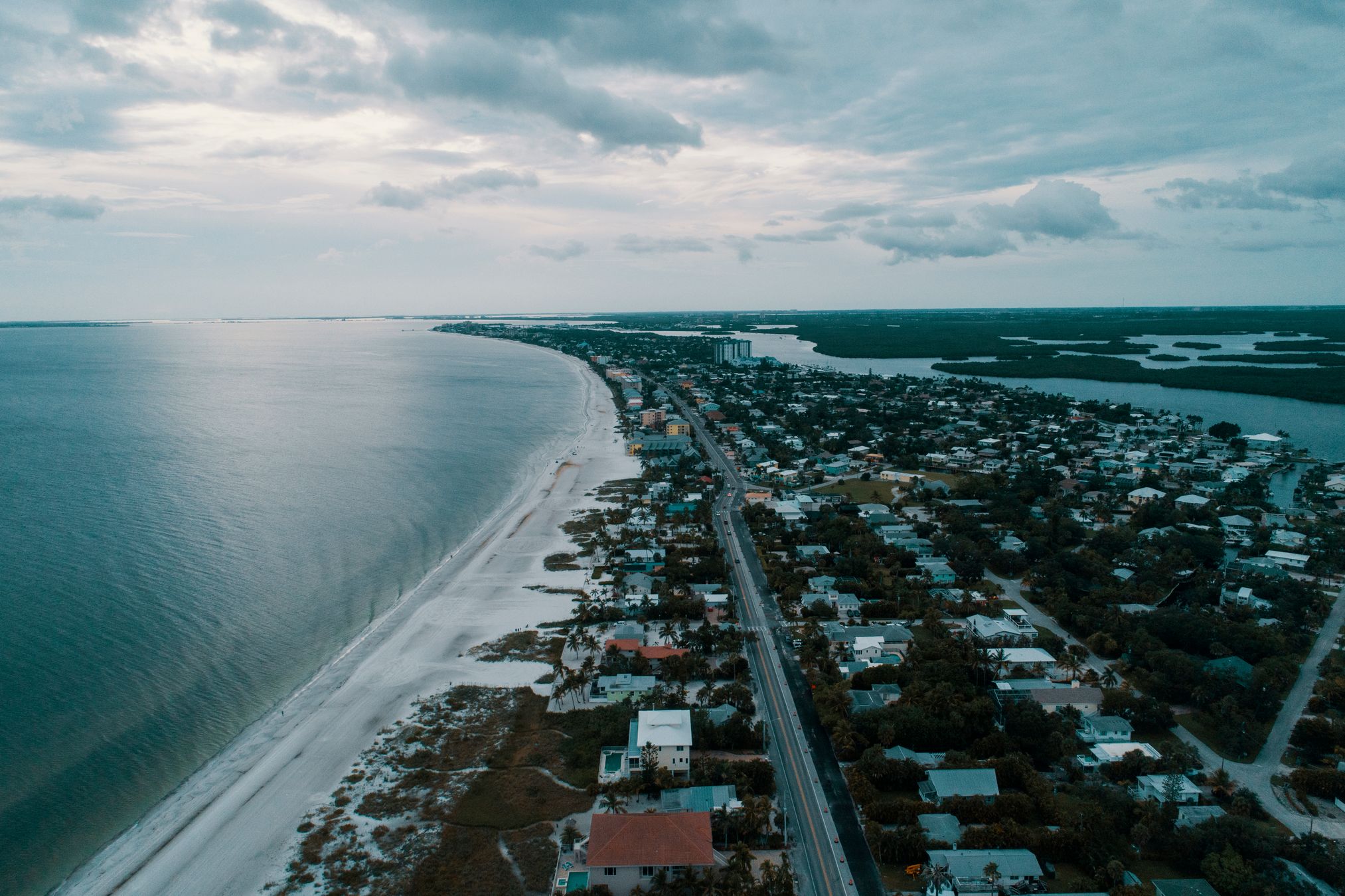
Manatee and Hillsborough counties are holding public hearings this week on separate short-term rental ordinances that would set new occupancy limits, parking requirements and registration fees for hosts operating on Florida's Gulf Coast. Neither county has finalized its rules yet, but both are moving faster than most Florida jurisdictions have this year, and operators listing in either county should expect the terms of their business to look different by year's end.
What each county is actually proposing
Manatee County's draft would tighten occupancy limits tied to bedroom count, require a minimum number of off-street parking spaces per rental, and layer on registration fees that the county's own staff have estimated will cost well over a million dollars to administer and enforce, a figure covered in earlier reporting on the enforcement price tag. Hillsborough County, which already runs a registration system for short-term rentals, is using this week's hearing to consider tightening that framework further, with proposed changes to how occupancy is calculated and how parking violations get cited. The two counties are not coordinating; each is writing its own ordinance, which means a host with properties on both sides of the Hillsborough-Manatee line could soon face two different rulebooks for two similar beach towns.
Why the timing matters for hosts now
Public hearings are where draft language gets amended, softened or hardened before a final vote, so this week is the last real chance for operators to weigh in before either county locks in numbers. Manatee's proposed parking minimums, for instance, could force some existing rentals in older, narrower-lot neighborhoods to either add hardscape or drop below the county's designated bedroom-occupancy ratio to stay compliant. Hillsborough's fee and enforcement mechanics, since they build on a system already in place, are likely to move faster to a vote, and any changes made now become binding sooner. Neither county has yet published a start date for enforcement of a final ordinance, and Night Editor recommends treating any compliance timeline circulating locally as provisional until a county commission actually votes.
What operators should do before enforcement begins
Hosts registered in Hillsborough should check whether the proposed occupancy and parking changes affect properties already on file, since retrofitting a driveway or reworking a floor plan's stated capacity takes longer than most compliance windows allow. In Manatee, unregistered operators face the steeper adjustment: a new fee structure, a new registration process and, per county estimates, a meaningfully expanded code enforcement effort funded by those same fees. Both counties have shown, through the pattern of hearings and amendments so far, that final rules can differ substantially from initial drafts, so operators with properties in either jurisdiction have reason to track the outcome of this week's sessions rather than wait for a mailed notice.
Newsletter