Scotland's Rental Hosts Win Cross-Party Ear at Holyrood

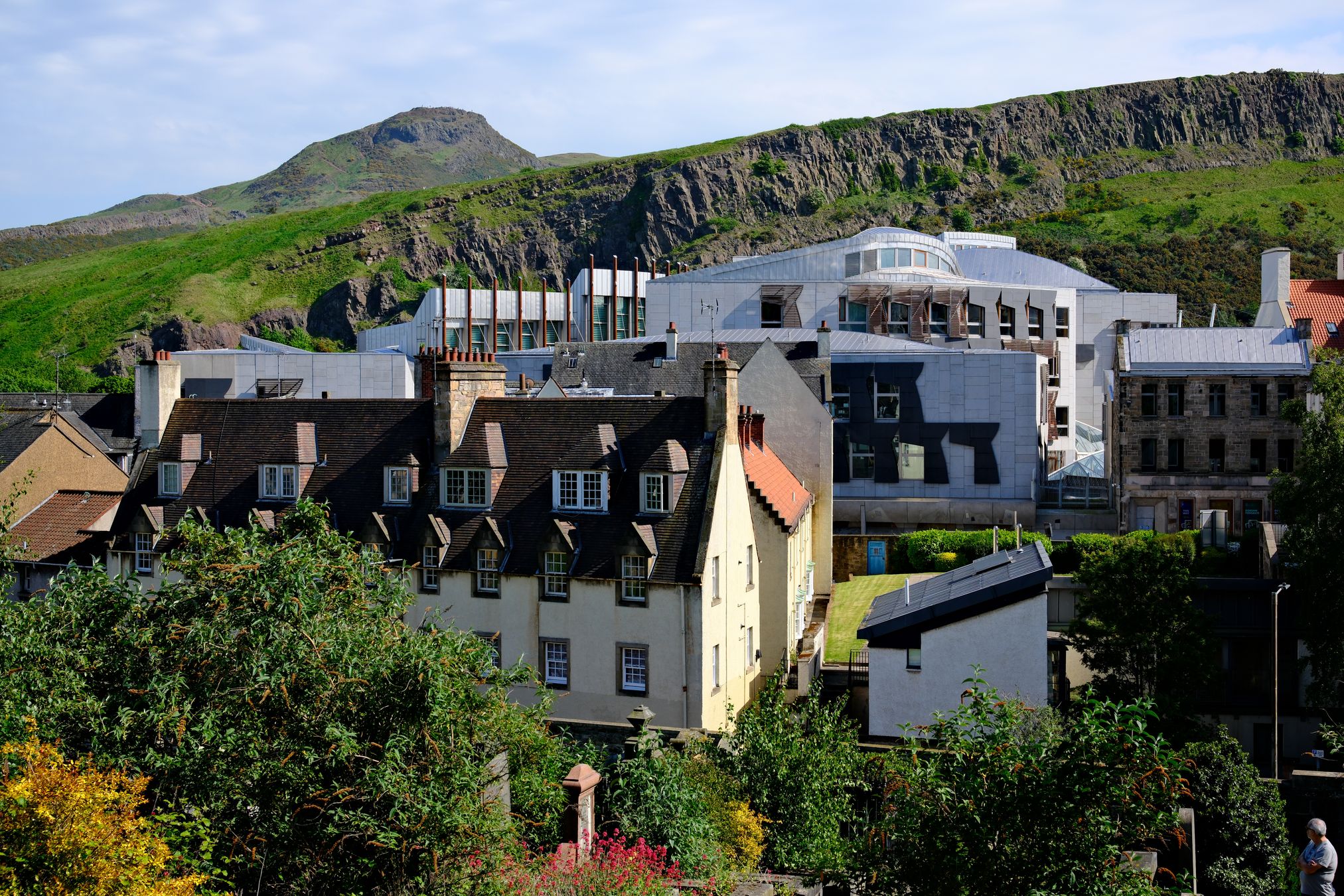
Self-catering hosts and the wider hospitality trade brought a joint case to the Scottish Parliament this week, securing a hearing from MSPs across the political spectrum on the cumulative cost of licensing, business rates and tourism taxes. Nothing in Scottish law changes as a result. What changed is that two sectors which have often lobbied separately turned up at Holyrood together, and enough parties sent representatives that the sector can now claim the argument is not a fringe one.
The Association of Scotland's Self-Caterers convened the reception alongside broader hospitality bodies, the first time the two camps have made a unified pitch inside Holyrood on this scale. For hosts, the practical read is patience rather than relief: cross-party attendance signals that MSPs are willing to listen, not that any minister has committed to changing the rules that currently apply.
What operators are actually paying now
Scotland has required every short-term let host to hold a council license since October 2023, under the regime introduced via the Civic Government (Scotland) Act 1982. Licensing costs and processing times vary by council, and several authorities, including Edinburgh and Highland, have layered planning control areas on top, meaning a change of use to short-term letting can need separate planning permission before a license is even considered. Non-domestic rates liability has added a second recurring cost for hosts operating above the threshold that takes them out of council tax bands. None of that shifts because of this week's event.
Edinburgh is also set to become the first Scottish city to charge a visitor levy, expected to apply at 5% of accommodation cost from next summer, with operators responsible for collecting and remitting it. Other councils are watching that rollout before deciding whether to follow. The coalition's pitch to MSPs was that licensing fees, rates and a visitor levy stacked on top of each other are pushing marginal operators out of the sector altogether, particularly in rural areas where self-catering income supports properties with few other viable uses.
Why cross-party support doesn't mean a policy change
Attendance from multiple parties at a Holyrood reception is a lobbying result, not a legislative one. Scotland's licensing scheme and its rates rules were set by ministers and by individual councils, and reversing or softening them would require a government willing to reopen settled policy, or councils willing to move first. Cross-party interest raises the odds that the case gets a proper committee hearing; it does not by itself produce a fee reduction or a rates exemption.
Hosts weighing whether this changes anything for their own operation should treat it as evidence the argument is being heard, not as a signal to change pricing, compliance planning or licensing timelines. The councils issuing licenses and setting non-domestic rates bills have given no indication their approach is under review. The next marker to watch is whether any MSP who attended tables a members' bill or a motion pressing ministers to review the combined cost of Scotland's short-term let framework.
Newsletter