Líbere Opens Second Porto Property Mixing Short and Mid-Stays

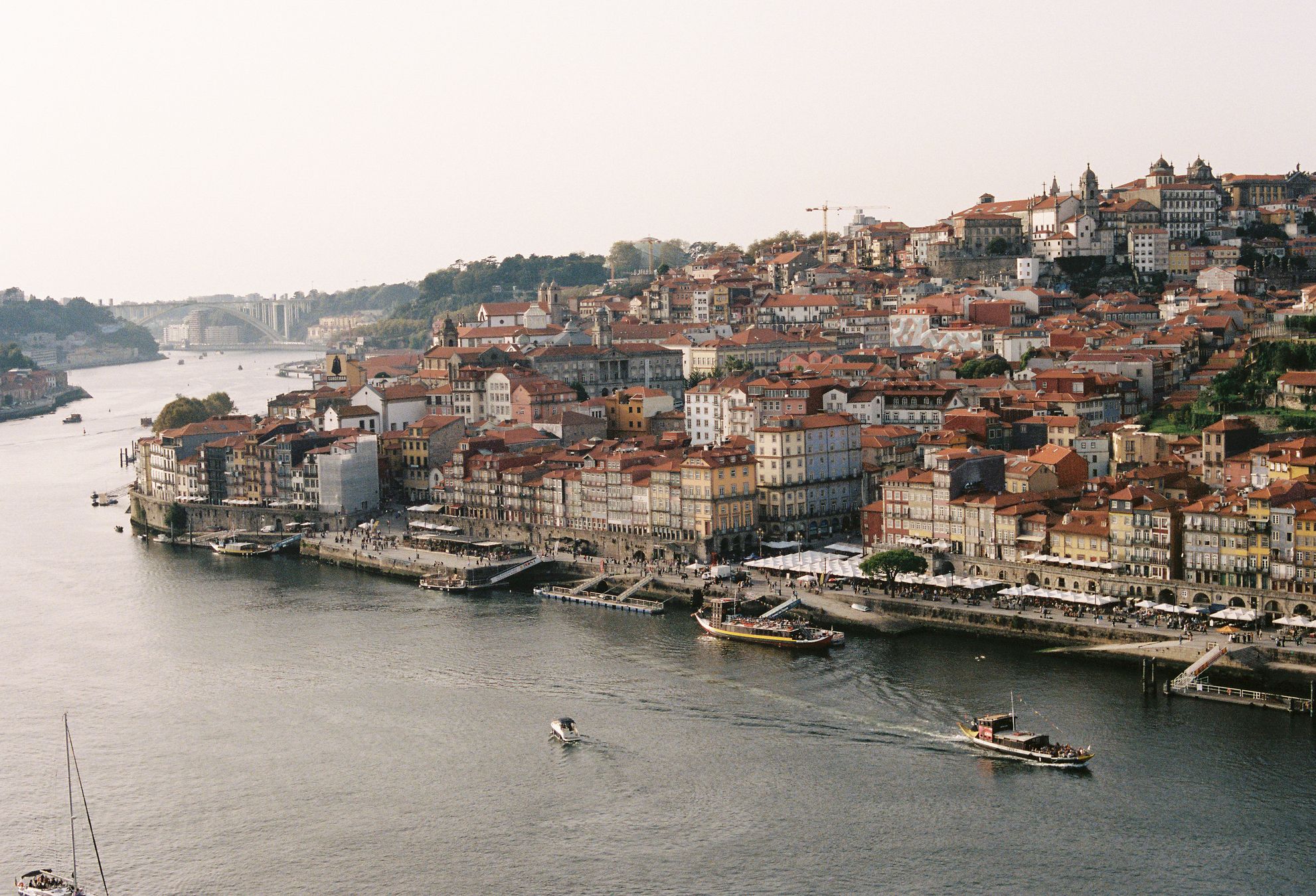
Líbere Hospitality Group has opened its second property in the Porto area, a two-building apartment complex called Líbere Porto Gaia at Rua do Pilar 48 in Vila Nova de Gaia, mixing units aimed at short stays with others built for guests staying weeks or months.
Why Vila Nova de Gaia
Vila Nova de Gaia sits across the Douro river from Porto's historic Ribeira district and has spent decades as the address of the city's port wine lodges rather than its hotels. That has shifted as the riverbank fills with cafés and short-term rentals aimed at the same tourists who cross the bridge from central Porto. A hospitality group opening its second local asset here, rather than a third property on the Porto side, is a bet that Gaia's lower land costs and wine-tourism draw still have room to run.
Gaia's appeal to an operator is partly arithmetic. A guest standing on the Gaia waterfront is looking directly at Porto's postcard skyline, a view the Porto side cannot sell because it is the view. That proximity lets a Gaia property charge for the same city break while carrying lower acquisition and conversion costs than an equivalent building in the Ribeira, where heritage protections and sky-high prices for licensed stock have squeezed margins for years. Choosing the second Porto-area asset in Gaia rather than across the water reads as a deliberate margin play as much as a location one.
Blending short lets with month-long stays
Splitting a property into short-stay and mid-stay blocks under one roof is becoming a familiar hedge for operators in Portugal. Since 2023, national rules under the Mais Habitação package have frozen new short-term rental licenses across large parts of Lisbon and Porto, pushing operators to build out longer-stay inventory that falls outside the licensing bottleneck while still capturing nightly-rate economics on the units that do have a permit. A single asset that can flex between a three-night guest and a three-month tenant gives an operator more room to manage both occupancy and regulatory exposure without opening a second, separately licensed building.
The mixed-stay model also smooths the two problems that hurt single-purpose rental buildings most: seasonality and void risk. Mid-stay units aimed at remote workers, relocating professionals and medical or academic visitors book in longer blocks that hold through the shoulder and winter months when pure tourist demand thins, while the short-stay units capture the premium nightly rates of peak season. Running both under one roof lets an operator shift the balance as demand moves, rather than betting the whole building on one guest profile and one regulatory category.
What it signals for the wider market
Líbere's move adds to a run of hospitality groups treating short and mid-term rental as one operation rather than two separate business lines, a pattern showing up across Spain and Portugal as landlords look for stays long enough to sidestep short-term let caps but still short enough to reprice against demand. For competing operators eyeing Porto, the signal is less about one company's square footage and more about which stay lengths keep a permit-constrained market solvent.
The practical lesson for independent hosts is that the regulatory squeeze is quietly reshaping what a competitive Porto property looks like. In a market where new short-term licenses are hard to come by, the operators expanding are the ones who can monetise a unit across several stay lengths and guest types rather than relying solely on the classic nightly tourist booking. Hosts planning for the next few years in licence-capped Iberian cities would do well to design flexibility in from the start, both in how units are furnished and in how contracts and pricing are structured, rather than assuming the short-stay permit they hold today will be easy to replace or expand tomorrow.
Newsletter


