Folly Beach Picks One-Off Study Over Ongoing Rental Cap Data

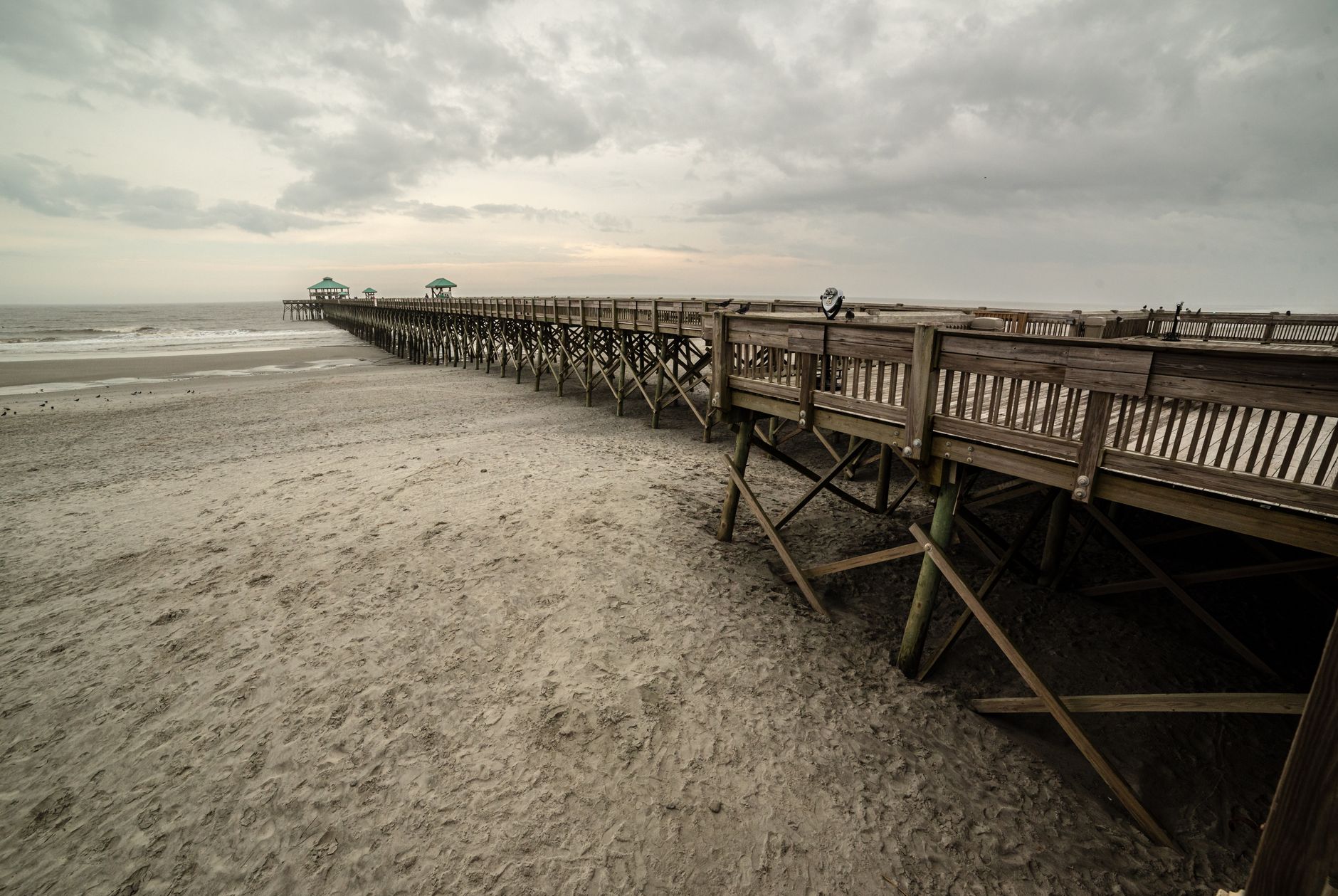
Folly Beach, the barrier-island beach town just outside Charleston, is commissioning a one-time consultant study to examine whether its cap on short-term rental licenses is hurting home values and tourism, rather than building an ongoing data-tracking system that critics say the town actually needs.
The cap itself is not new. Folly Beach has for years capped the number of short-term rental licenses issued on the island, with existing licenses grandfathered to current properties and no new ones issued once the ceiling was reached. Owners who want to operate a short-term rental on the island generally have to acquire a property that already carries a license, which has kept supply fixed even as demand for beach stays around Charleston has kept climbing.
What the town is actually asking a consultant to do
Under the plan, the town will pay for a single review looking at whether the license freeze is suppressing home values relative to comparable coastal markets, and whether it is costing the town overnight visitor spending. That is a snapshot, not a trend line: the consultant produces one report at one point in time, based on whatever historical data can be pulled together, and then the engagement ends.
Why some council members and residents want more than a snapshot
Opponents of the one-time approach argue that a single study cannot capture how the cap's effects shift year to year, particularly as short-term rental demand along the South Carolina coast fluctuates with interest rates, insurance costs and storm risk. Their preference is for the town to set up recurring data collection, tracking license transfers, sale prices of licensed versus unlicensed properties, and occupancy or tax-revenue trends on an ongoing basis, so that any future decision to loosen or tighten the cap rests on more than one point-in-time assessment.
What it means for operators on the island and elsewhere
For hosts already holding a Folly Beach short-term rental license, nothing changes immediately: the cap stays in place while the study is conducted, and there is no indication the town is preparing to lift it on the strength of one report. For operators eyeing the market from outside, the practical barrier remains the same as it has been for years - a license has to come with the property, and the study will not create new ones. The bigger signal is for other small coastal towns weighing similar caps: Folly Beach's council is treating the question of economic harm as worth investigating, but not yet worth the cost of permanent monitoring, which tells operators watching from neighbouring jurisdictions that any policy reversal here is likely to be slow, if it comes at all.


