Two Founders Bet a Maine-Only Platform Beats Airbnb Reach

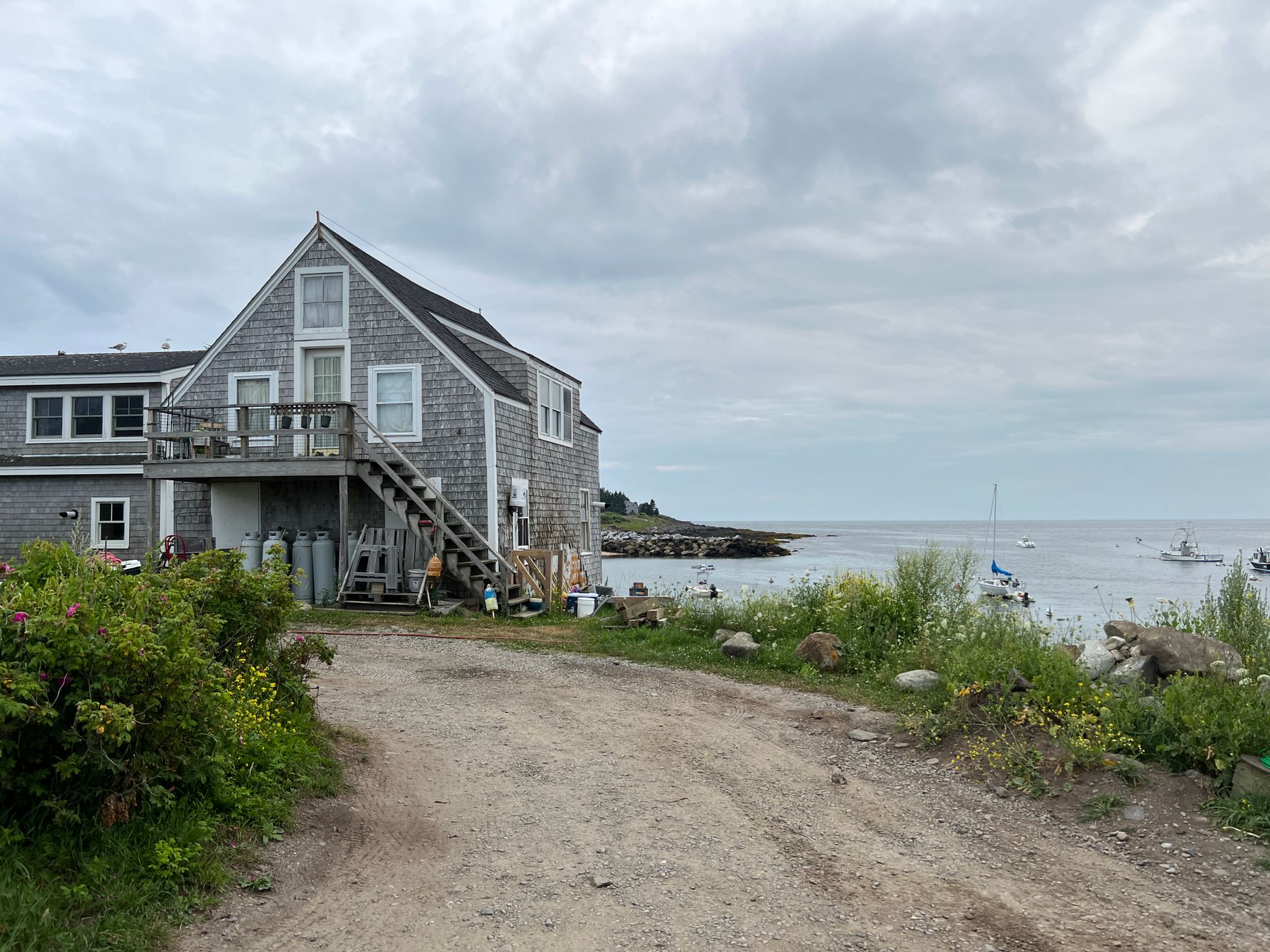
Two New England founders have launched a vacation rental booking platform that lists only properties in Maine, betting that hosts and guests will trade Airbnb's national reach for a smaller, locally vetted marketplace.
The pitch is simple: every listing on the site is in Maine, checked by people who know the state, rather than one line among millions on a global platform. For hosts, that means a narrower pool of competing listings and, the founders say, closer contact with the people running the business rather than a support queue. For guests, it means a search that doesn't require wading through thousands of results outside the region they actually want.
Why bet against scale
Airbnb and Vrbo win on volume and brand recognition; a single-state site cannot compete on either. What it can offer is trust signals that are hard to fake at scale - local phone numbers, direct relationships with owners, and a claim to know which coastal towns actually welcome short-term renters and which have tightened rules against them. Maine's own patchwork of municipal short-term rental ordinances, from Portland's registration requirements to stricter caps in smaller coastal towns, is exactly the kind of local detail a national platform handles generically and a regional one can, in theory, get right the first time.
What it changes for Maine hosts this season
Nothing forces a host off Airbnb or Vrbo to try a niche platform, and the sensible move for most operators is to add a channel rather than swap one out. The real question for anyone weighing it is exchange rate: what commission or listing fee the new site charges against what it can actually deliver in bookings, and whether that trade beats the incremental guest a large OTA sends anyway. Until the platform has enough inventory and guest traffic to show up in that math with real numbers, it is a bet on brand and word of mouth in a state with a short, intense peak season.
The harder part is guest habit
Guests default to whichever app they already have booked through before, and unseating that habit takes more than a better local search. Plenty of regional and boutique booking sites have tried this exact play across the US over the past decade, with mixed results - some carve out durable niches in destinations with strong identity, like ski towns or wine country; others fold quietly once seed funding runs out. Maine's brand, heavy on lighthouses and lobster shacks, is distinctive enough to market around, but distinctiveness alone doesn't buy conversion.
For operators, the sensible response is to watch inventory numbers over the next year rather than launch coverage. A platform's founding story says nothing about whether it will still be booking rooms in 2027.
Newsletter