Florida Panhandle Authority Drafts Short-Term Rental Registry

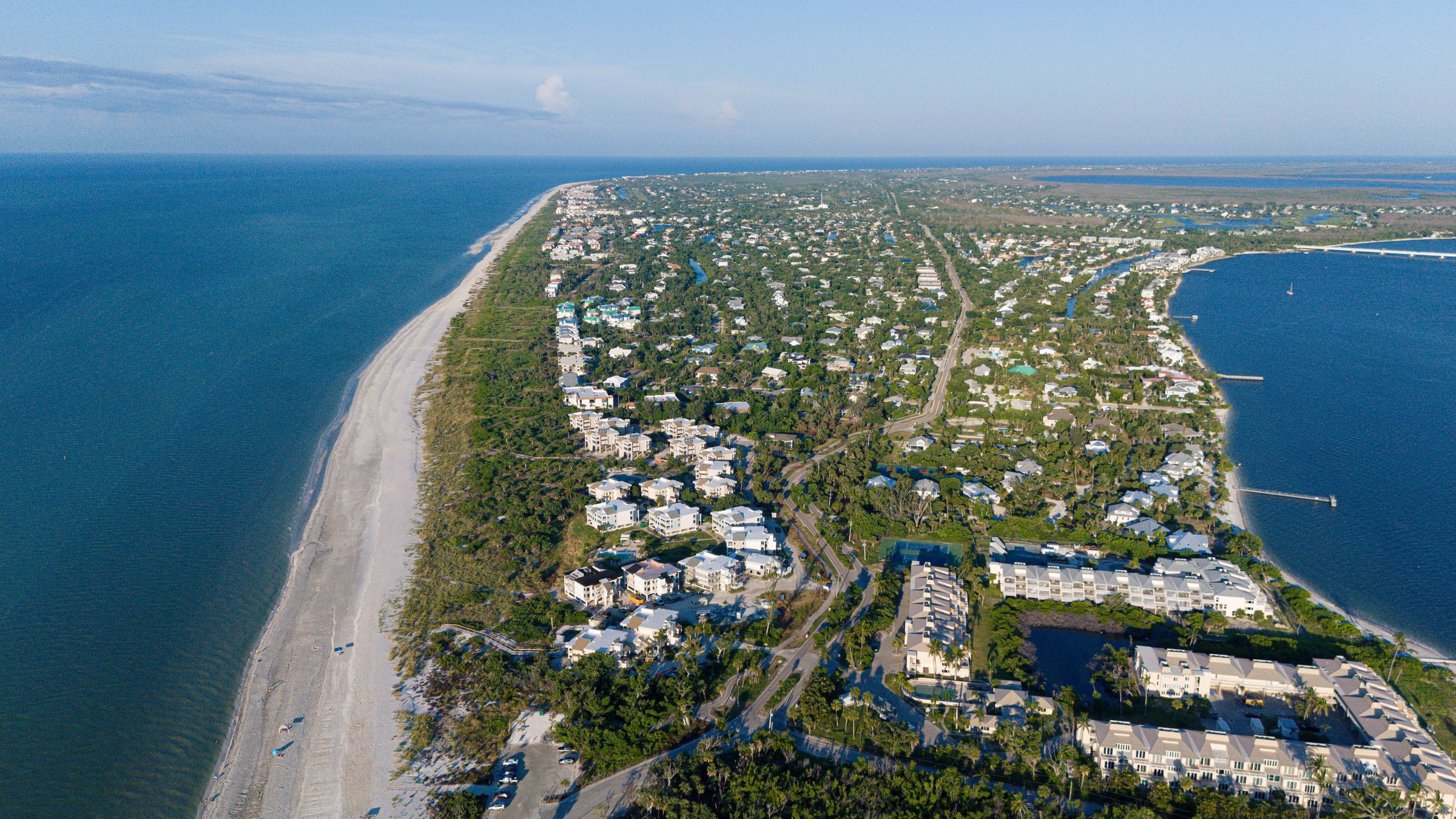
A beach management authority covering part of Florida's Panhandle coast is drafting a short-term rental registry, a move that would require owners to sign up with the agency and could bring new fees, inspections or occupancy limits once the rules are finalized.
What pushed the authority to act
The push follows a familiar complaint list: overflowing trash bins, late-night noise and cars parked on grass verges and access roads near beachfront rental properties. Local residents have been raising these issues at public meetings, and the authority's response is to try to get a handle on how many short-term rentals actually operate in its jurisdiction and who runs them. A registry is typically the first step toward that kind of enforcement, because it gives an agency a name, address and contact for every unit instead of relying on complaints to flag violations after the fact.
What a registry usually means in practice
Registries in other Florida coastal markets have tended to come with an annual fee, a requirement to post a local contact number at the property, and defined penalties for violations tied to noise, trash or parking. None of those specifics have been finalized here yet. The draft is still being written, and there's no published date for a vote or a start date for enforcement. Operators in the area should treat this as early notice rather than a settled rule: what gets adopted could look different from what's being discussed now, and it could also stall if the authority's board decides to narrow its scope.
Why hosts elsewhere should pay attention
Florida has generally limited how far cities and counties can go in banning or capping short-term rentals outright, thanks to a state preemption law, but registries, life-safety inspections and noise or parking enforcement have remained fair game for local authorities. That's exactly the lane this beach authority appears to be working in. Owners operating in the affected area should expect a public comment period once draft language is released, and it would be worth checking whether the registry would apply only to beachfront units or extend further inland. For managers with several properties along that stretch of coast, the compliance overhead of tracking a new local registration on top of existing state and county requirements is the practical cost to watch, even before any fee schedule is set.
Newsletter