Argyll and Bute Weighs Visitor Levy, Hosts Warn of Fallout

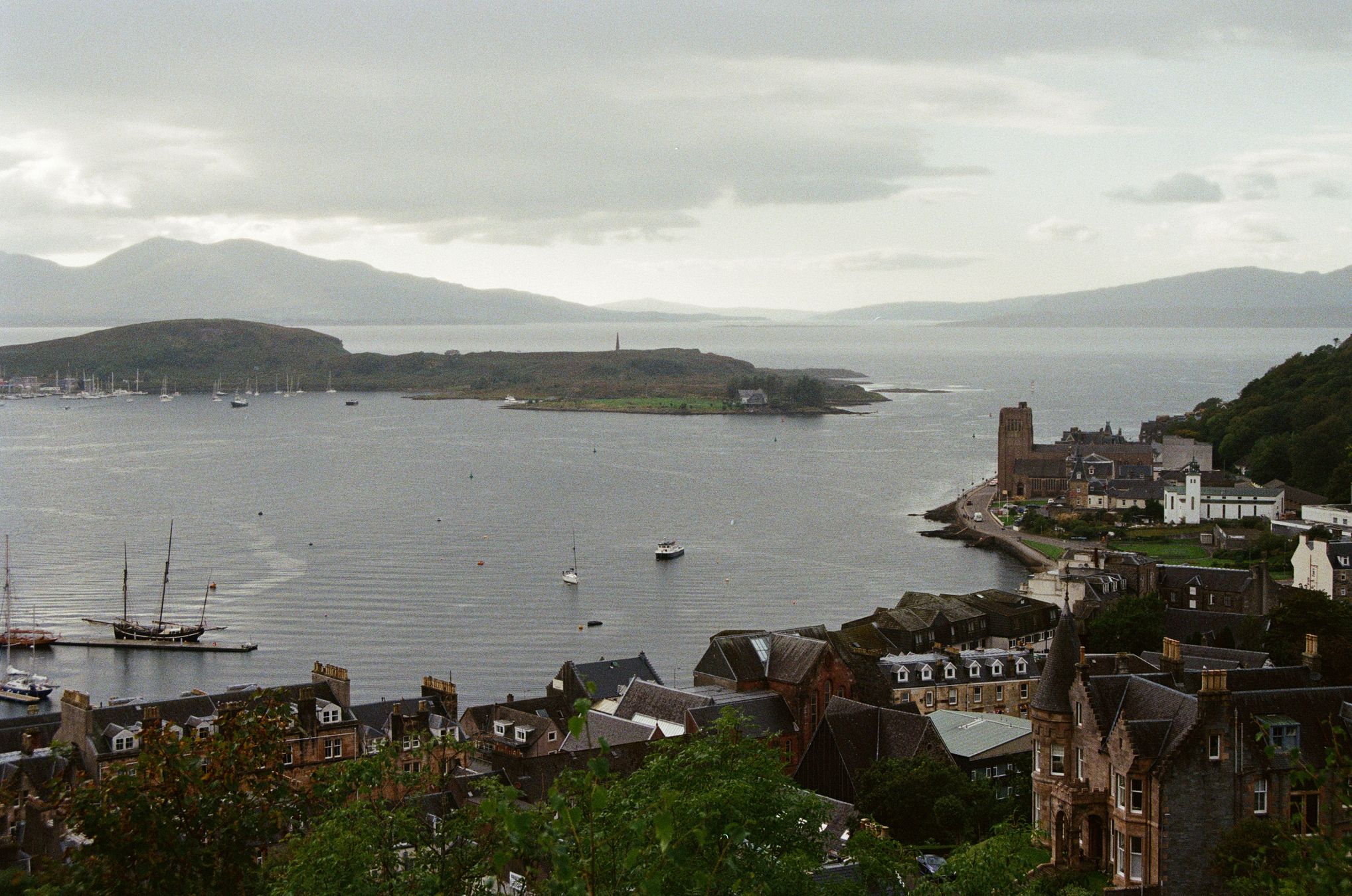
The Association of Scotland's Self-Caterers has told Argyll and Bute Council that its consultation on a visitor levy risks adding cost to a tourism economy that is already struggling with falling occupancy and rising compliance bills. The council is weighing whether to use powers under the Visitor Levy (Scotland) Act 2024 to add a percentage charge to overnight stays across a region that runs from Oban to Mull, Bute and Cowal.
What the levy would actually require
Under the 2024 Act, Scottish local authorities can set their own percentage-based charge on the cost of overnight accommodation, collected by hosts and platforms and remitted to the council. Any authority that confirms a levy must give at least 18 months' notice before it takes effect, and the revenue is meant to fund tourism-related infrastructure and services. Edinburgh moved first, confirming a 5% charge due to start on July 24, 2026, and Glasgow and Highland Council have run their own consultations since. Argyll and Bute's process puts it on the same track, though the council has not yet confirmed a rate or a start date.
Why the association says this region is different
The self-caterers' association argues that Argyll and Bute's tourism economy cannot absorb a new charge on the same terms as Edinburgh's. The area depends heavily on ferry-linked, seasonal trade rather than year-round city-break demand, and its operators are mostly small, owner-run businesses rather than commercial hotel chains that can spread compliance costs across many rooms. The association points to occupancy declines it has already tied to Scotland's short-term let licensing scheme, and says stacking a visitor levy on top, without a clear economic impact assessment, risks pushing more small operators out of the sector rather than raising meaningful revenue for the council.
Its submission to the council asks for a formal economic risk assessment before any rate is set, exemptions or reduced rates for lower-occupancy properties, and a delay until the wider cost pressures facing rural self-catering businesses ease. The association has made similar arguments to other Scottish councils weighing a levy, but frames Argyll and Bute's case as more urgent given how much of the local economy rests on tourism spending outside the main summer months.
What operators in the region should watch for now
Nothing changes immediately for hosts in Argyll and Bute. The council has not set a levy rate, an exemption threshold or a start date, and any confirmed scheme would still trigger the Act's 18-month notice period before charges begin. Operators should watch for the council's published response to the consultation, which will show whether it intends to proceed, at what rate, and with what exemptions, since that document will set the terms hosts and booking platforms need to prepare for if a charge is eventually confirmed.
Newsletter