Geneva, NY Considers Bed Tax on Airbnb, Vrbo Hosts

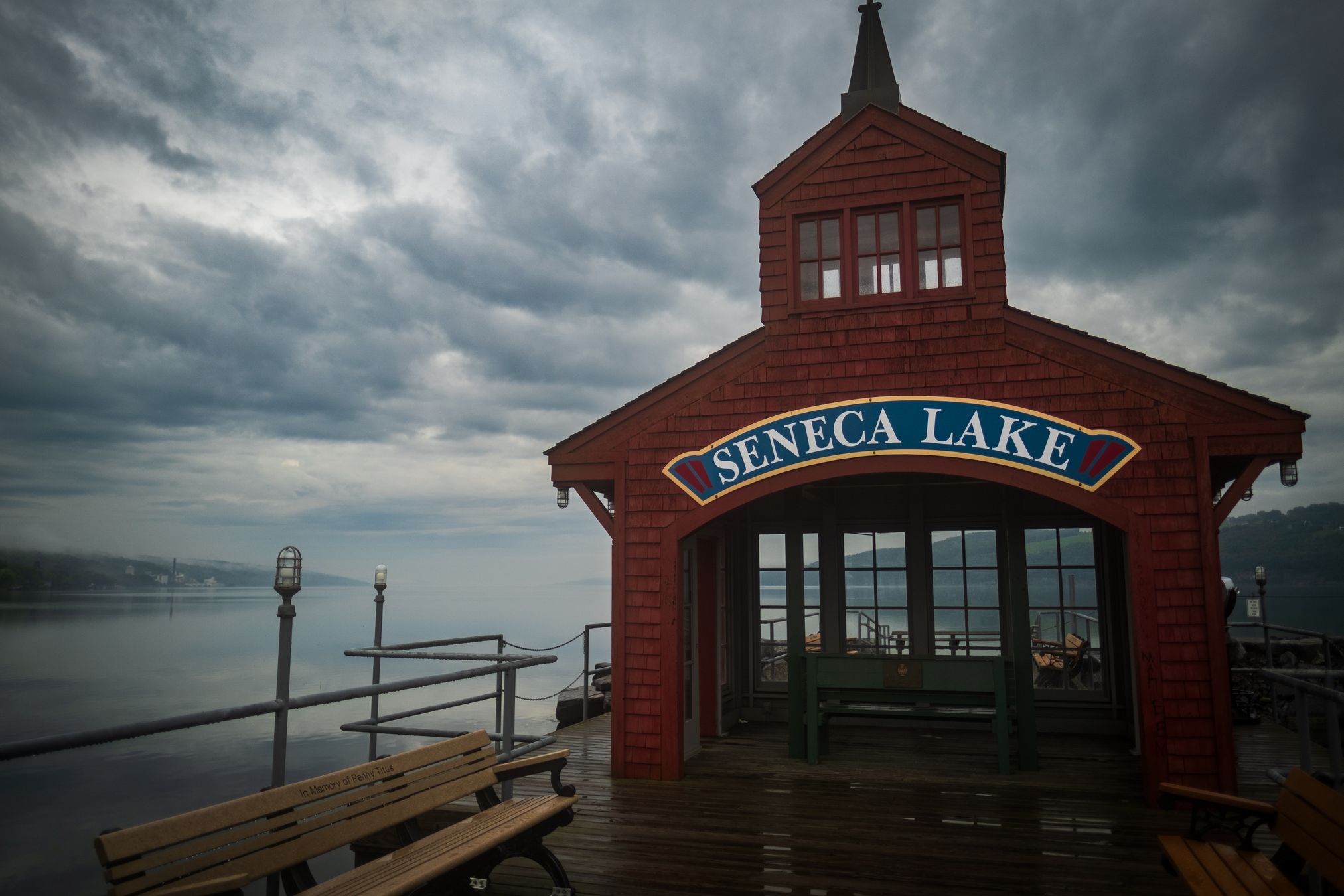
Geneva, New York, a small city on the north end of Seneca Lake in the Finger Lakes region, is looking at imposing an occupancy tax on short-term rentals booked through platforms like Airbnb and Vrbo. The city council has not set a rate or an effective date. If adopted, it would mean local hosts collecting a per-night fee from guests and remitting it to the city, on top of whatever state and county lodging taxes already apply.
What the council is actually weighing
The proposal is still at the discussion stage, not a passed ordinance. Geneva's council would need to draft specific language covering the tax rate, who collects it, and how it gets filed before anything takes effect. Cities of Geneva's size in New York typically model these taxes on existing hotel occupancy fees, often in the 3 to 5 percent range, but nothing in the current discussion locks that number in for short-term rentals specifically.
The mechanics the council still has to settle are the ones that determine how much work the tax creates for a host. A tax the booking platform collects and remits automatically is close to invisible to the operator; a tax the host has to register for, collect at checkout and file on a monthly or quarterly schedule is a standing administrative burden. Until the ordinance language exists, hosts cannot know which model Geneva will choose, and that uncertainty is the main reason to track the proposal rather than wait for a bill in the mail.
Why a small Finger Lakes city is doing this now
Geneva sits in wine country, within reach of Seneca Lake's tasting rooms and a short drive from Ithaca and Rochester, which means it has a real short-term rental base drawing weekend visitors rather than long-term guests. Municipalities that see hotel tax revenue but no equivalent from Airbnb and Vrbo listings have been closing that gap for years, and a city council weighing a new fee on rentals it currently taxes at zero is a familiar pattern nationally, not a Geneva-specific idea. What is local is the timing and the mechanics, both still undecided.
The political logic is straightforward and hard to argue against from a council's seat. Short-term rental guests use city services - roads, policing, waste collection, the events and amenities that draw them in the first place - while contributing nothing to the local budget that a hotel guest in the same town already pays into. Framed as fairness between lodging types rather than a new tax on residents, an occupancy levy on rentals is one of the easier revenue measures for a small council to pass, which is part of why these proposals so rarely die once they reach the agenda.
What operators in Geneva should do now
Hosts running listings in the city do not have a new obligation yet. There is no rate to collect, no form to file, and no enforcement date. The practical step is watching the council's public meeting schedule for when a formal proposal gets introduced, since that is typically when the rate, collection method and any registration requirement get spelled out. Operators elsewhere in New York State have seen these processes move from first reading to enforcement in under a year once a council commits to a number.
Two preparations cost nothing and pay off if the tax lands. First, confirm how Airbnb and Vrbo handle New York local occupancy taxes in comparable jurisdictions, so the question of automatic collection versus self-filing is already answered when the ordinance appears. Second, decide in advance whether a per-night fee of a few percent gets absorbed into the existing nightly rate or added transparently at checkout, since guests react differently to a higher headline price than to a clearly labeled tax line. Hosts who treat the discussion stage as planning time rather than a reason to relax will find compliance a formality rather than a scramble.
Newsletter