Spain's Flex-Living Stock Set to Double by 2028

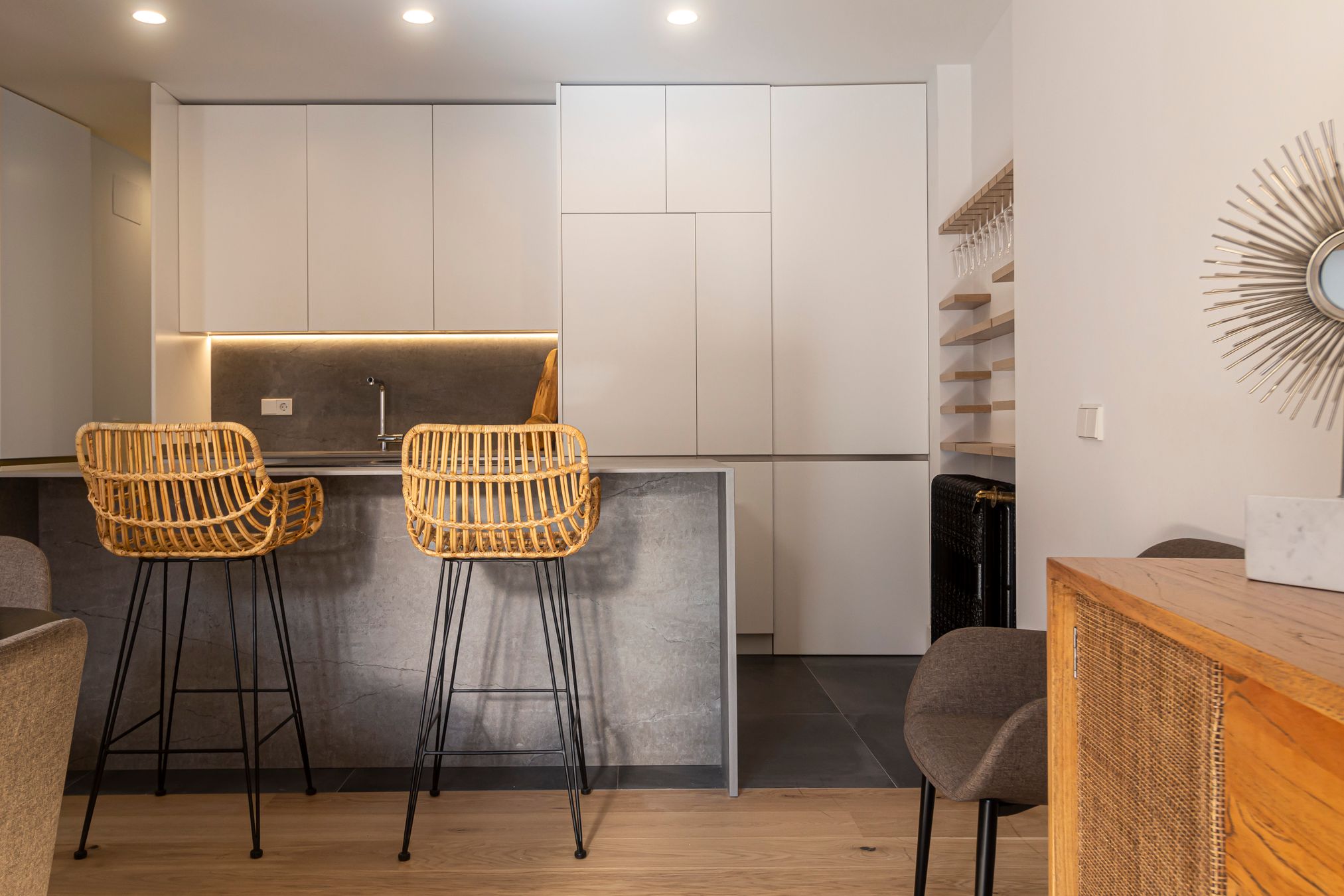
Spain's flex-living sector, furnished rentals let for stays of roughly one month to a year, is projected to roughly double its housing stock by 2028, according to industry estimates circulating in the sector. The growth is no longer coming just from the young professionals and digital nomads the category was built around. Operators are now seeing meaningful demand from workers relocated for jobs and, increasingly, from renters over 50.
A tenant base that no longer fits one profile
Flex living sits between a standard long-term lease and a licensed tourist rental: furnished, flexible on move-in dates, and typically contracted for weeks or months rather than nights. That structure originally drew remote workers and professionals on temporary assignments. It is now also attracting people over 50 who are downsizing, selling a primary home before buying again, relocating temporarily for family or medical reasons, or simply testing a city before committing to a purchase. For this group, a furnished unit with a flexible contract removes the friction of signing a multi-year lease or navigating a mortgage in a market where borrowing costs and prices have both climbed.
Madrid absorbs most of the new supply
Madrid accounts for the largest share of new flex-living units coming onto the market, well ahead of other Spanish cities. That concentration reflects the capital's job market and its pull for both domestic relocations and international arrivals, but it also means operators outside Madrid are working with a much thinner pipeline of comparable stock, and less pricing data to benchmark against.
Why this matters to short-term rental operators
The practical draw for operators is regulatory. Leases of a month or longer generally sit outside the tourist-license regimes that Madrid, Barcelona and other Spanish cities have tightened in recent years, which means a unit can stay in professional management without a short-term rental permit or exposure to license caps. For hosts and property managers watching Spain's licensing landscape get more restrictive, converting part of a portfolio to mid-term stays is one way to keep revenue flowing from units that would otherwise sit idle or face a license freeze. It comes with a different pricing model and a longer void period between tenants than nightly rentals, so it is not a like-for-like substitute, but it is becoming a more common fallback as short-term permits get harder to secure in the country's largest markets.
None of this makes flex living a direct replacement for tourist rentals. Yields per unit are generally lower than well-run short-term listings in peak season, and the tenant screening and contract obligations look more like residential letting than hospitality. What it does offer is a second lever for operators who want to keep units generating income while Spain's tourist-rental rules keep tightening around them.
Newsletter