Domestic Demand Lifts Spain's Non-Hotel Rentals in July

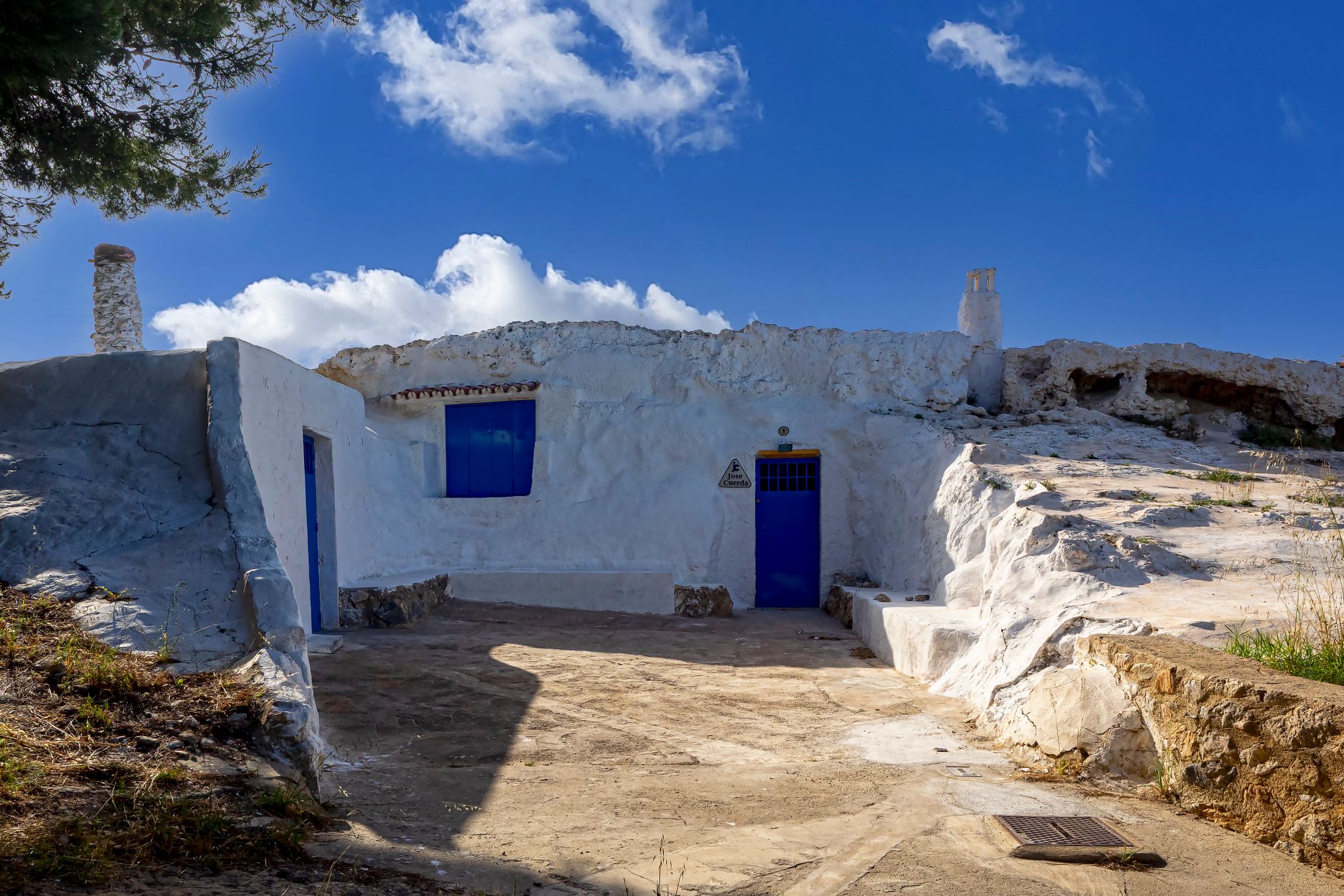
Non-hotel tourist accommodation in Spain - rural houses, tourist apartments, campsites and hostels combined - recorded more than 22.5 million overnight stays in July, up 0.9% from the same month last year, according to provisional figures from Spain's National Statistics Institute. The gain came despite a drop in nights booked by international visitors, meaning Spanish residents alone pushed the total higher.
Why domestic travelers carried the month
The statistics agency's provisional release credits the national market with the entire increase. Foreign overnight stays in these non-hotel categories fell in July, though the agency has not yet broken out by how much - that detail typically arrives when the final monthly figures replace the provisional set. For now, the headline number hides a shift in who is actually filling these beds: fewer overseas guests, more Spanish ones booking closer to home.
That matters because tourist apartments and rural houses have leaned harder on international demand than hotels have in recent years, particularly in coastal and island destinations. A July where the growth came entirely from domestic bookings suggests operators who built their calendars around foreign arrivals had a softer month than the headline 0.9% implies, offset by hosts who picked up Spanish guests instead.
What this means for tourist apartment operators
Tourist apartments make up the largest single slice of Spain's non-hotel accommodation count, so this is largely their story. Operators whose booking mix skews international should treat the domestic uptick as a cushion, not a trend they can rely on twice. Those who already work both channels - a Spanish repeat-guest base alongside platform bookings from abroad - are the ones the July numbers actually flatter.
The provisional nature of the data is worth flagging on its own. INE routinely revises these monthly releases once fuller reporting comes in from accommodation providers, and July's international figures in particular have room to move once the final count lands. Operators watching occupancy trends into August and September should treat this month's release as a first read, not the final word.
The wider seasonal context
July's result follows a pattern seen across parts of southern Europe this summer, where regulatory pressure on rentals in cities like Barcelona and the Canary Islands has coincided with softer inbound demand even as domestic travel holds up. Spain's non-hotel sector isn't shrinking - it grew - but the composition of who is booking those stays looks different than it did a year ago, and that shift is likely to keep showing up in the data through the rest of the season.
Newsletter