Self-Check-In Won't Exempt Italian Hosts From Police Reports

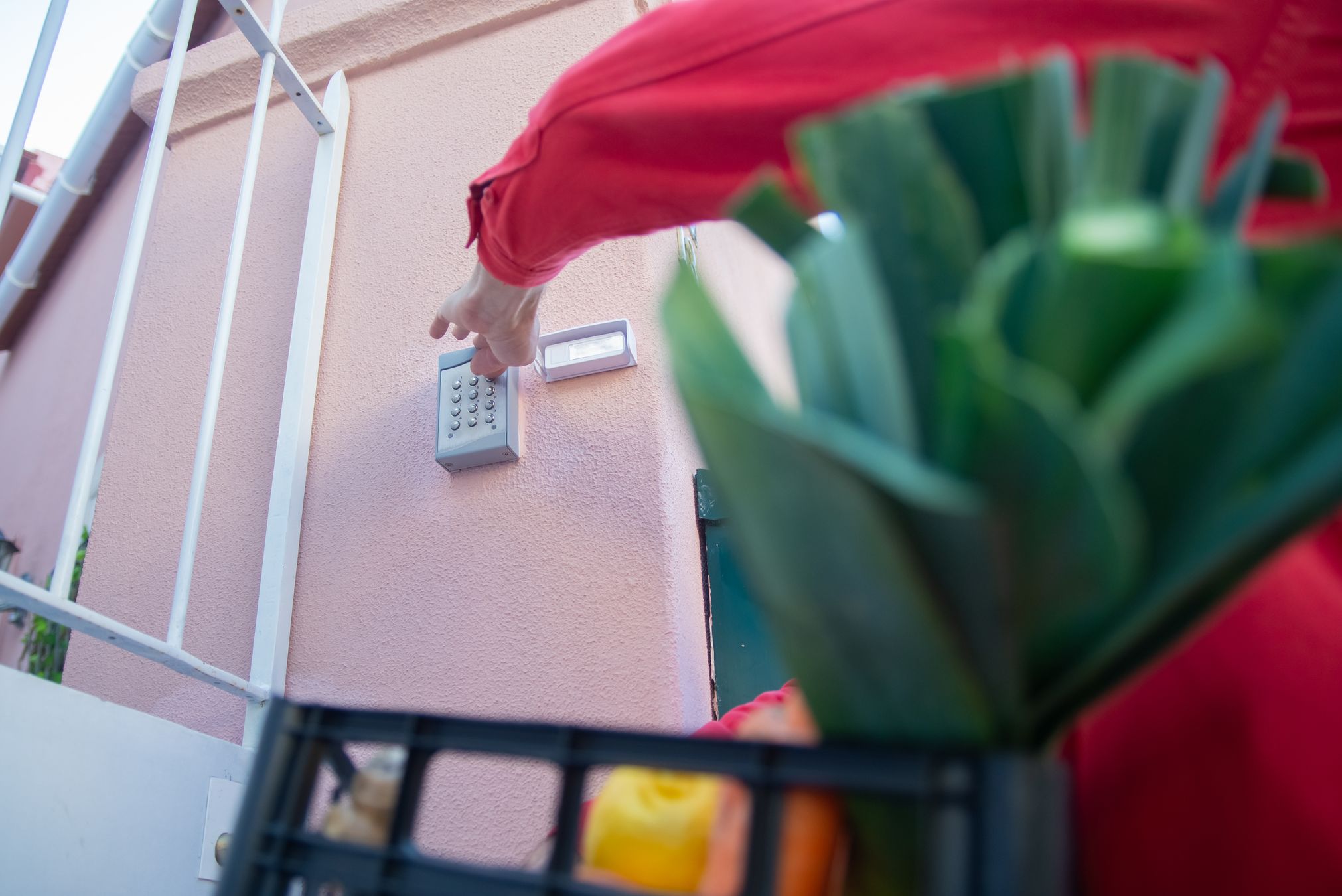
A national association representing Italian B&B and short-term rental operators has published guidance walking hosts through the choice between automated check-in and meeting guests in person. The practical point buried in the advice matters more than the comparison itself: whichever method a host picks, Italian law still requires that guest identity documents be collected and reported to local police within 24 hours of arrival, and a smart lock does not change that.
Why unattended check-in doesn't remove the paperwork
Under Italy's public security code, anyone renting out accommodation, from a one-room B&B to a full villa, has to submit each guest's ID details through the Alloggiati Web portal run by the national police within a day of check-in. That obligation predates the rise of keyless entry by decades and was written for front-desk hotels. It was never suspended for hosts who hand over access with a lockbox code or a smart lock app instead of a handshake.
Operators who move to self-check-in sometimes treat it as a chance to strip out friction entirely, skipping ID capture until a guest happens to volunteer it, or not asking at all. The guidance is a reminder that this shortcut creates real exposure: local questure can and do check for late or missing filings, and penalties apply per booking, not per property. Automating the door does not automate the compliance step behind it.
What the guidance recommends for small operators
The association's advice is to build ID collection into the booking flow itself, before the guest ever reaches the property. That means requesting a passport or ID card upload at the time of reservation or during pre-arrival messaging, rather than leaving it to whoever happens to be on-site. For hosts who still check guests in personally, the same document collection can happen face to face, but the paperwork deadline is identical either way.
The broader recommendation is a hybrid setup rather than an all-or-nothing switch. Self-check-in suits repeat guests, late arrivals and properties without staff on hand, but the guidance suggests keeping a person reachable, by phone or in person, for older guests, larger groups or anyone uneasy with a keypad and an instruction sheet. For small operators running one or two units, the labor savings from going fully unattended are real, but they come with the added step of front-loading identity checks that a front desk would otherwise handle on the spot.
None of this is new law. What has shifted is how many small Italian hosts are adopting keyless entry without checking whether their booking and messaging tools actually capture and store ID data in a form they can file on time. That gap, more than the check-in method itself, is what the guidance is trying to close.
Newsletter