Spain's August Tourism Record Skips the Islands

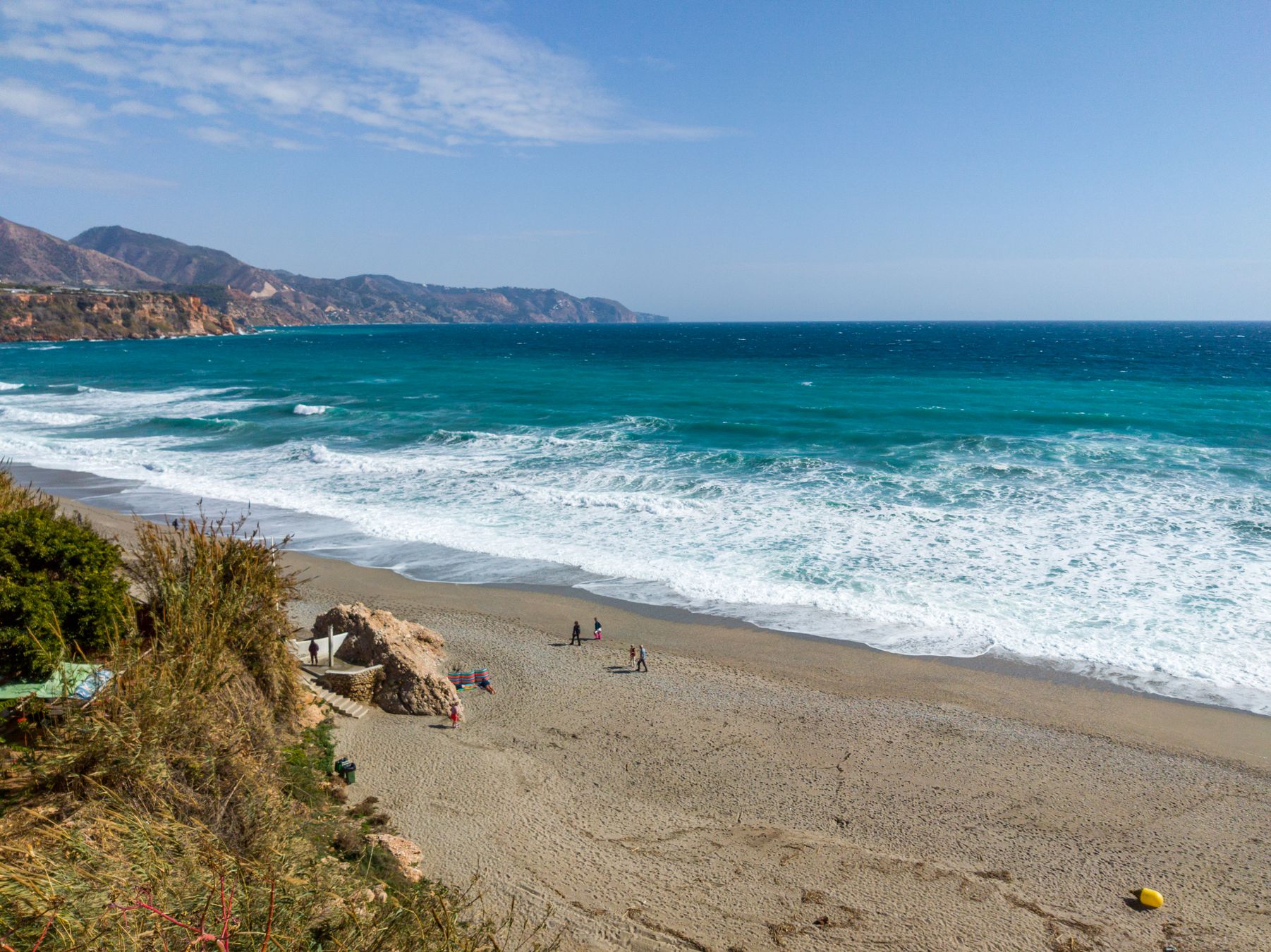
Spain posted its strongest August on record this year, and the growth did not spread evenly. Andalucía absorbed most of the new visitor volume, while the Balearic and Canary Islands, two of the country's biggest rental markets, saw arrivals hold roughly steady rather than climb. For operators, that split is now the story worth watching more than the national total.
Where the new demand landed
Andalucía's coast and inland cities picked up the bulk of August's extra visitors, spread across the Costa del Sol, Cádiz province and Seville. The region has fewer of the licensing bottlenecks that now define the islands, and airlines have kept adding capacity into Málaga and Seville over the past two seasons. That combination let new short-term rental supply come online roughly in step with demand, something the Balearics and Canaries can no longer do easily.
Why the islands stayed flat
The Balearic Islands have operated under a hard cap on tourist rental licenses since the regional tourism law tightened zoning rules, and Ibiza's town halls have kept enforcing it; Sant Josep has sealed unlicensed apartments as recently as this year. The Canary Islands have seen a string of municipalities freeze new tourist registrations amid housing-access protests. Both regions can still fill the beds they already have licensed, which is a different thing from growing. Mallorca's own occupancy figures into September show demand holding rather than expanding, which tracks with the August pattern.
What this means for operators
Hosts operating in Andalucía should expect the competitive set to keep growing, since the regulatory path to a new listing is still comparatively open there. That means pricing discipline matters more as supply catches up with demand. Hosts in the Balearics and Canary Islands face the opposite problem: a licensed unit there is now a scarcer asset, which should support rates for existing operators, but anyone hoping to add inventory in those markets is running into a ceiling set by local government rather than by demand.
None of this points to a slowdown in Spanish tourism overall. It points to a country where growth is increasingly routed around its most constrained markets rather than through them, and where the regulatory map now matters as much as the flight schedule when deciding where to expand a portfolio.
Newsletter