Conwy and Anglesey Drop Visitor Levy, Gwynedd Delays

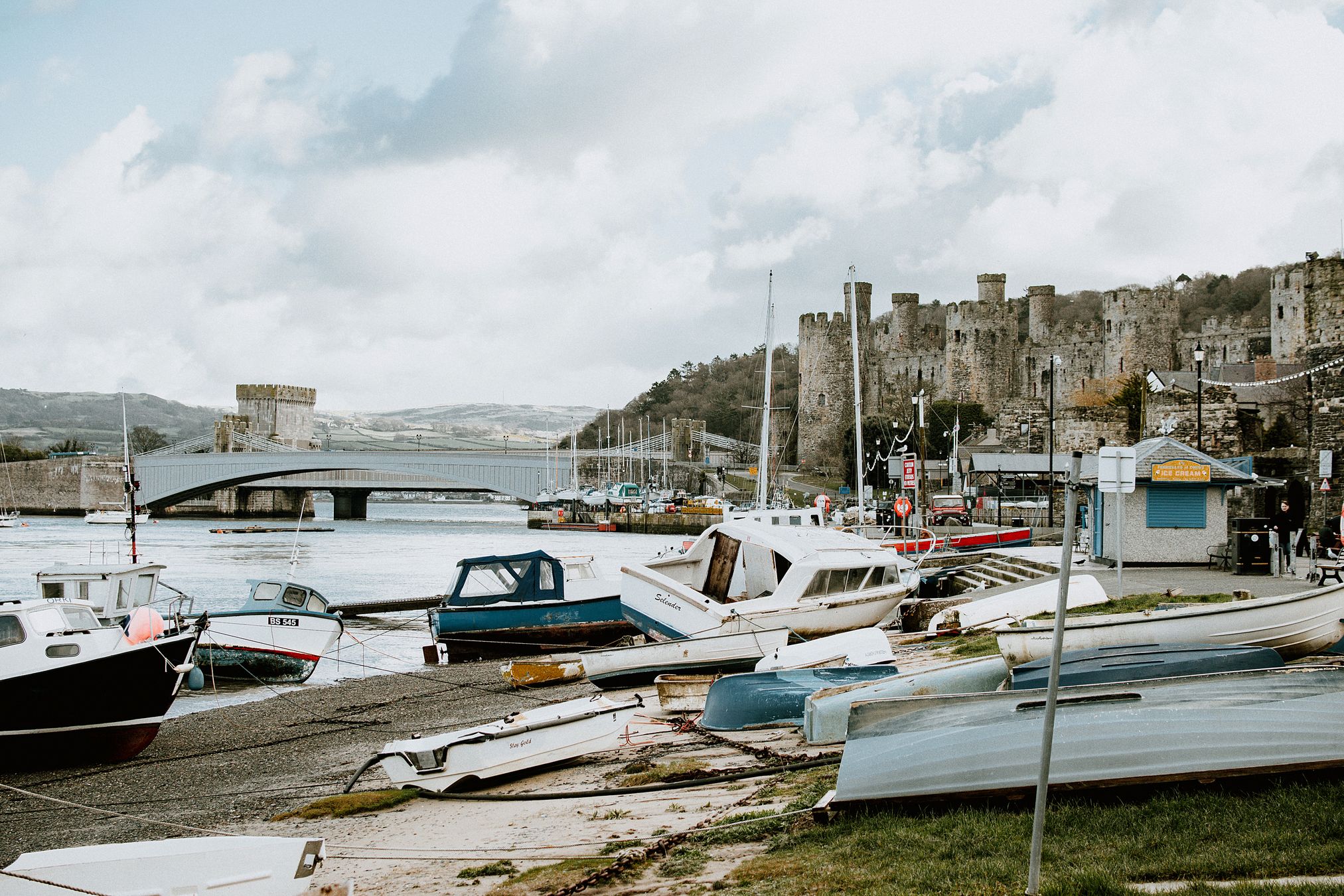
Conwy County Borough Council and the Isle of Anglesey have both decided against introducing a visitor levy at this stage, while neighboring Gwynedd has postponed its own decision to give officials more time to review what came back from public consultation. For short-term rental hosts and property managers across North Wales, that means no new per-night charge lands on bookings in these three areas for now, though none of this rules out a levy returning to the table later.
What the levy would have required
Wales passed legislation allowing individual local authorities to opt into a visitor levy, rather than imposing one nationally. Under that framework, each council decides for itself whether to charge, at what rate and when to start, with the earliest levies not expected to take effect before 2027. That structure means North Wales hosts have faced a patchwork prospect from the start: a guest staying in Llandudno could end up paying a different rate, or none at all, compared with a guest a short drive away in Gwynedd.
Why Gwynedd wants more time
Gwynedd council has not rejected the idea. It has simply said it needs longer to work through the responses gathered during its public consultation before committing either way. That leaves the county's hosts and agencies in the same holding pattern they have been in since the consultation closed: no rate to plan around, no start date to budget for, and no certainty about which direction the council will eventually take.
What this means for operators right now
Nothing changes immediately for bookings in Conwy or Anglesey, and operators there do not need to adjust pricing, disclosures or booking terms for a levy that is not happening at this stage. Gwynedd hosts are effectively in a holding pattern too, with no charge to collect and no system to register for until the council finally decides. The practical takeaway is to keep an eye on Gwynedd's next move rather than Conwy's or Anglesey's: those two have made their call for now, but Wales's opt-in model means any other council, including these three, could revisit the question once it sees how levies play out elsewhere in the country.
Newsletter