Napa Operator Skips Airbnb, Books 36 Estates Direct at $1,295 a Night

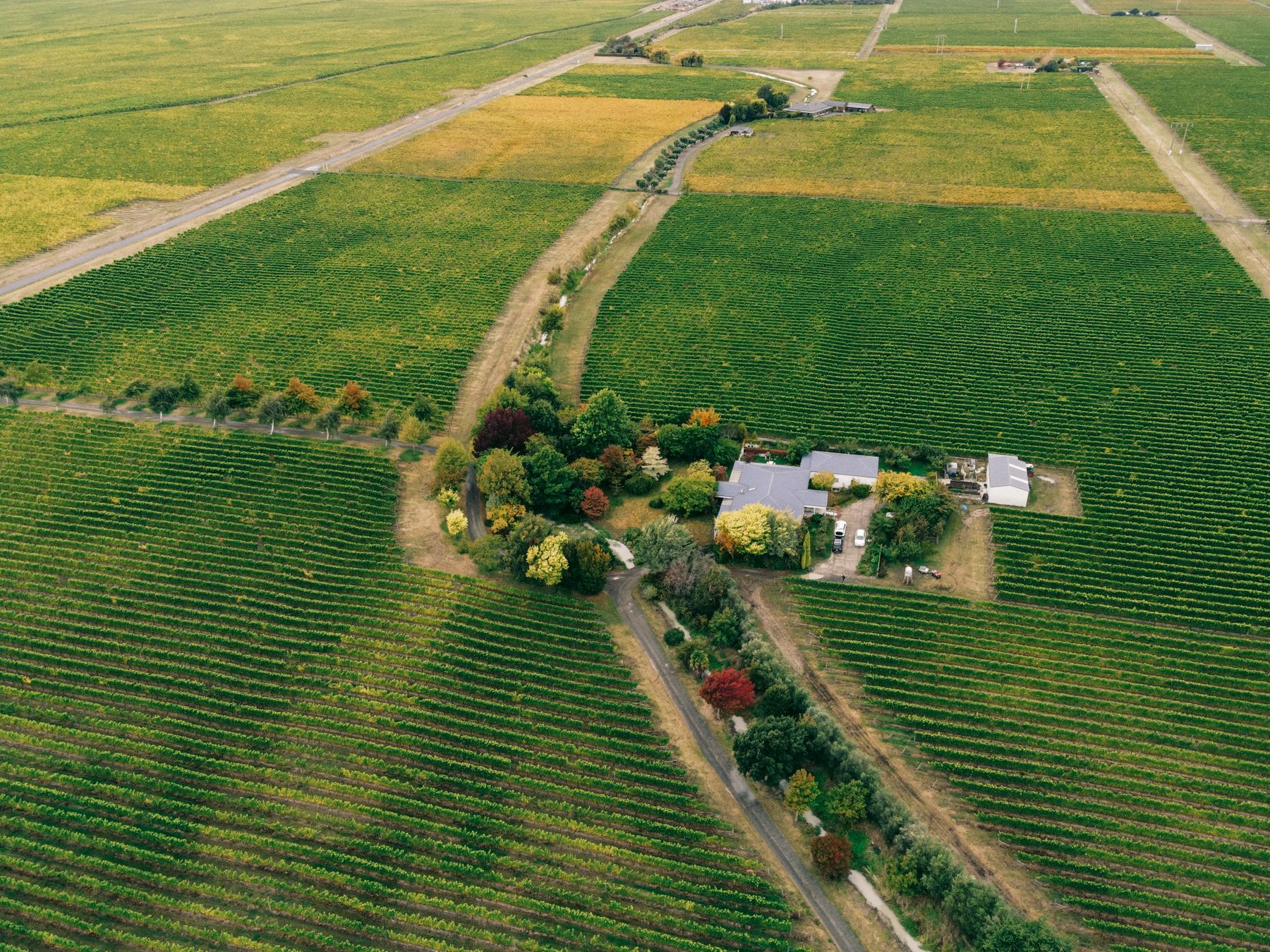
A boutique rental operator working Napa and Sonoma counties has taken all 36 of its high-end estate rentals off Airbnb and Vrbo, routing every booking through its own website and phone line instead. Nightly rates average $1,295. No OTA listing, no OTA commission, no OTA guest data going to a third party.
Why direct-only pencils out at this price point
The math changes once the nightly rate clears four figures. Airbnb's combined host and guest service fees, plus Vrbo's comparable structure, typically land somewhere in the mid-to-high teens as a share of the booking total. On a $200-a-night condo that's real money but survivable. On a $1,295-a-night estate, it's $200 or more per booking handed to a platform for traffic the operator increasingly believes it can generate itself through repeat guests, referral networks and paid search aimed at people already planning a wine country trip.
Running three dozen properties without an OTA safety net also means the operator controls the guest relationship end to end: no platform message templates, no algorithm deciding which listing photo gets shown first, no risk of a delisting over a policy dispute. For a portfolio built on repeat corporate retreats, wedding parties and long weekends, that control has a value the commission line doesn't capture.
The tradeoffs a lower-ADR operator can't ignore
Going direct doesn't eliminate acquisition cost, it just moves it onto the operator's own books. Someone has to run the paid search campaigns, maintain the direct booking engine, answer the phone at 9pm when a guest can't find the gate code, and fill the shoulder-season nights that Airbnb's search algorithm would otherwise surface to a browsing traveler with no brand loyalty at all. That works when the average stay already clears a thousand dollars and the guest is booking a wine country weekend specifically, not comparison-shopping a metro apartment against six others in a map view.
For an operator running sub-$300-a-night units in a market where guests default to OTA search because they don't yet know which brand to trust, cutting the platform loose is a much harder bet. The commission that stings on a luxury estate is the same commission that, on a cheaper unit, buys distribution an independent site can't easily replicate.
What it signals for the luxury segment
This is one operator, not a trend line, but it fits a pattern showing up elsewhere in the high-ADR end of the business: portfolios large enough to justify their own marketing spend and distinctive enough to earn repeat direct traffic are testing how much of the OTA relationship they actually need. Where that experiment lands depends on whether the direct booking volume holds up outside peak harvest season, when Wine Country demand is at its most reliable and least dependent on any single platform's search traffic.
Newsletter