Behind Airbnb's Lark Deal: Five Brands, Sub-150-Room Hotels

The number attached to Airbnb's distribution agreement with Lark is more than 75 hotels, but the more revealing figures sit underneath it. Lark oversees five brands and a collection of close to 100 independent hotels across the United States and Mexico, almost all of them under 150 rooms, and it is the US portion of that portfolio that is being onboarded.
A portfolio built for a design-led guest
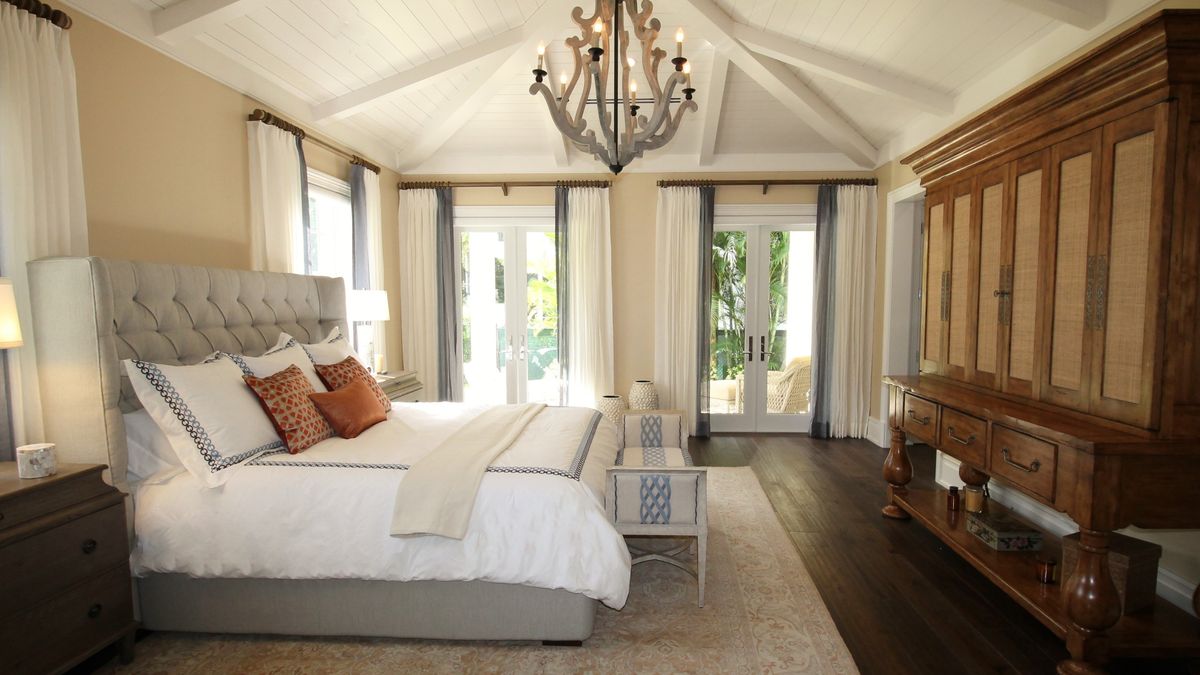
Lark was assembled around experiential, design-driven properties with independent ownership, growing out of a single New England purchase into a network that now supports owners who want the operational support of a group without the sameness of a flag. That profile is the reason the deal exists. Small-format hotels with distinctive interiors read to guests less like a chain booking and more like the characterful stay that platform travellers already search for, which is precisely the overlap Airbnb has been trying to widen as it courts boutique operators.
What the operator gets out of it
The framing from Lark's side has been about channel mix rather than volume: access to a demand pool that skews toward travellers hunting for distinctive stays, added alongside existing direct and hotel-channel business rather than replacing it. For independent owners, a diversified channel spread is a hedge against a soft season on any single source, and a platform audience that already values character over consistency is a better fit for a 40-room property than a mainstream hotel aggregator.
Where it lands for hosts and managers
Mexico properties are outside the initial scope, so the competitive effect is confined to US markets where Lark operates, concentrated in New England and a handful of other regions. In those towns, search pages gain a set of results with professional photography, staffed check-in and hotel-standard cancellation terms. That does not displace whole-home demand for groups or longer stays, but it does add pressure on one- and two-bedroom listings marketed as weekend city breaks, where a boutique room at a comparable nightly rate is a genuine substitute.
The unanswered parts
Commission terms, contract length, the rollout order across markets and whether comparable agreements with other independent groups are in progress have not been disclosed. Distribution deals of this kind are also routinely renewed or discontinued without announcement, so the practical planning assumption is that the supply is present in affected markets for now, not that it is permanent.
Newsletter