EU Drops Border Queue Safety Valve on September 7

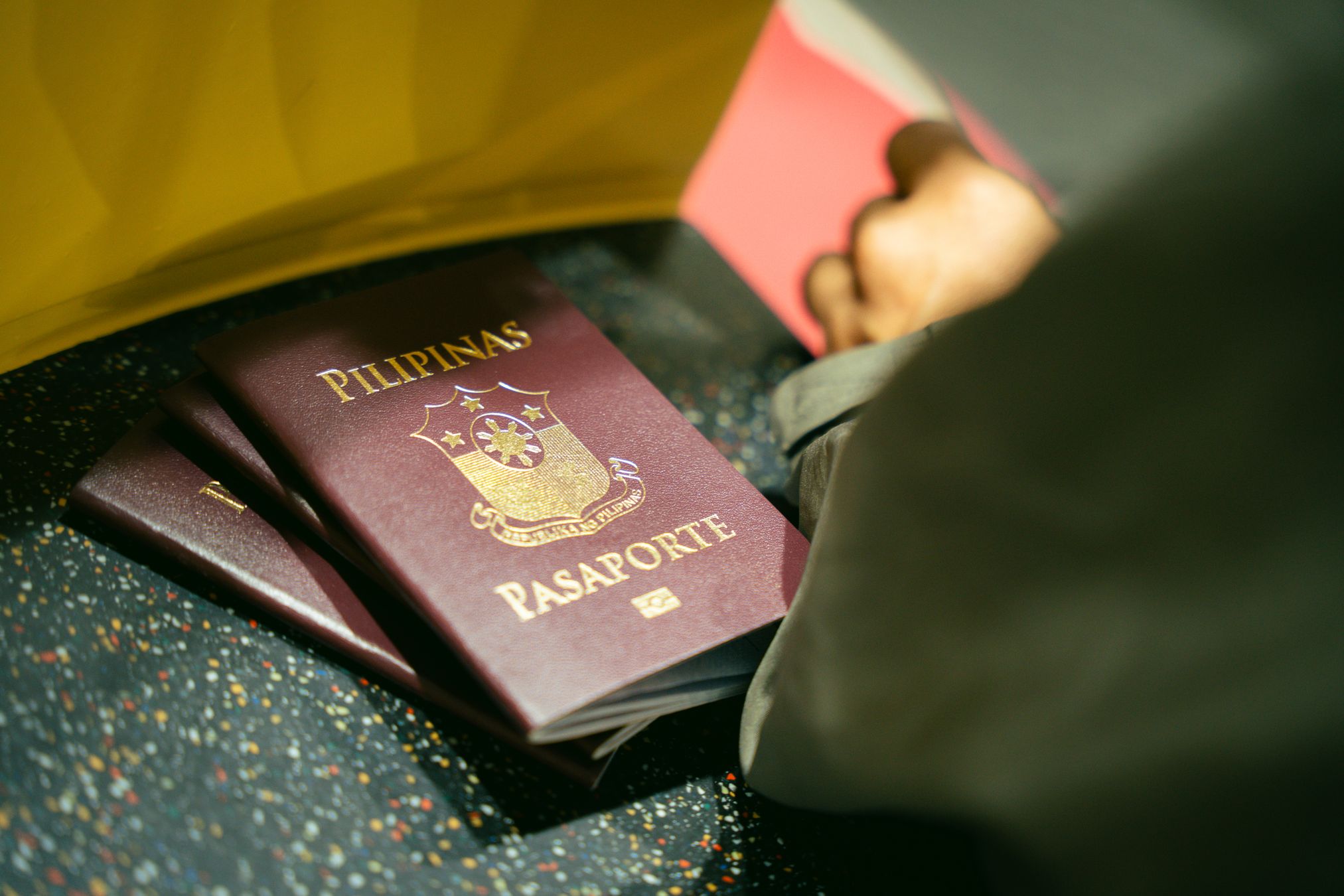
Starting September 7, European border officers can no longer pause biometric checks on non-EU arrivals just because a line is getting long. From that date, every traveler from outside the EU crossing an external Schengen border has to go through full fingerprint and facial-image enrollment in the bloc's Entry/Exit System, regardless of how backed up the queue gets.
The Entry/Exit System, known as EES, began rolling out on October 12, 2024. It replaces the old manual passport stamp for visitors from the United States, United Kingdom, Canada and other non-EU countries with a biometric record: fingerprints and a photo captured the first time someone crosses, then checked automatically on later trips. Member states were given a phase-in window of up to six months, extendable to a year at some land crossings, to bring the system online gradually. Built into that transition was a fallback: if a checkpoint saw an unusual surge in arrivals and wait times spiked, officers could temporarily drop back to manual checks rather than force everyone through slower biometric enrollment. That fallback expires September 7.
Why arrival times matter for hosts
Guests arriving from outside the EU are now the ones exposed to whatever happens at passport control, and first-time EES enrollment already takes longer than a stamp in a passport - officials have cited a few extra minutes per traveler, more at busy hubs. Airports and land borders in Spain, Italy, France and Greece that see heavy end-of-summer and autumn arrivals from the US and UK are the likely pressure points. Hosts relying on tight check-in windows, especially self-check-in properties timed around flight schedules, should assume some non-EU guests will land later than planned and build in a buffer rather than treat a stated arrival time as fixed.
Where the pressure is likely to show first
Land borders and cross-Channel routes into France, plus major Mediterranean airports handling connecting flights from North America and the UK, are the crossings most likely to see queues lengthen once officers lose the option to wave people through on manual checks. Property managers with guests transiting these points - Barcelona, Palma, Malaga, Rome, Paris - have a narrow window before the September 7 deadline to update check-in messaging: flag that immigration lines may run long for non-EU arrivals, and give a phone number or late-arrival instructions instead of a hard cutoff time.
None of this changes what hosts charge or how they list a property. It changes when guests actually show up, and how much slack a check-in process needs to absorb that. Operators who ignore it are the ones fielding angry messages about locked doors at midnight.
Newsletter