Airbnb Party Rental Reignites Miami Condo Crackdown

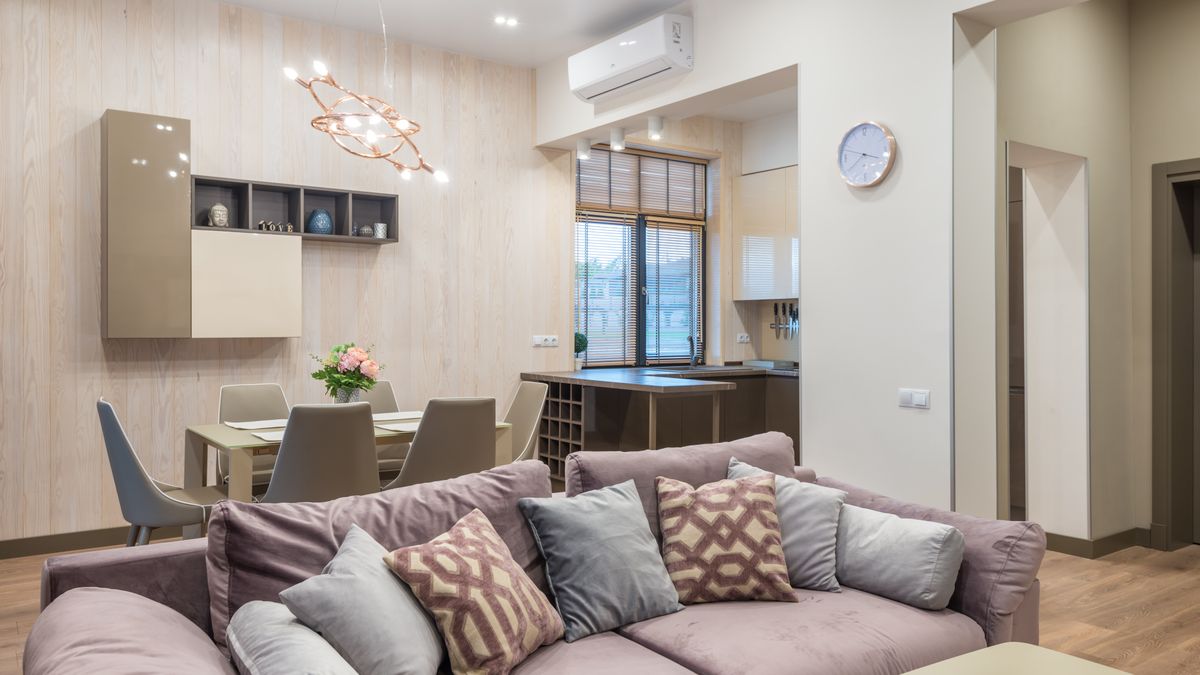
A short-term rental booked through Airbnb at a Miami condo building was reportedly used for a party well beyond what any host or platform policy would sanction, drawing complaints from residents and renewed attention from the building's association. The specifics of the gathering matter less than the pattern it fits: condo boards across South Florida have been using incidents like this one to justify tighter rules on short-term lets, regardless of what Airbnb's own terms say about unauthorized events.
For hosts and property managers operating inside condo associations, the practical exposure isn't Airbnb's party ban. It's the building's bylaws. Florida law limits how much cities and counties can restrict short-term rentals outright, but it does not touch what a condo association can write into its own governing documents. Associations can and do ban rentals under 30 or 60 days, cap the number of rentals per unit per year, or require board approval before a unit is listed at all. A single loud, chaotic booking gives a board the anecdote it needs to push those restrictions through at the next vote, even against owners who have never had a problem.
What condo boards can actually do about it
Boards can fine the unit owner, not just the guest, and in Florida that fine can escalate quickly if the violation is treated as a continuing one rather than a single incident. Some associations have gone further, moving to suspend an owner's right to rent altogether for a set period after a documented violation, a power upheld in prior condo disputes when the restriction is properly recorded. None of this requires proving the host knew what would happen. Liability sits with the unit owner, and by extension with whoever is managing that unit's calendar.
Airbnb's anti-party policy, which caps most reservations at 16 guests and blocks some one-night weekend bookings in flagged areas, is enforced against the booking, not the building. It does nothing to stop a condo association from acting independently, and it offers no protection to an owner facing a fine or a rental suspension under the building's own rules. Hosts who assume platform policy and condo policy are the same thing are the ones who end up blindsided.
What this means for hosts running condo units
Anyone managing a unit inside a condo association needs the current bylaws in hand, not a summary from two years ago, since boards amend rental restrictions more often than owners tend to notice. That means checking guest caps, minimum stay rules, and any pre-approval process before accepting a booking that falls outside the platform's own screening. Some managers handle this by running direct bookings through their own site, using something like a dedicated booking website to apply their own guest verification and house rules on top of whatever the OTA requires, rather than relying on Airbnb's guest history alone.
Screening tools help, but no verification system stops a booked guest from inviting fifty more people once the door is unlocked. The condo board doesn't care whose policy was violated. It cares whether the unit caused a problem, and it will use every incident like this one to argue for tighter rules at the next annual meeting.
Newsletter