Shrinking Towns Start Wooing Short-Term Rental Hosts

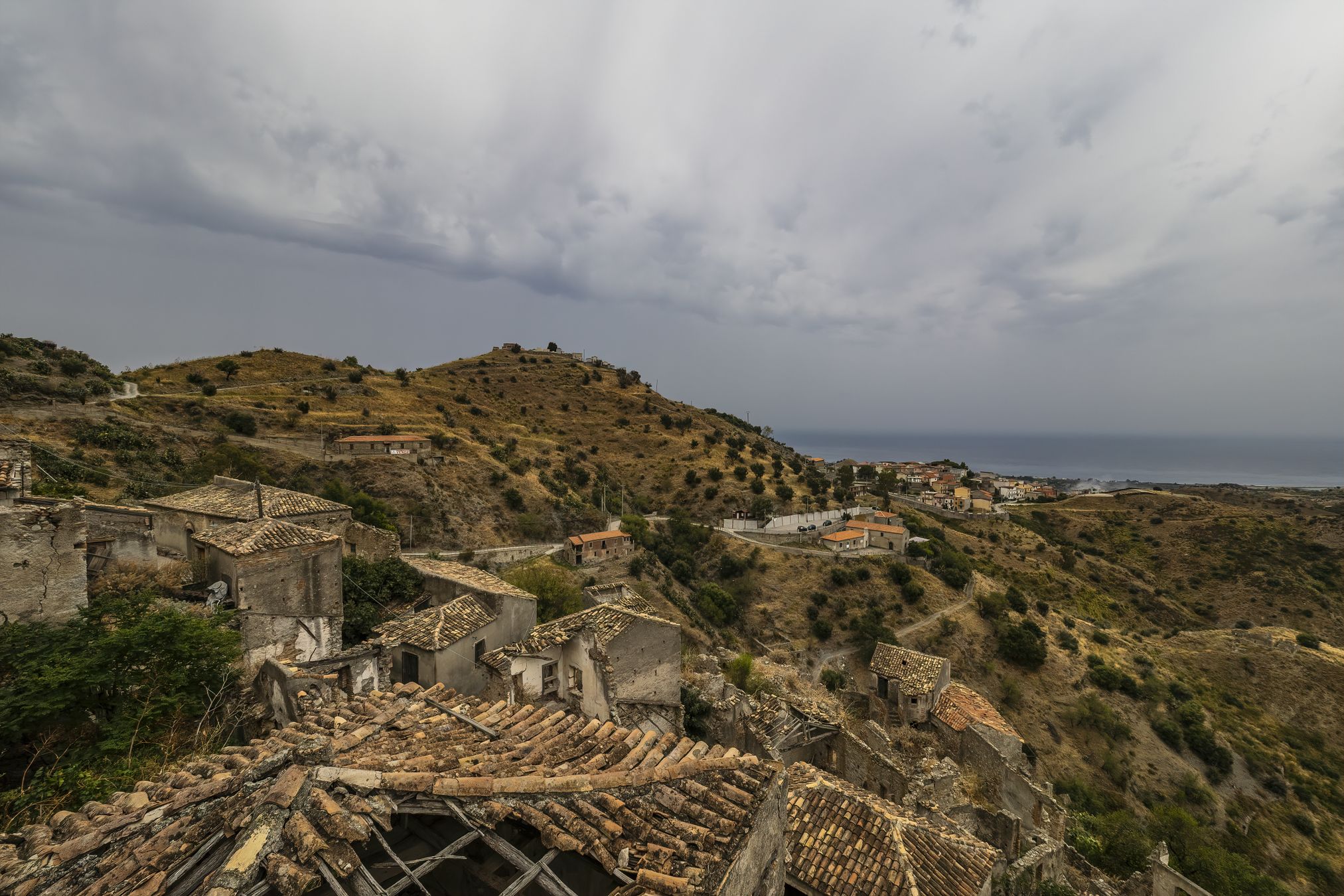
Most short-term rental regulation of the last decade was built to solve one problem: too many tourists competing with residents for a fixed, shrinking supply of homes. In a growing number of regions, the opposite problem is now showing up on the balance sheet. Population is falling, housing stock is sitting empty, and a vacation rental starts to look less like a threat to the local housing market and more like the only thing keeping a property occupied and generating any income at all.
The regulatory playbook everyone knows - license freezes, caps on registrations, outright bans in city centers - assumes demand for housing outstrips supply. Barcelona's freeze on new tourist apartment licenses and New York's registration regime under Local Law 18 both rest on that premise. It does not hold in a town that has lost a third of its working-age population over two decades and has more vacant houses than buyers.
Where the population math runs backward
Rural Japan has an estimated stock of millions of abandoned or vacant homes, known as akiya, concentrated in prefectures losing residents to Tokyo and Osaka. Inland Spain has its own version, often called España vaciada, where entire provinces have shed population for a generation while housing stays put. Italy's interior hill towns, especially across Sicily, Molise and Abruzzo, have spent years selling off vacant homes for symbolic sums just to keep buildings from collapsing into disrepair. Parts of the American Rust Belt and the Great Plains sit in the same position: housing stock built for a population that has since left for other states.
In these places, a short-term rental does not subtract a unit from the local housing market, because there was never enough local demand to fill it as long-term housing in the first place. It puts a roof back into use, brings in visitor spending a shrinking town otherwise would not see, and gives a reason to keep a building maintained rather than boarded up.
What this changes for operators scouting new markets
Depopulating regions are starting to treat rental operators as an asset to attract rather than a nuisance to cap, which means the terms on offer can look very different from a saturated coastal market. Some local governments have paired vacant-home sales with renovation grants or reduced property taxes, aimed at getting outside buyers to take on the building work. That can mean cheap inventory and a genuinely receptive local authority - a rare combination in this industry.
It also comes with the risks that made the housing cheap to begin with. Thin, seasonal tourist demand does not disappear just because the housing does. Fewer year-round residents usually means fewer flights, fewer restaurants, fewer contractors on call for a burst pipe in January, and a shrinking pool of local staff to clean and manage a property. An operator buying into these markets is betting on tourism demand materializing in a place the working-age population has already voted against with its feet.
The same national rules still apply
National and regional STR frameworks rarely distinguish between a scarcity market and a surplus one. A host in a depopulating province can still face the same registration paperwork, tourist tax collection and safety inspection regime designed for a city fighting over housing stock, even where the local government would rather see the property occupied by anyone at all. Until rulemakers start writing rules for shrinkage as well as scarcity, operators in these markets are stuck complying with a framework built for a problem they don't have.
Newsletter