Plainfield, NJ Floats Third Rental Rule, Caps Nights at 310

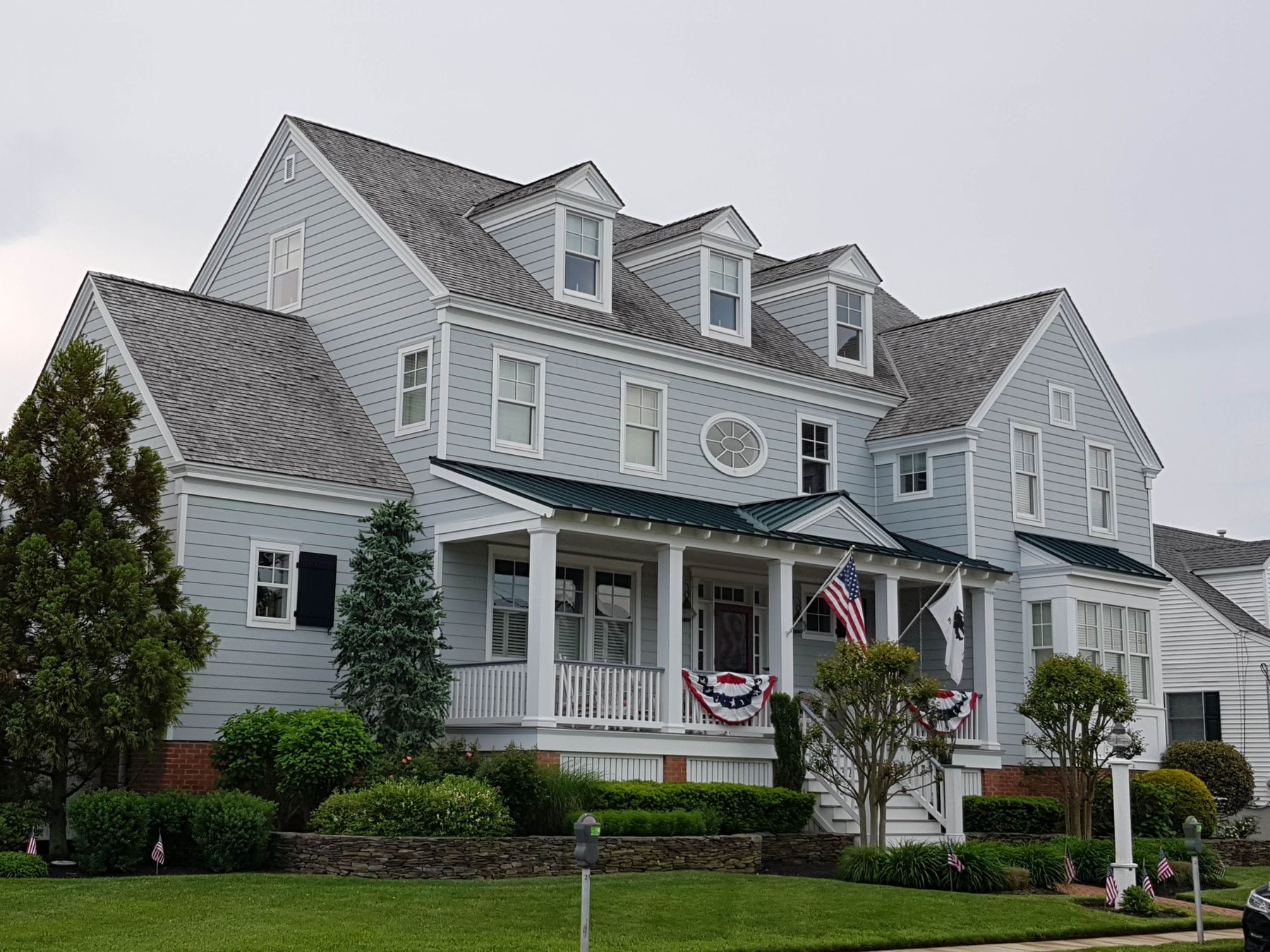
Plainfield, New Jersey, is back at the drafting table on short-term rentals for the third time since late last year, this time proposing a 310-night annual cap instead of the tighter limits that sank the first two attempts. The city council has not yet voted on the new version, so hosts currently operating in Plainfield are still working without a settled rulebook.
What the 310-night cap actually allows
Under the draft now before the council, a host could rent a property on a short-term basis for up to 310 nights a year, leaving a 55-night gap that would presumably require the unit to sit vacant or shift to long-term occupancy. That is a markedly looser number than the caps floated in the two earlier drafts, both of which failed to clear the council amid pushback from residents and, in at least one round, from hosts who argued the restrictions would have made short-term letting commercially pointless in the city.
A 310-night ceiling is loose enough that, for most operators, it would barely bind. Few individual short-term rentals achieve anything close to 310 booked nights in a year once seasonality, gaps between bookings and maintenance time are accounted for, so a cap set that high reads less as a restriction on how much a host can earn and more as a mechanism to prevent a unit from operating as a full-time, 365-day commercial hotel. That is a meaningful distinction: it signals a council trying to preserve the residential character of a property while still permitting genuine short-term rental use, rather than one trying to squeeze the activity out. For hosts, a cap this high is close to the best realistic outcome of a regulatory process that was always going to end in some limit.
Why Plainfield keeps rewriting the rule
Ten months and three drafts is a fast cycle for a single mid-sized New Jersey municipality, and it points to a council still negotiating basic terms: how many nights are allowed, what registration looks like, and how enforcement gets funded. Plainfield has not disclosed how many active short-term listings it has within city limits, so it is unclear how directly any given draft would bite. What is clear is that hosts have had no durable set of rules to plan around since the first proposal surfaced, which makes it difficult to commit to bookings, financing or even a consistent listing calendar.
The repeated redrafting also tells operators something useful about the balance of forces on the council. Two stricter drafts failing, followed by a markedly looser third, suggests the votes are not there for an aggressive crackdown, and that the council is converging toward a compromise that hosts can live with rather than a prohibition. That is a more favourable trajectory than many host communities get, but the instability has a real cost in the meantime: a business cannot plan confidently around rules that have changed twice and could change again, and the uncertainty itself suppresses the kind of multi-month booking and investment decisions that a settled framework would support.
What operators should do now
Nothing in Plainfield is final. The 310-night figure is a proposal, not a passed ordinance, and the city's recent track record suggests it could still change again before any vote. Hosts operating in or near Plainfield should treat the current draft as a signal of direction rather than a compliance deadline, keep an eye on the council's calendar for a scheduled vote, and avoid assuming the 310-night number will survive in its current form. If it does pass close to its current shape, the practical preparation is minimal - registration and staying inside a generous night cap - but the registration and enforcement mechanics are the parts still worth watching, since those determine the actual administrative burden more than the headline number does.
Property managers with listings across multiple New Jersey towns should also note that municipal rules here are being set locally, ordinance by ordinance, with no statewide framework overriding them. A manager operating in several towns has to track each council separately, because a generous cap in Plainfield tells you nothing about what the next municipality will adopt. That fragmentation is the defining feature of the New Jersey market and the main reason multi-town operators have to build regulatory monitoring into their operations rather than treating it as an occasional task.
Newsletter