Mallorca Water Shortage Raises Alarm for Summer Rentals

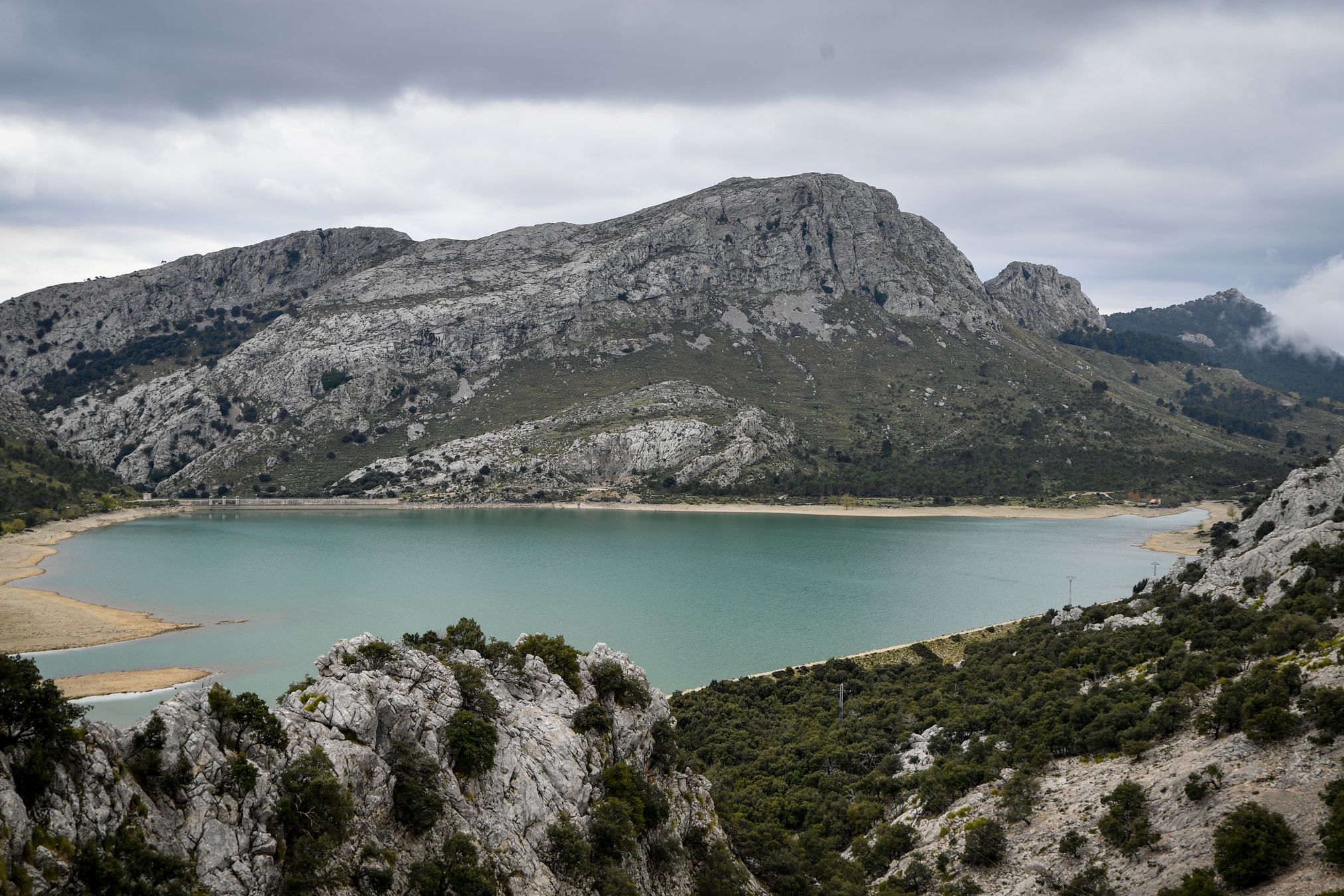
Spain's water crisis has stopped being a seasonal worry that shows up in August headlines and started showing up on the books of hosts and property managers, according to a new warning from Greenpeace Spain. The group says reserves that normally accumulate over the winter months have already been drawn down by rising temperatures and consumption, with the Balearic Islands and parts of northern Spain singled out as the most strained. In Mallorca specifically, the organization says water resources have declined, a reversal from the island's usual pattern of stocking up rain and snowmelt before the tourist season even starts.
Why Mallorca and the north are the flashpoints
Mallorca has spent years managing summer demand that can run several times higher than its resident population would require, largely through aquifers and desalination. Greenpeace's warning suggests that buffer is thinner than usual this year, with winter rainfall failing to offset what's already been consumed by early heat. Northern Spain's inclusion is the more unusual detail: regions like Galicia, Asturias and Cantabria have long been considered Spain's wet counterweight to the drought-prone south and east. Greenpeace's assessment implies that distinction is eroding, which matters for any operator who assumed a rainier region meant water security was someone else's problem.
What this means for hosts and managers this summer
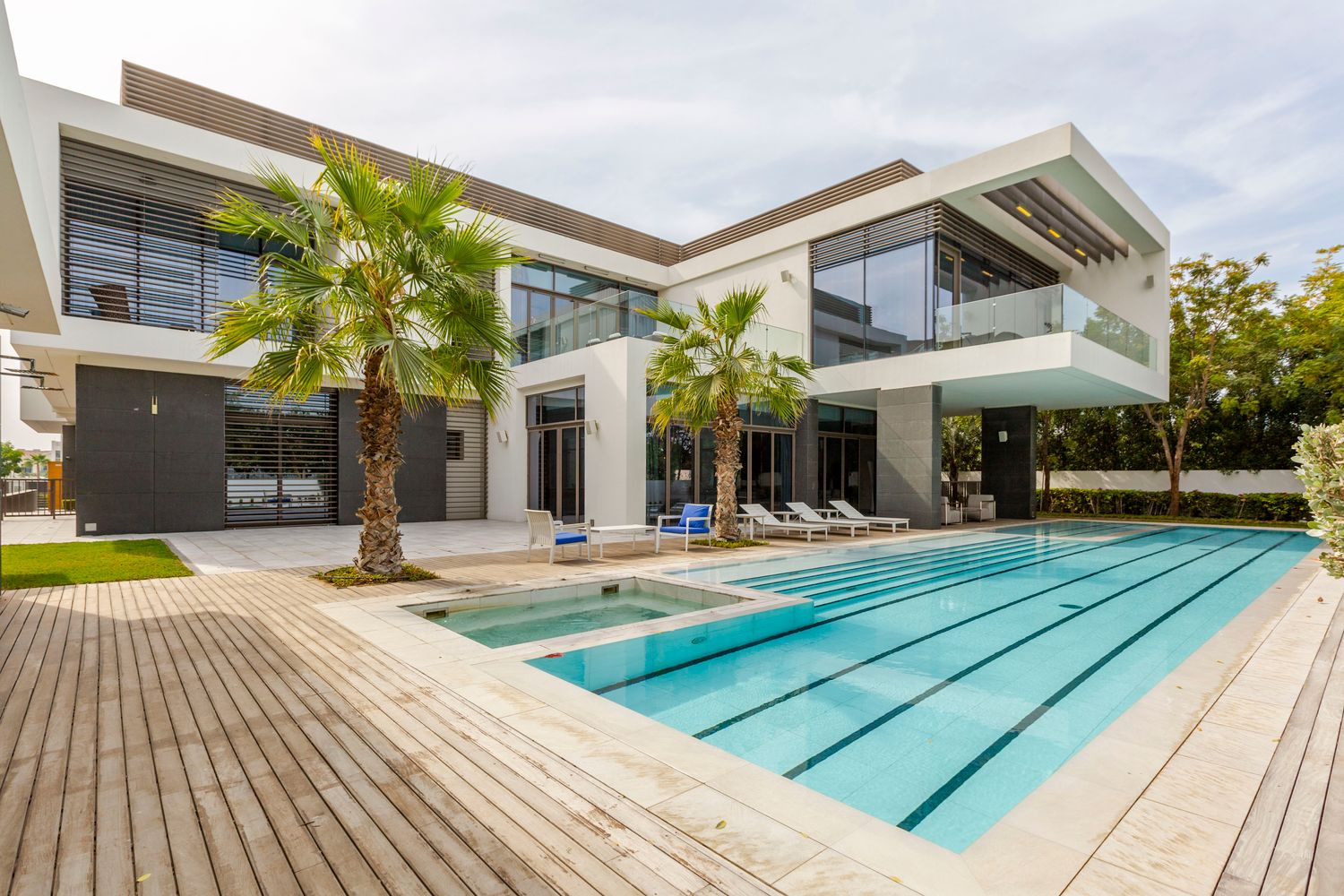
Balearic municipalities have restricted pool refilling, garden watering and car washing during past dry spells, and some hotels and rental properties on the islands have faced pressure to cap water use per guest. If reserves are already lower than normal before peak season, similar restrictions become more likely, not less. Operators running properties with private pools, especially newer builds marketed on that amenity, should check with local authorities now rather than in July, when restrictions tend to arrive with little notice. Guests who book a villa expecting an unrestricted pool and garden are not a group that responds well to surprises mid-stay.
The longer-term exposure for licensing and new supply
Several Balearic and mainland municipalities have already tied new tourist accommodation permits to water and infrastructure capacity, and a tighter supply picture gives local governments more grounds to slow or freeze new licenses rather than expand them. Operators with pending applications in water-stressed areas should treat this as a live risk factor, not a formality. For managers already operating, the more immediate task is practical: know the local rules on outdoor water use, brief cleaning and maintenance staff on any restrictions, and be ready to explain to guests why the pool schedule or garden watering has changed, before a bad review does it for you.
Newsletter