Why Short-Term Rental Hosts Are Doubling Down on Instagram Ahead of 2026

As competition for traveler attention intensifies, short-term rental operators are increasingly treating Instagram as a core booking channel rather than a side project for brand awareness. A newly circulated set of marketing recommendations aimed at vacation rental owners lays out dozens of tactics for the platform, spanning profile optimization, short-form video, guest-generated content, and paid promotion, signaling that visual storytelling is becoming a standard part of hospitality marketing strategy heading into 2026.
Optimize Your Instagram Storefront
The guidance emphasizes that a property's Instagram presence should function less like a personal account and more like a mini storefront. Suggestions include using a business profile with clear contact options, a link-in-bio setup that funnels visitors toward booking pages, and a consistent visual identity across posts so that a scrolling user can recognize a listing's aesthetic instantly. For managers juggling multiple units, this kind of structured branding is presented as a way to build recognition across a portfolio rather than treating each property as an isolated listing.
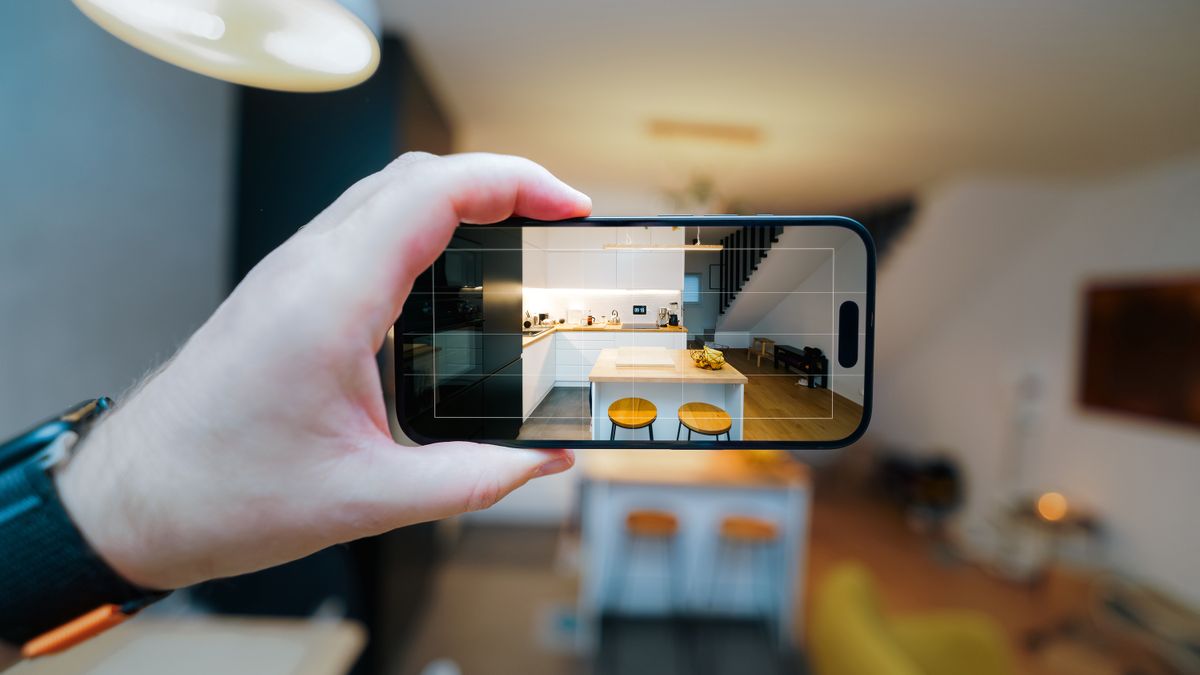
Short-form video remains the centerpiece of the advice. Reels showcasing walkthroughs, neighborhood highlights, and behind-the-scenes turnover moments are described as more effective at reaching new audiences than static photo posts, largely because of how the platform's algorithm favors video content in discovery feeds. Hosts are encouraged to think in terms of storytelling arcs, such as a morning-in-the-life sequence at a property, rather than simple listing photos repurposed from an OTA page.
User-generated content also features prominently. Encouraging guests to tag a property or share their own vacation clips is framed as a low-cost way to generate authentic marketing material while building social proof for prospective bookers who research a stay before committing. Reposting guest content, running small incentives for tagged posts, and responding to comments are all positioned as ways to strengthen the relationship between a property brand and the travelers who have already stayed there.
Paid Promotion Drives Direct Bookings
Paid promotion rounds out the strategy, with targeted ads suggested as a way to reach audiences beyond a host's existing followers, particularly for reaching travelers researching specific destinations or travel dates. The advice cautions that paid campaigns work best when they point to a direct booking path rather than simply driving traffic to a profile, reinforcing a broader industry push to reduce reliance on OTA commissions.
Social Media Lowers Acquisition Costs
For independent operators and small management companies, the emphasis on social media as a booking funnel carries practical weight. Guest acquisition costs on major booking platforms continue to draw scrutiny from owners looking to protect margins, and a well-run Instagram presence offers a way to build a repeat-guest pipeline and direct traffic that doesn't carry a per-booking fee.
Industry observers note that the shift toward video-first, guest-driven content also reflects changing traveler behavior, as more guests now discover destinations and accommodations through social discovery rather than search engines or OTA browsing alone. For property managers, that means marketing budgets and staff time may need to shift accordingly, with social content creation treated as an ongoing operational task rather than a one-off launch activity for new listings.
Primary source: Instagram for Business official guide to setting up a professional account.
Newsletter