Guests Are Sweeping Rentals for Hidden Cameras Before Check-In

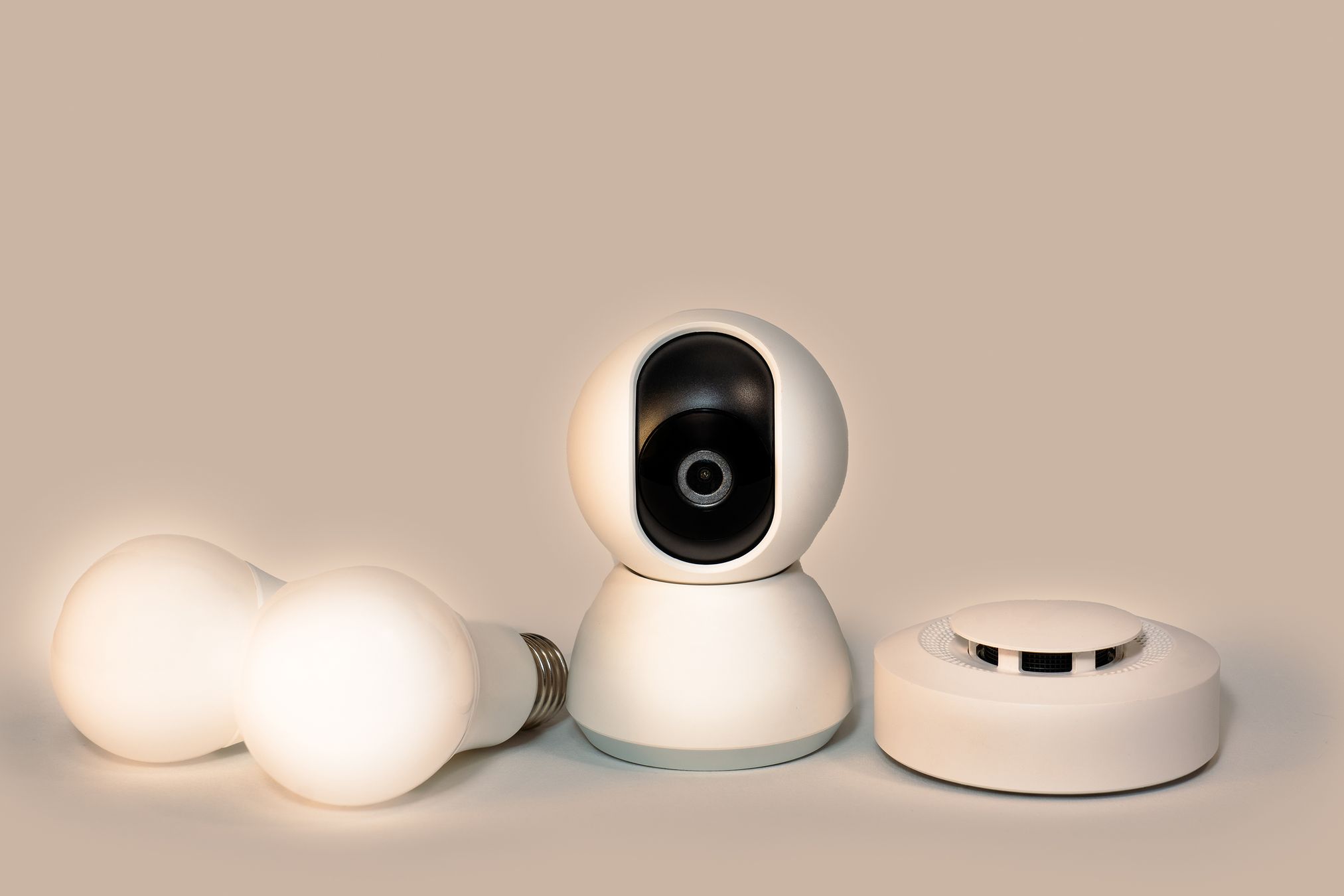
Travelers are arriving at short-term rentals with RF signal detectors, phone-based network scanners and flashlight tricks aimed at one thing: finding cameras a host didn't disclose. That shift raises the practical cost of getting Airbnb's surveillance rules wrong, since a guest who finds an undisclosed device now has the tools to prove it, document it and post about it before checkout.
What the platform rules actually require
Airbnb's policy is more specific than most hosts assume. Security cameras and other recording devices are banned outright in bedrooms and bathrooms, with no exception for disclosure. In common areas - living rooms, kitchens, entryways, outdoor spaces - a camera is allowed only if it's disclosed in the listing description before a guest books, not mentioned for the first time in a house-rules message after check-in. Hidden or disguised recording devices, meaning anything built into a smoke detector, alarm clock, charger or similar object, are prohibited everywhere on the property regardless of location or disclosure. Violations can lead to listing removal or account suspension, and Airbnb has said it investigates reports on a case-by-case basis rather than applying a blanket fine.
How guests are actually checking now
The methods circulating among travelers are low-cost and low-skill. RF detectors sold for $15 to $30 scan for the wireless signal a camera transmits. Network-scanning apps list every device connected to a rental's Wi-Fi, which can expose a smart camera a host forgot to mention. The flashlight method - sweeping a phone's camera and light across a dark room to catch a lens reflection - costs nothing and has been widely shared on social platforms. None of this requires technical expertise, and all of it turns a hidden device from a private liability into a public one the moment a guest decides to check.
What changes for hosts this week
Any host running a security camera, video doorbell or baby monitor at a listed property needs to confirm it's named explicitly in the listing text, not buried in a PDF house manual or a post-booking message. That includes doorbell cameras facing a shared entryway and any outdoor unit with audio recording, which several jurisdictions treat as a separate legal issue from video. Hosts managing multiple properties or working through property managers should treat this as a standing audit item: every device, every unit, checked against what the listing actually discloses before the next booking window opens, not after a guest raises it.
The reputational exposure is the bigger risk. A guest who finds an unlisted camera and posts about it rarely waits for a platform investigation to conclude before naming the property online, and that kind of story travels regardless of whether the device was ever active or whether the host intended to conceal it. For an industry already dealing with tighter local disclosure and registration rules in multiple markets, camera transparency is one compliance item hosts can fix immediately, with no permit application and no waiting period.
Newsletter