Chaffee County Trustees Again Delay Short-Term Rental Vote

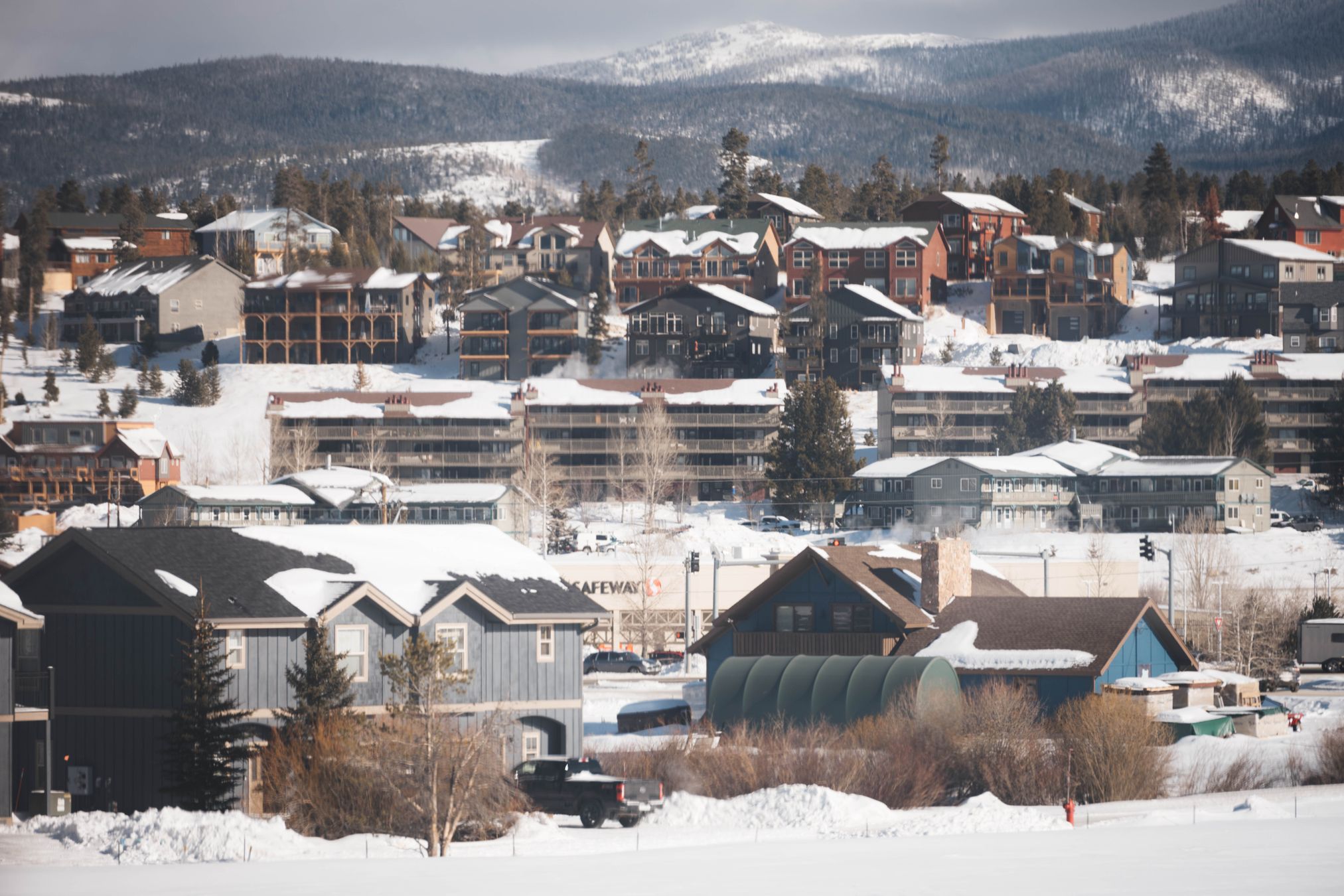
Trustees weighing new short-term rental regulations in Chaffee County, Colorado have again put off a final vote, according to local reporting on their most recent meeting. No date has been set for a decision, which means hosts in the county keep operating under whatever licensing and zoning rules are already on the books.
No firm timeline for a vote
The board has spent multiple sessions working through draft language on short-term rental oversight without reaching agreement on a final version. Officials have not indicated whether the holdup involves caps on rental numbers, licensing fees, zoning boundaries or some combination of the three. For operators, the practical effect is the same either way: nothing changes until trustees actually vote, and there is no public timeline for when that will happen.
Repeated delays usually mean a board is stuck on a genuinely contested provision rather than dragging its feet. In short-term rental ordinances the sticking point is most often a cap - a hard limit on how many permits the county will issue - because that is the clause that pits existing operators, would-be entrants, housing advocates and tourism interests against one another with no easy compromise. The longer the draft sits unresolved, the more likely the eventual version contains something contentious enough to be worth the fight, which is a reason for operators to pay closer attention, not less.
Why mountain counties keep circling back to this
Chaffee County sits in the Arkansas River valley below the Collegiate Peaks, a tourism corridor that has drawn steady vacation-rental growth alongside chronic shortages of housing for local workers. That tension is familiar across Colorado's mountain communities. Summit County and Eagle County have already moved through their own rounds of caps, licensing requirements and permit limits after years of public hearings, and both took multiple attempts to land on rules that stuck. Chaffee County's slower pace fits that pattern rather than breaking from it.
The underlying problem these counties keep running into is that the same housing stock serves two incompatible demands: nightly rentals that generate tourism income and tax revenue, and long-term units that house the workers those businesses depend on. Every permit that goes to a vacation rental is, in the framing local officials increasingly adopt, a unit not available to a year-round resident. That is why mountain-county rules tend to converge on restriction over time, and why a Chaffee County operator should plan for the direction of travel to be tighter, even if the timing stays uncertain.
What operators should do in the meantime
Hosts currently licensed or registered in the county should keep filing and renewing under existing requirements rather than assuming a change is imminent. It's worth watching for announcements of public comment periods or work sessions, since Colorado municipalities have generally given operators advance notice before new short-term rental ordinances take effect. A delay in the vote is not the same as a decision to leave the rules alone.
The constructive use of the delay is preparation. Operators who show up to public comment periods, keep their current licensing spotless, and understand which provisions are under debate will be far better placed than those who learn the new rules only after they pass. When trustees do act, operators with rentals in the county should expect the usual scramble to review licensing terms, occupancy limits and any new fee schedule against their current bookings and pricing - and the hosts who used the limbo to engage with the process rather than wait it out will be the ones least disrupted.
Newsletter