Airbnb Pedals Away From Paris: How the Platform Is Rebranding Itself Through Rural France

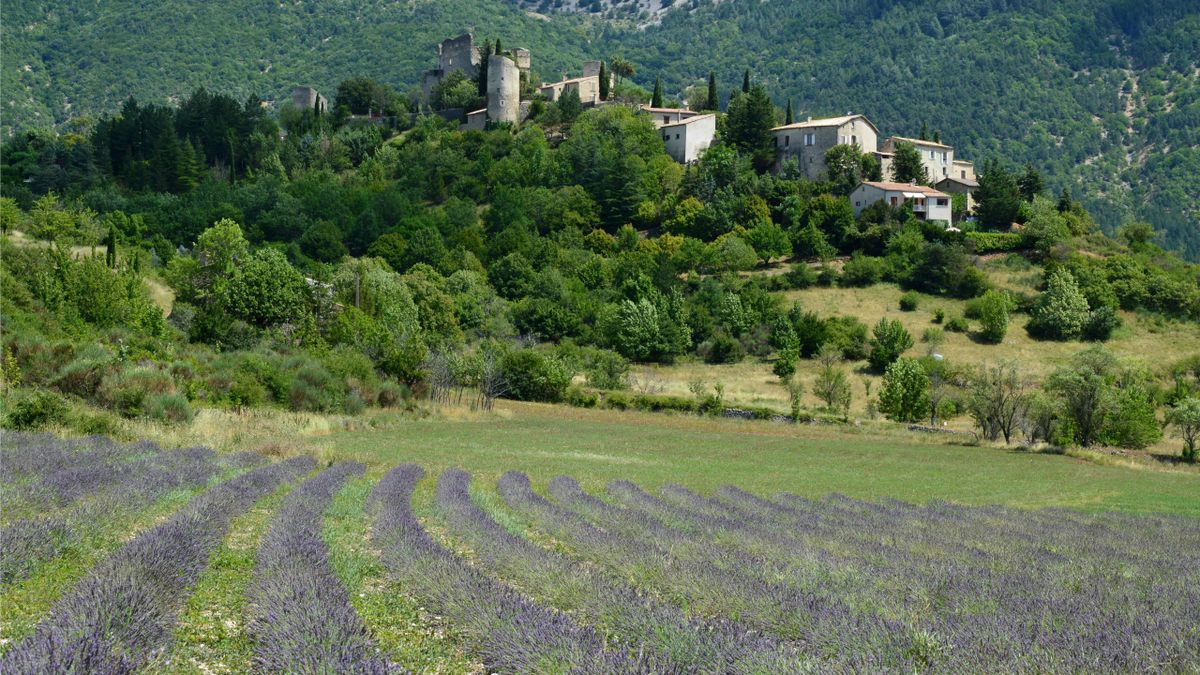
Airbnb has quietly repositioned its French marketing strategy, steering promotional attention away from the capital and toward the country's villages, farmhouses, and coastal towns. The shift comes as France's short-term rental market has grown past one million active listings, a milestone that has coincided with mounting regulatory friction in major cities, particularly Paris, where local officials continue to tighten registration rules and cap rental days.
Airbnb Embraces Rural French Culture
Rather than spotlighting apartments in the French capital, the company has attached its brand to national cultural touchstones. It is serving as a sponsor of the upcoming Tour de France cycling race, aligning itself with an event that draws television audiences across small towns and rural regions rather than dense urban centers. Alongside the sponsorship, Airbnb has launched a nostalgic campaign titled "Il était une fois en France," timed to coincide with the 90th anniversary of France's landmark paid-vacation law, a policy widely credited with giving rise to the country's modern leisure travel culture.
The messaging notably omits any imagery or references tied to Paris, instead focusing on countryside heritage, rural hospitality, and the idea of rediscovering lesser-known corners of the country. Industry observers see this as a deliberate attempt to distance the brand from ongoing political scrutiny in cities where housing advocates and local governments have blamed short-term rentals for reducing long-term housing availability and driving up rents.
By emphasizing rural and small-town stays, Airbnb appears to be courting a segment of the market that faces far less regulatory pressure than urban centers. Villages and countryside regions in France generally have fewer restrictions on short-term letting, and local economies there often welcome the tourism revenue that platforms bring, in contrast to the pushback seen in Paris and other major metropolitan areas.
Rural Hosts Gain Platform Support
For short-term rental operators, the shift signals where platform-driven demand may increasingly concentrate. Hosts in rural and secondary markets could see a marketing tailwind as Airbnb funnels brand visibility toward regions it now treats as lower-risk and higher-growth. Meanwhile, operators still active in tightly regulated cities may need to diversify their booking channels and marketing efforts rather than depend heavily on Airbnb's algorithmic exposure, since the company's own promotional emphasis is visibly moving elsewhere.
Channel Managers Simplify Multi-Platform Bookings
That diversification often includes strengthening presence across multiple booking platforms simultaneously, an approach made more manageable through tools such as a vacation rental channel manager, which allows hosts to synchronize calendars, pricing, and availability across Airbnb, Booking.com, Vrbo, and their own direct booking websites without manual double entry.
The broader implication is that Airbnb's French rebrand is not merely a nostalgia-driven advertising exercise but a strategic repositioning in response to regulatory reality. As France's largest cities continue to refine their short-term rental frameworks, the company's marketing dollars are increasingly following the path of least resistance, toward the countryside, the coastline, and the cultural mythology of the French vacation itself.
Primary source: Airbnb Newsroom announcement of its Tour de France partnership.
Newsletter