Airbnb's New AI Filter Reshapes What Guests See First

Airbnb has spent the past two years quietly rebuilding the mechanics behind how listings surface in search and how guest enquiries get answered, and by summer 2026 that work has settled into what amounts to a standing AI filter sitting between a host's listing and the guest scrolling past it. The platform has not published a technical breakdown of how the filter weighs photos, response speed, pricing and past reviews against each other. What is clear is that hosts are now managing two audiences at once: the guest, and whatever the algorithm decides that guest should see.
What the filter is actually doing to listings
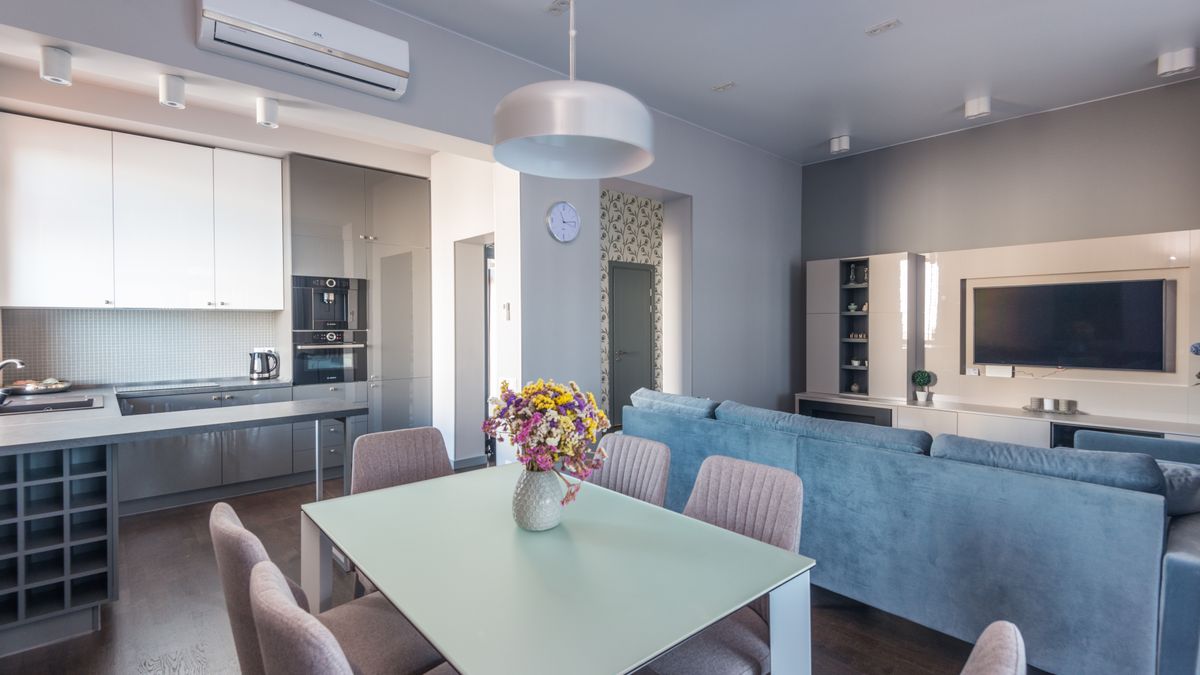
The tool sits across two jobs. First, it reads and re-ranks listing content - titles, descriptions, photo sets - and appears to favour entries that update copy and images more frequently over static ones that have not been touched in months. Second, it screens incoming guest messages, drafting suggested replies and, in some cases, answering routine questions about check-in times or parking before a host logs in. Airbnb has described this as an assistance layer rather than a replacement for host judgement, but it has not said how often its drafted answers are edited, ignored or sent as-is.
None of this is independently verified. It is Airbnb's own account of a system it built and controls, and the company has an obvious interest in framing it as a convenience rather than a gatekeeper. Hosts who have noticed swings in search position with no change to price or availability have little way to confirm whether the filter, seasonal demand, or something else entirely moved them.
What it concretely changes for operators
For a single-property host, the practical shift is smaller than the framing suggests: check the AI-drafted replies before they go out, and keep photos and descriptions current rather than treating a listing as a one-time setup task. For a manager running a portfolio across Airbnb, Vrbo and a direct booking site, the stakes are higher, because an automated reply generated inside Airbnb's inbox does not automatically match tone, pricing or house rules set elsewhere. Portfolios of any size are harder to keep consistent when one channel is quietly rewriting guest-facing copy on its own schedule, which is exactly the kind of drift that a channel manager is built to catch before it turns into a mismatched booking or a guest complaint.
There is also a liability question hosts should not skip past. If an AI-drafted message states something inaccurate - a cancellation policy, a check-in window, an amenity that does not exist - the host, not Airbnb, is the one a guest will hold to it. Reviewing automated replies before sending, rather than assuming the platform got it right, remains the host's job.
Airbnb has not said whether the filter's criteria will be published, adjusted seasonally, or left as-is through 2026. Until it does, the safest working assumption for hosts is the same one that applied before any of this existed: a listing that is accurate, current and quickly answered tends to do better than one that is not, algorithm or no algorithm.
Newsletter